Dangerous Game, Hunted Close With A Professional Hunter.
Dangerous game, so it pays to know exactly what you are walking into.
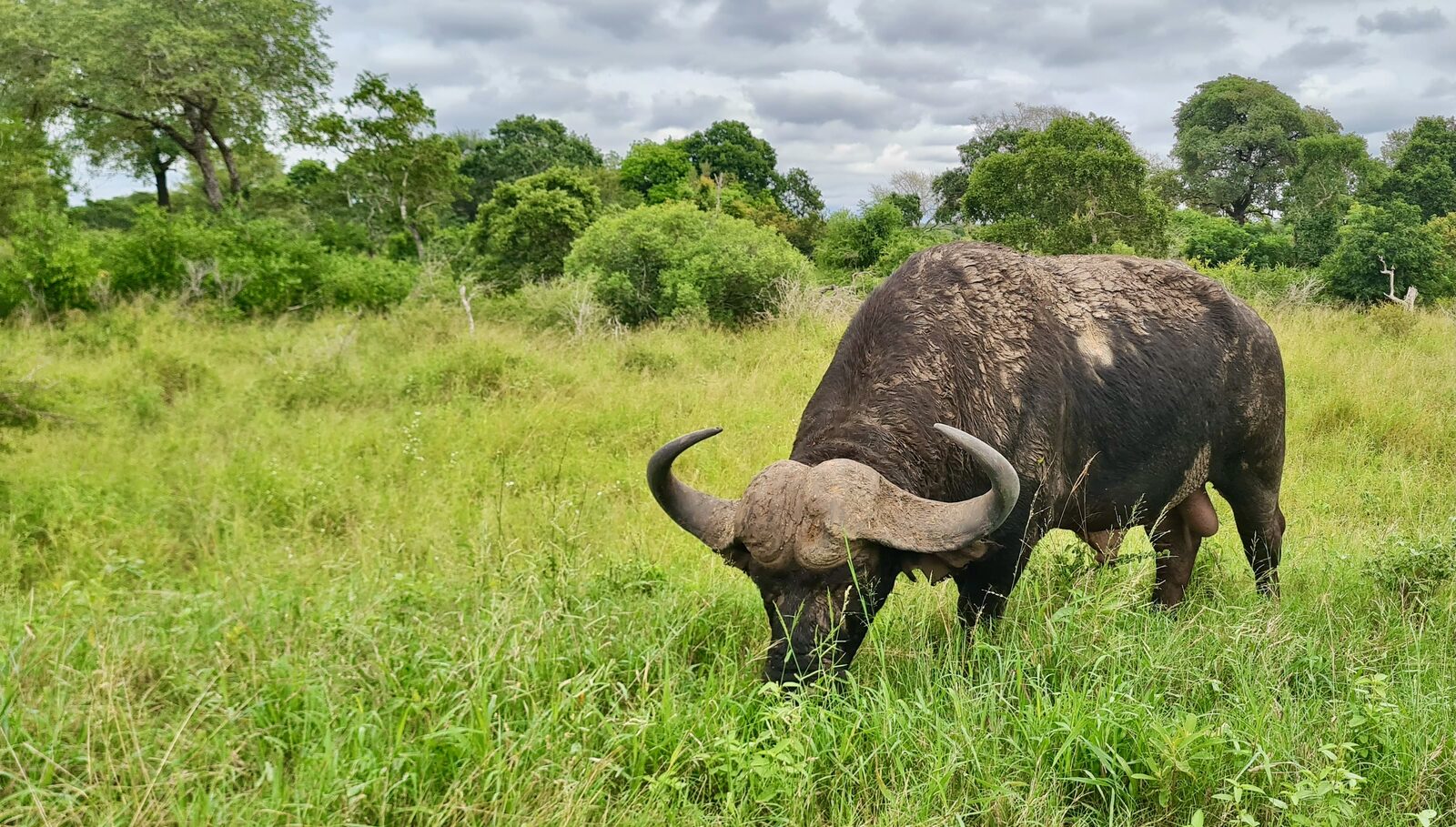
Buffalo are hunted in the wilds of Southern Zimbabwe and in South Africa’s denser bushveld — thick cover where the animal often sees you first.
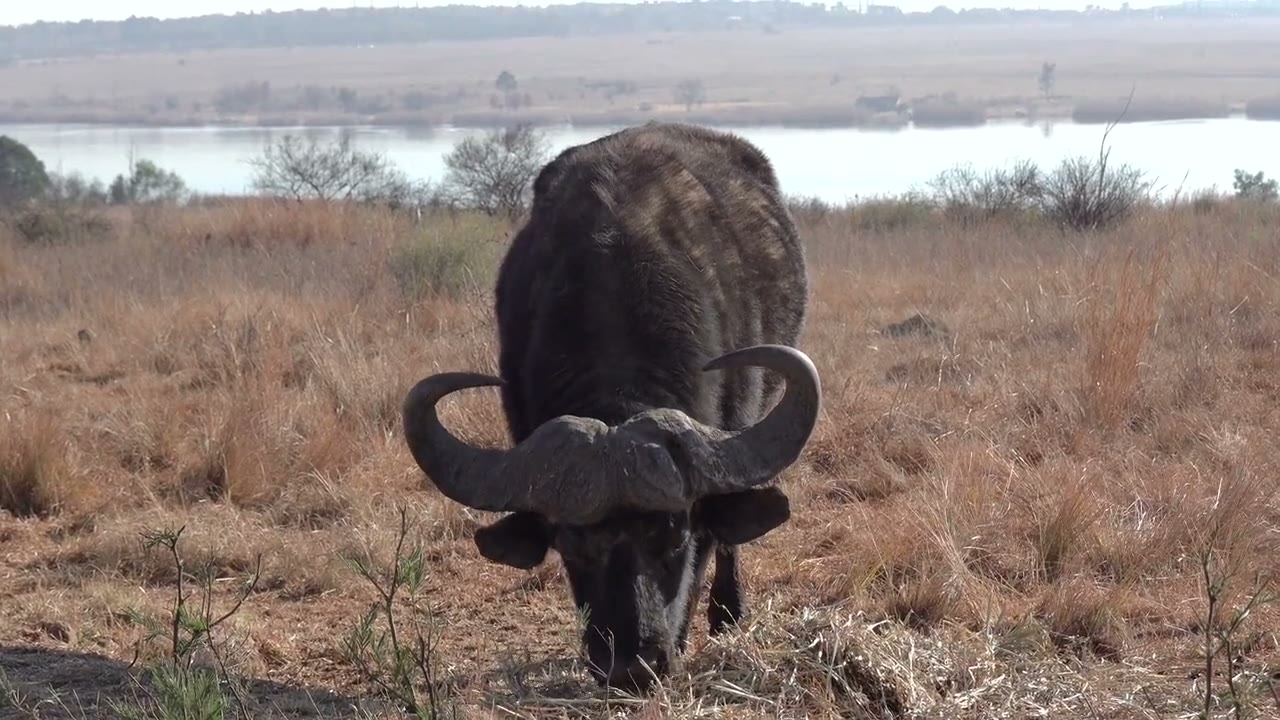
A wounded buffalo is one of the most dangerous animals in Africa to follow up. That is why an experienced professional hunter stays with you at every step.
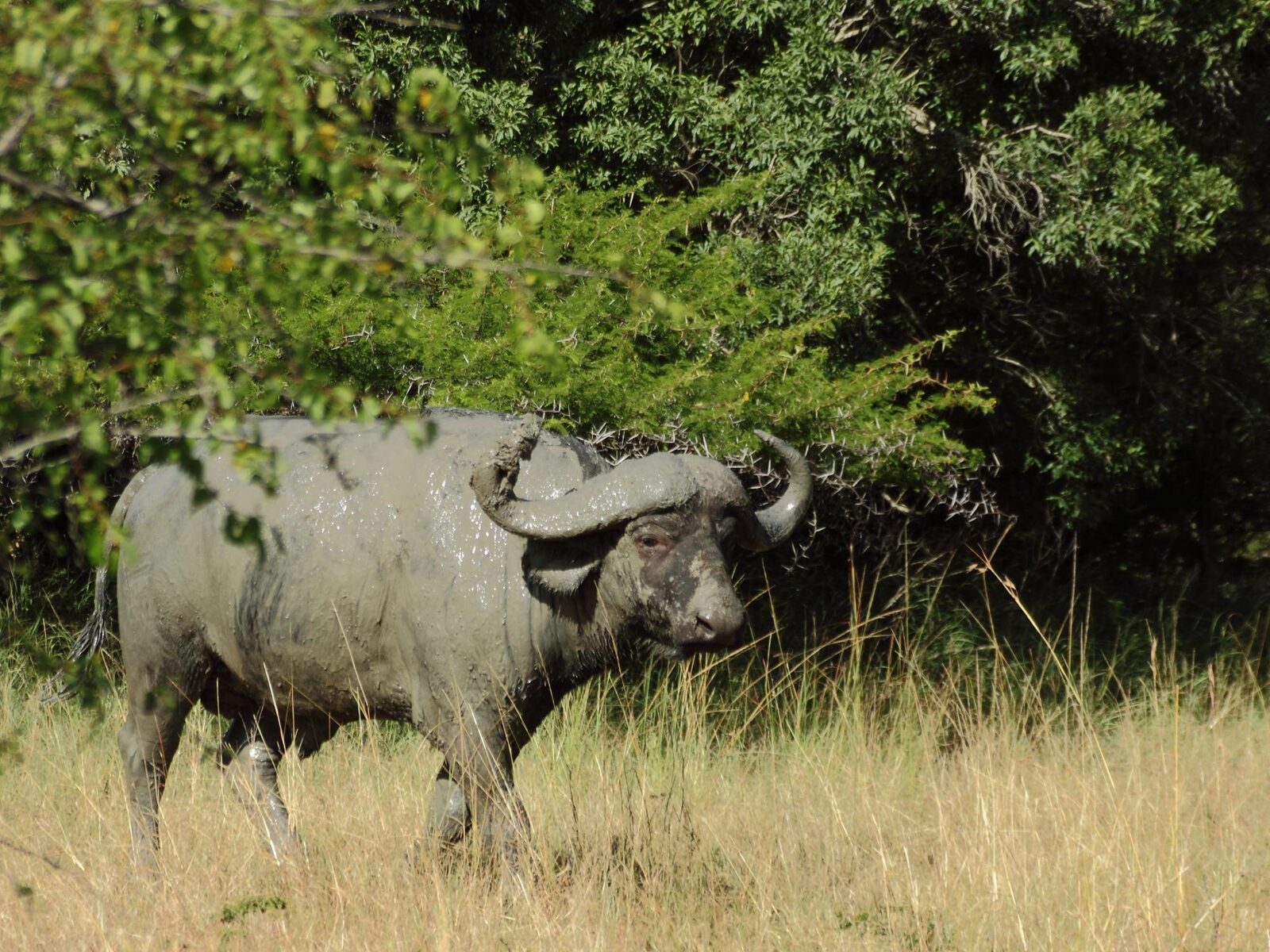
A mature bull’s horns fuse across the forehead into a bony boss and can span up to 100cm. Bulls weigh roughly 425 to 870kg.
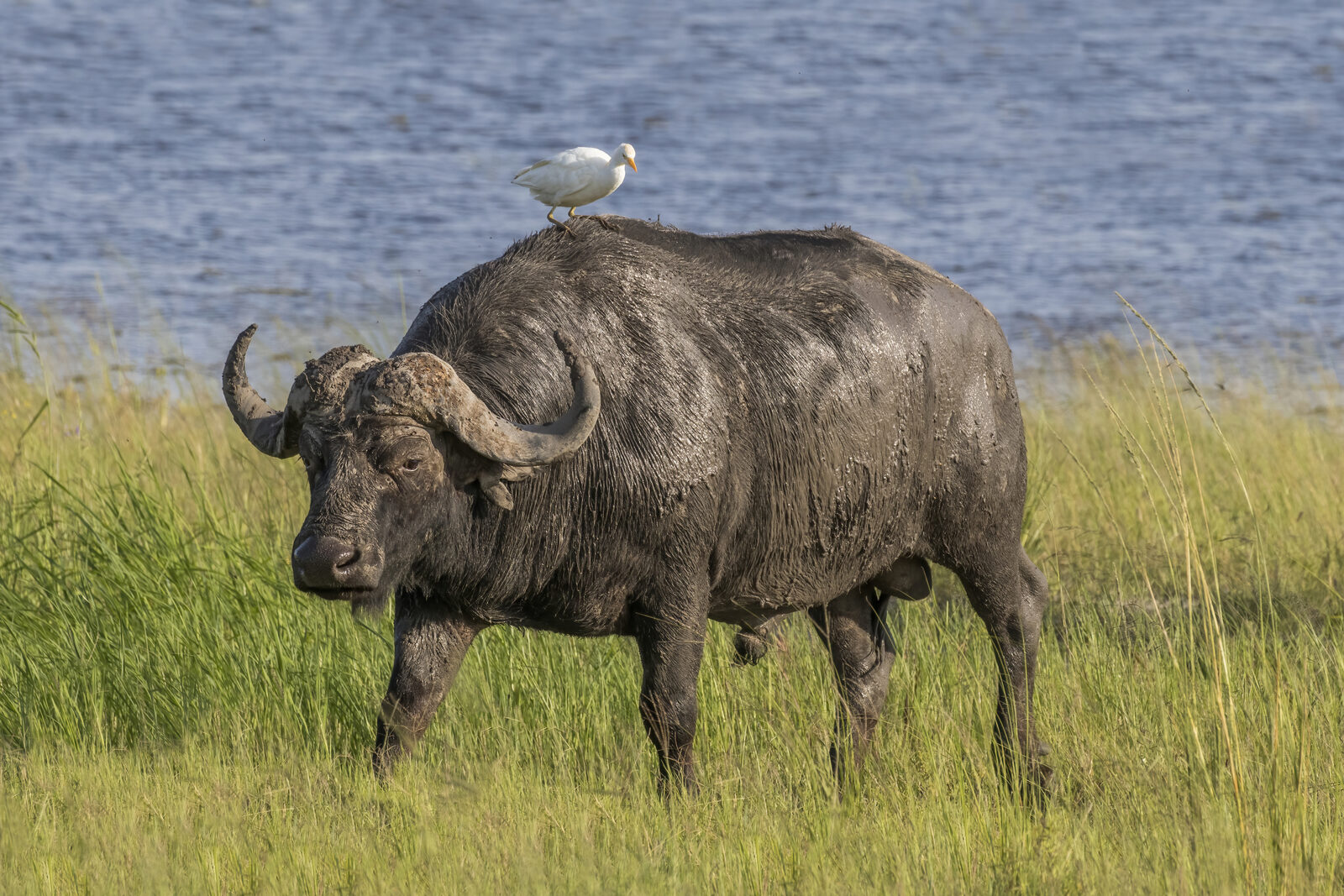
Oxpeckers and egrets ride with the herd and lift the moment something is wrong. Old bulls often leave the herd and stay near mud wallows.
Fly into Johannesburg or Cape Town and connect on to Gqeberha, East London, George or Polokwane. Seasons, what to pack and how the hunting season runs from mid-February to mid-July.
SA Airlink flies Johannesburg to Nosy Be direct, early on Tuesday mornings. Never book via Antananarivo on the mainland.
Nosy Be Flight RoutesThe Cape buffalo is one of Africa’s most dangerous animals, and a benchmark hunt for anyone chasing the Big Five.
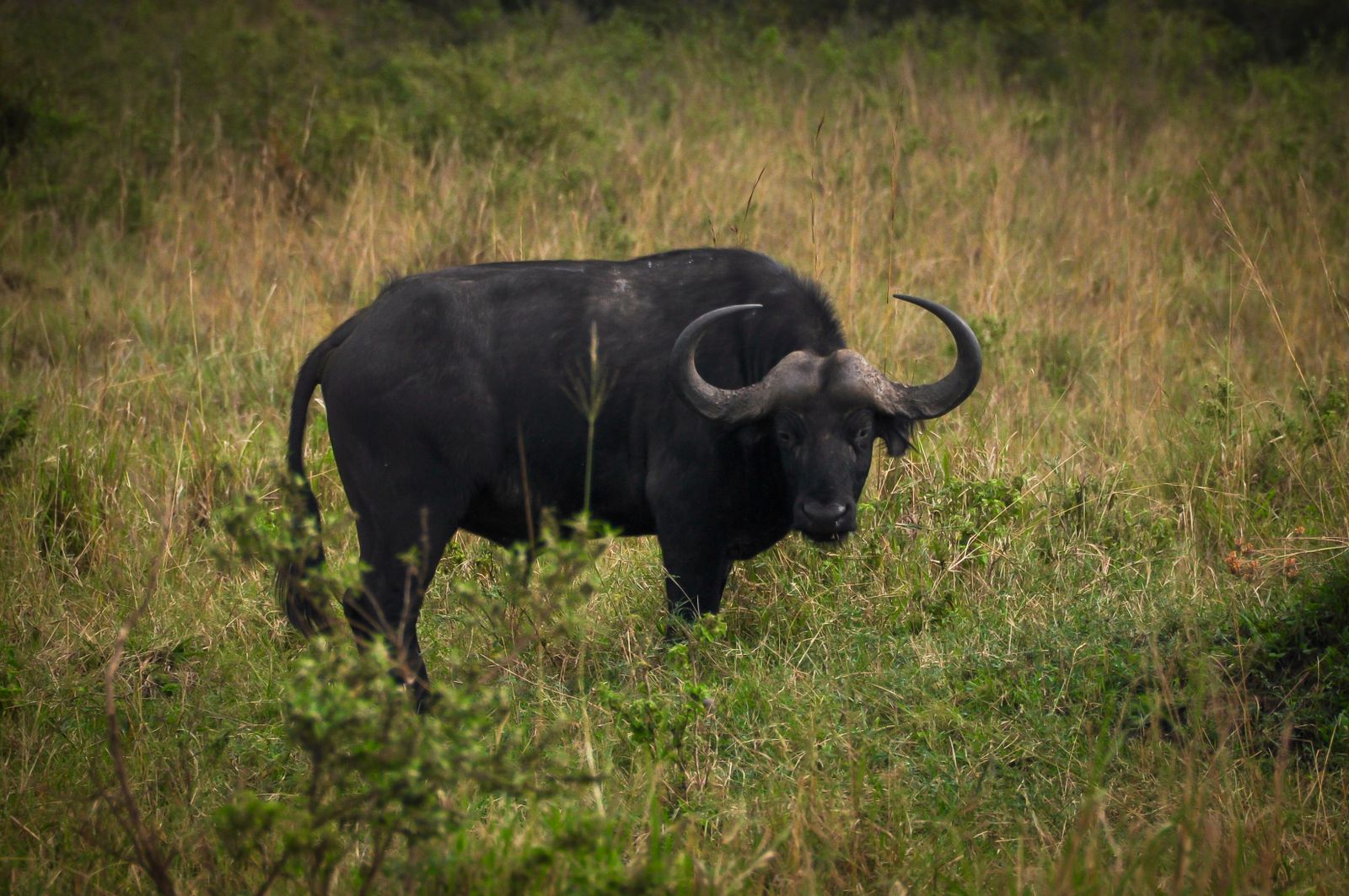
Bulls stand 130 to 150cm at the shoulder and weigh anywhere from 425 to 870kg, with horns that fuse at the base into a thick bony “boss” across the forehead — a formidable weapon against predators and rival bulls, and the mark of a mature trophy. Their coat is thin and black, growing sparser with age.
Buffalo live in herds of 50 to 500 animals and use vocal calls to coordinate movement and warn of danger, cooperatively mobbing predators including lions when threatened. A wounded buffalo is considered one of the most dangerous animals in Africa to follow up, capable of charging at speeds up to 50km/h — which is exactly why this is one of the most respected hunts on the continent.
Three pages on the Big Five member that commands the most respect in the field — the animal, its country, and how it is hunted.
 1
Bulls stand 130 to 150cm and weigh up to 870kg, with horns fusing into a thick bony boss across the forehead — the mark of a mature animal.
Herds run from 50 to 500, using vocal calls to coordinate movement and mob predators. A wounded buffalo is considered one of the most dangerous animals in Africa to follow up, which is exactly why it is one of the most respected hunts on the continent.
2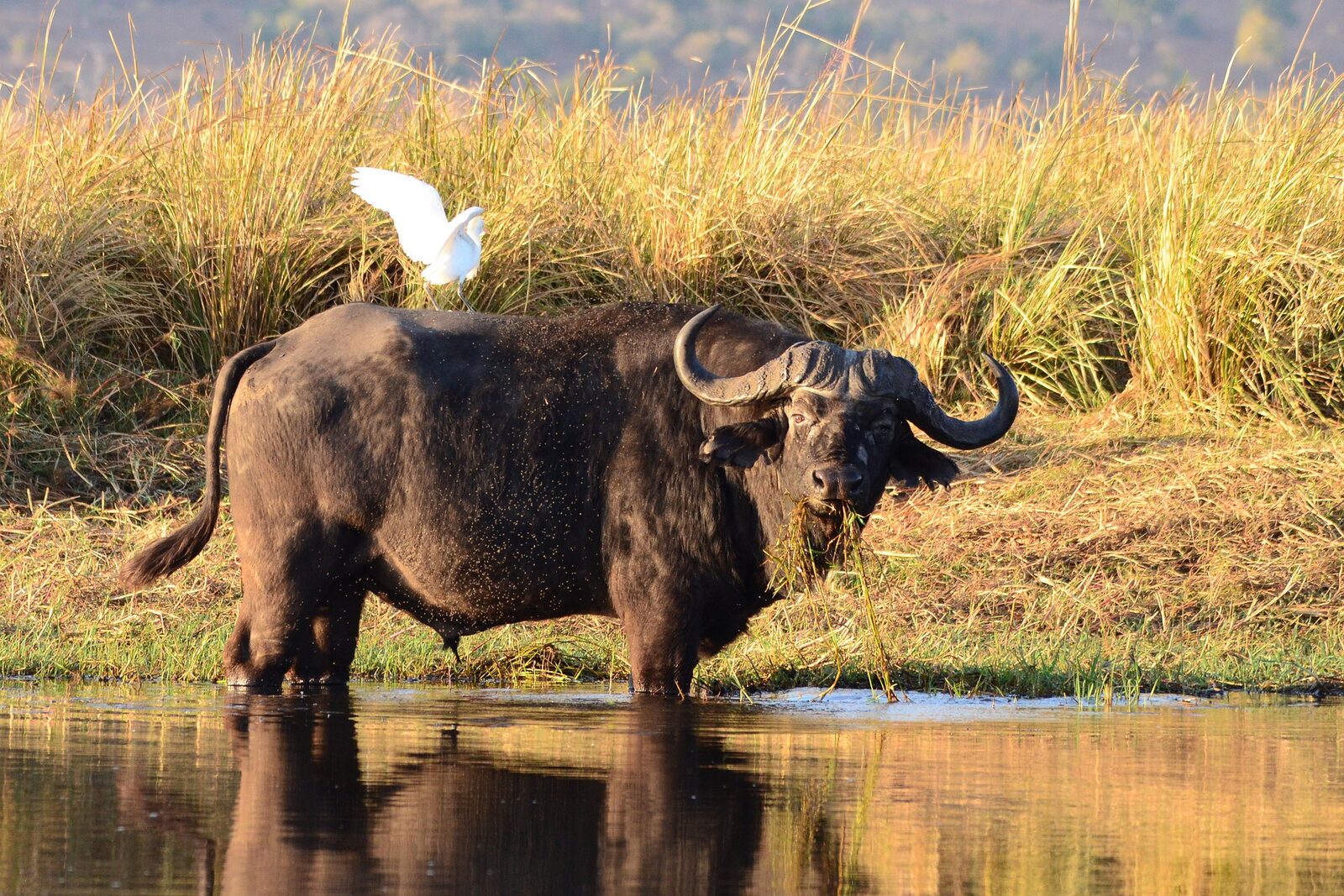 3
Buffalo are bulk grazers, working through the coarse, tall grass that most antelope leave alone, and they need to drink every day. Herds rarely settle more than a few kilometres from permanent water.
In South Africa that means the Lowveld and the KwaZulu-Natal reserves, with the herd moving between grazing and water on a rhythm you can almost set a watch by. Find the water and you have found their day.
4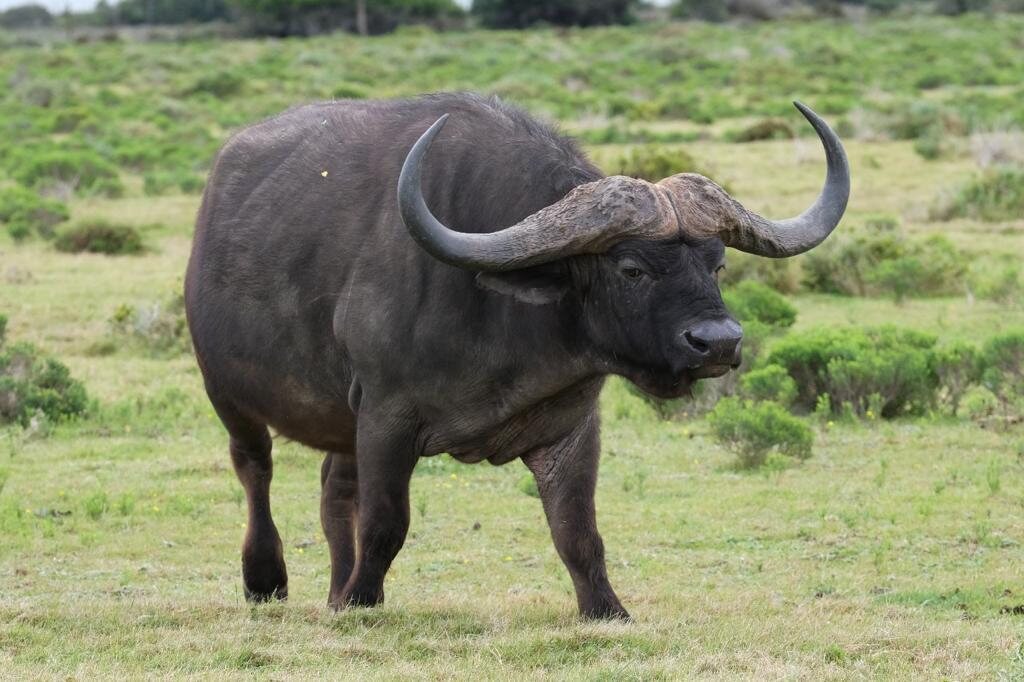 5
A buffalo sees poorly but hears and smells exceptionally well, and that single fact shapes the whole approach: the wind matters far more than how well you are hidden.
Old bulls drop out of the breeding herds and live alone or in small bachelor groups near mud wallows. Oxpeckers and egrets ride the herd and lift the instant something is wrong — they will give you away long before the buffalo do.
6
This is a hunt for guests who want the full weight of dangerous game hunting — close-range tracking through thick bush, a herd that may turn to face you, and a follow-up that demands total focus. We hunt Cape buffalo in the wilds of Zimbabwe and South Africa’s denser bushveld, working as a team with an experienced Professional Hunter at every step.
Cape buffalo is dangerous game, and it is hunted that way: an experienced professional hunter guides you closely at every step, from the first spoor to the shot.
A wounded buffalo is considered one of the most dangerous animals in Africa to follow up, which is exactly why it earns its place in the Big Five. Stalks are slow, close and deliberate, and nothing is rushed to fit a timetable.
We hunt buffalo in the wilds of Zimbabwe and in the denser bushveld of South Africa. A mature bull carries a fused bony boss across the forehead, with horns spanning up to 100cm — and buffalo usually deserve more than a week.
Hire a suitable rifle rather than travelling with your own if you prefer; bush accommodation and trophy export are handled for you.
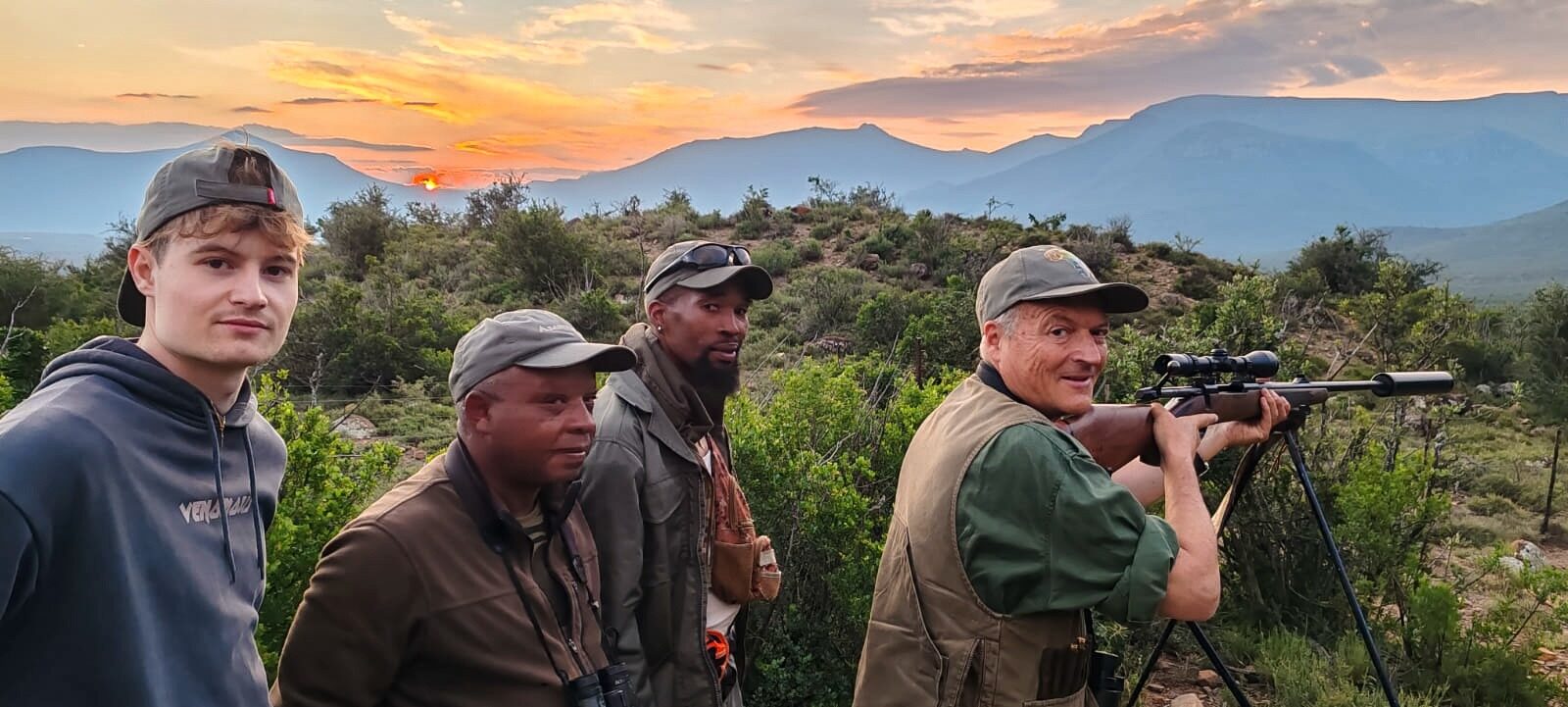
Close work on foot. Not an animal that forgives a careless approach.
Yes — a wounded buffalo is considered one of the most dangerous animals in Africa to follow up, which is why it is respected as one of the Big Five.
In the wilds of Zimbabwe and South Africa's denser bushveld regions.
Mature bulls develop a fused bony "boss" across the forehead, with horns spanning up to 100cm across.
Yes — an experienced Professional Hunter guides every dangerous game hunt closely, at every step.
Yes. Rifle hire is available for guests who need it, as part of your personalised safari package.
Within the South African hunting season, which runs from mid-February to mid-July.
Tell us roughly when you can travel and who is coming, and we will tell you honestly whether a Cape Buffalo hunt fits the days you have.
Rough dates and who is coming is enough to start. No lengthy booking form, no card details.
If the days you have will not cover it, we say so up front and adjust rather than take the booking and disappoint you.
Nothing sold off a shelf. Priced against your dates, group and interests — in USD, Euro or ZAR.
Land-based four to sixteen, live-aboard six to eight, big-game fishing four to five. Never a crowd.
Ask On WhatsApp Request A Quote
We respect your privacy under South Africa’s POPIA. This site does not use advertising cookies. With your permission we use Google Analytics to see which pages are useful; otherwise it uses only what it needs to work and stay secure, plus a few trusted services (Google Fonts, Cloudflare security, and on our Contact page the tools that check phone numbers and dates). Choose what you are happy with — you can change it any time under “Privacy settings” at the foot of every page. Read our Privacy Notice.
Keeps the site working and secure (Cloudflare) and remembers this privacy choice. These cannot be switched off.
Google Analytics shows us which pages are useful and how visitors find us. It sets cookies (_ga) and only runs if you allow this.
Would allow advertising or social-media tracking. We do not use any at present; if we ever do, they only run if you allow this.