
Sight-Casting To Giant Trevally On The Flats.
A technical, visual way to fish — worth knowing what you are signing up for.
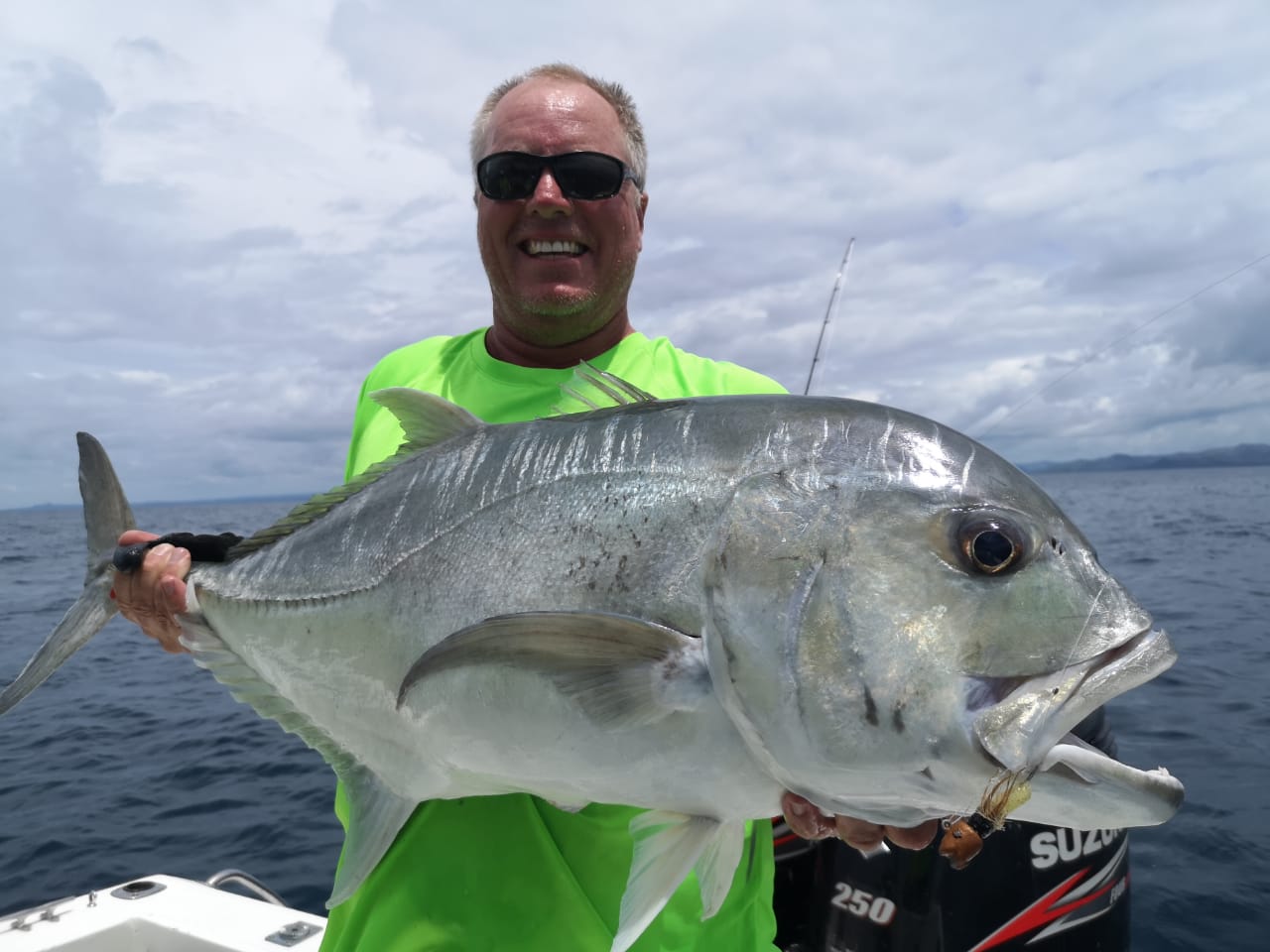
Fly fishing on Nosy Be means sight-casting on the flats to Giant Trevally and bonefish — both quick to spook in shallow water.
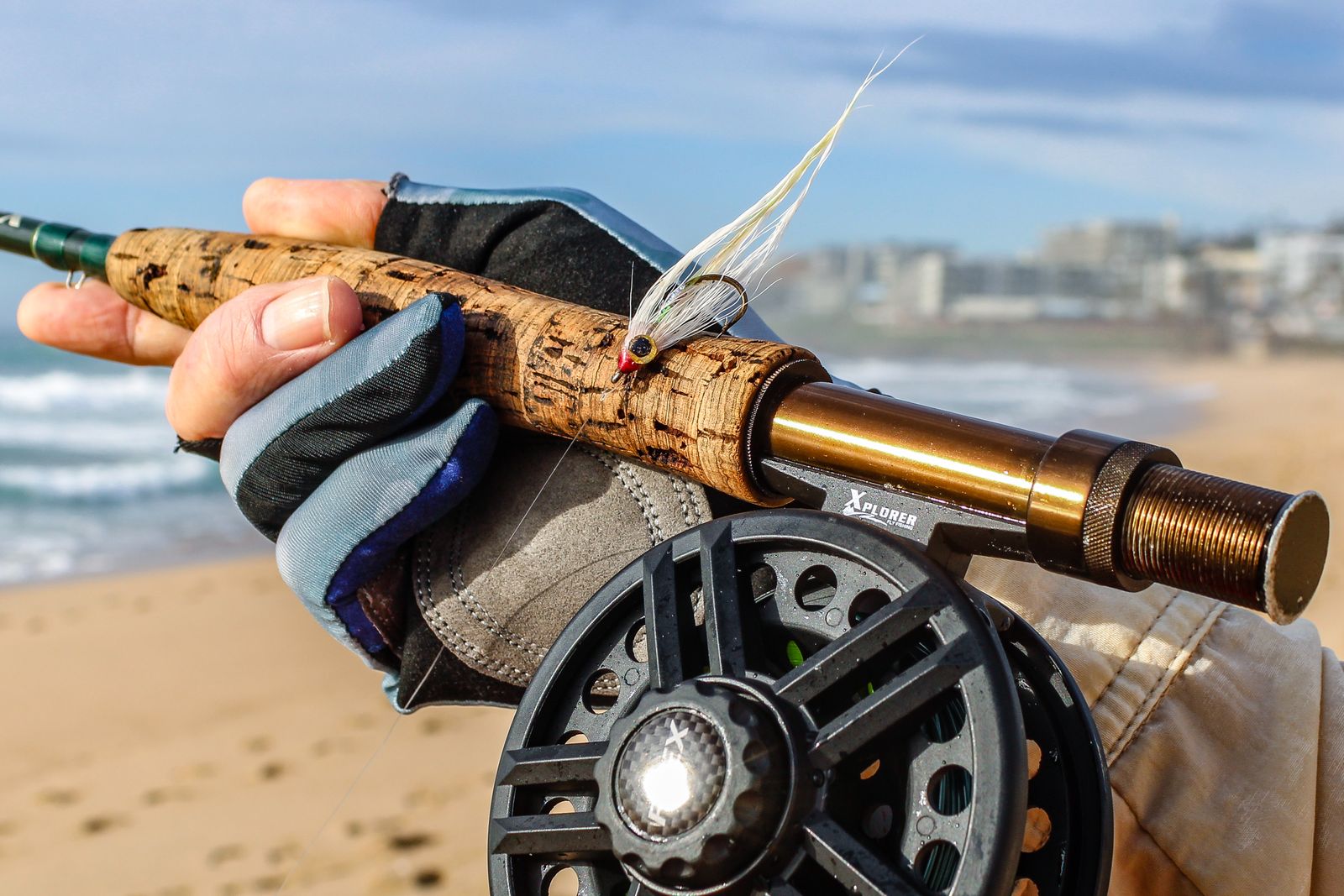
An 8-weight outfit or heavier is the usual minimum — considerably heavier than typical freshwater gear. Please bring your own fly rods and flies.
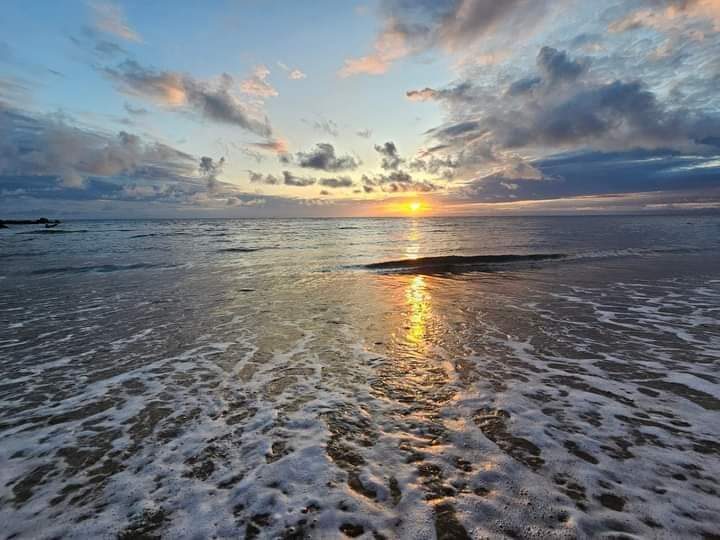
Casts are usually 40 to 80 feet, placed before the fish sees you. Clear, shallow water and calm wind give you the best chance of spotting fish first.
Saltwater fly fishing is a hunt as much as a cast — anglers spot a fish before placing a long, accurate cast ahead of it.
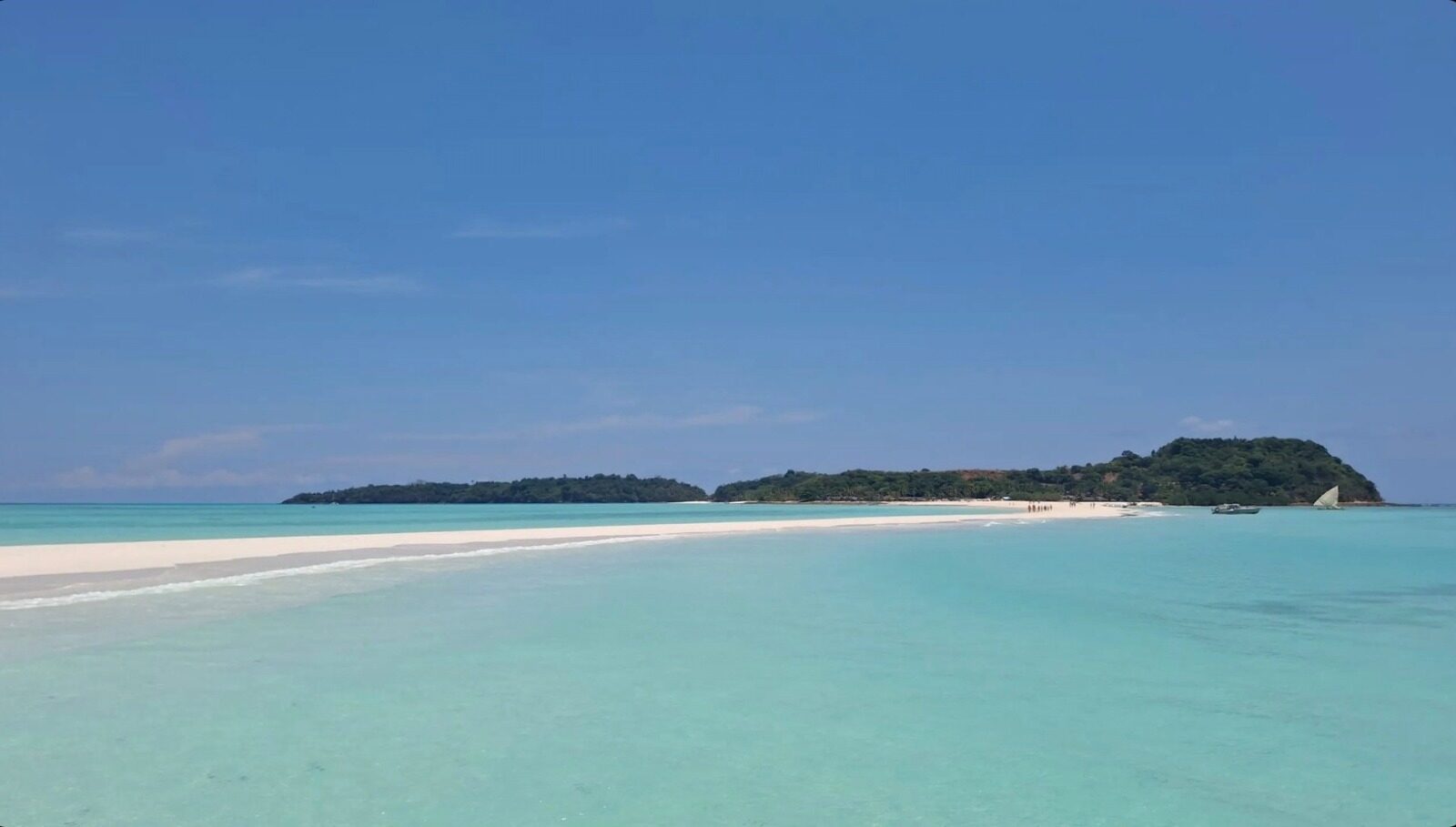
Such as a cruising Giant Trevally or a tailing bonefish, before placing a cast well ahead of it. Because these fish spook easily in shallow water, a cast of 40 to 80 feet is often needed just to get within range without being seen. Once the fly lands, it is worked back in short, sharp strips of the line, mimicking a panicking baitfish or shrimp fleeing across the flat.
Saltwater fly tackle is considerably heavier than freshwater gear to handle powerful fish, wind and tide, and a strike is set by strip-striking with the line hand rather than lifting the rod. Your guide reads the water for you — tide movement, bait activity and structure — and positions the boat so you get the shot rather than spending the day blind-casting.
Two pages on the most technical way to fish the flats of Nosy Be.
 1
Anglers spot the fish first — a cruising Giant Trevally or a tailing bonefish — then place a cast well ahead of it.
These fish spook easily in shallow water, so 40 to 80 feet is often needed just to get within range unseen.
2 3
Saltwater fly tackle is far heavier than freshwater gear, built for powerful fish, wind and tide; an 8-weight is the usual minimum.
The fly is worked back in short sharp strips, and the strike is set by strip-striking with the line hand rather than lifting the rod.
4
This is a technical, hands-on style of fishing suited to anglers who enjoy the challenge of spotting and stalking a fish before a single cast is made. Clear, shallow water and calm conditions make for the best sight-fishing, and an 8-weight outfit or heavier is the usual minimum for saltwater work.
Fly fishing here means sight-casting on the flats around Nosy Be to Giant Trevally and bonefish — technical, visual and completely absorbing.
Both species spook easily in shallow water, so casts are typically 40 to 80 feet, placed before the fish sees you. Clear, shallow water and a calm wind give you the best chance of spotting fish first.
Bring casting experience if you have it: saltwater fly is demanding, and an 8-weight outfit is the usual minimum, considerably heavier than most freshwater gear.
Bring your own fly rods and flies, and we recommend no more than two fly fishermen per boat. We cater for anglers from novices through to experienced fly fishermen. Plan it as part of a Nosy Be fishing holiday, land-based or live-aboard.
Send us your dates and group size. We will tell you what is running then, and whether Fly Fishing is the right call for that week.
Rough dates and who is coming is enough to start. No lengthy booking form, no card details.
If the days you have will not cover it, we say so up front and adjust rather than take the booking and disappoint you.
Nothing sold off a shelf. Priced against your dates, group and interests — in USD, Euro or ZAR.
Ask On WhatsApp Request A Quote
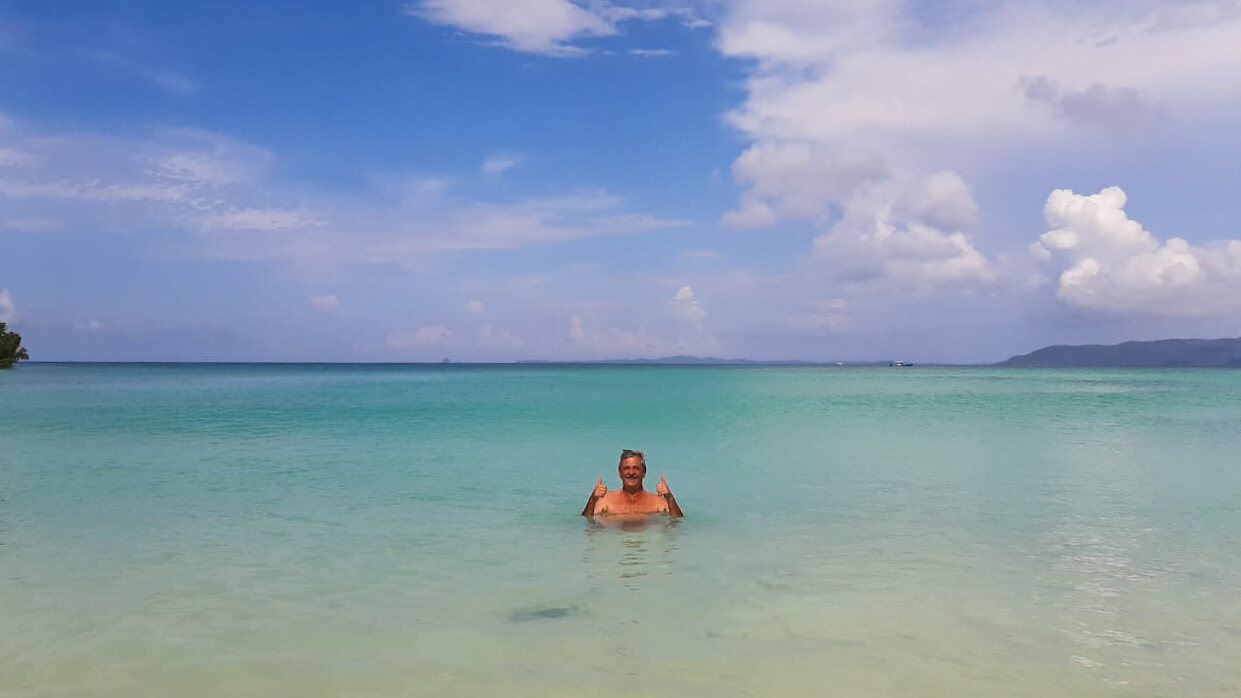
Warm, clear water around Nosy Be.
Giant Trevally and bonefish, sight-cast to on the flats around Nosy Be.
An 8-weight outfit or heavier is the usual minimum, considerably heavier than typical freshwater gear.
Saltwater fly fishing is technical, so prior casting experience helps — this technique suits anglers who already enjoy the challenge of sight-fishing.
Usually 40 to 80 feet, since Giant Trevally and bonefish spook easily in shallow water and need to be reached before they see you.
Clear, shallow water with calm wind gives you the best chance of spotting fish before casting to them.
Please bring your own fly rods and flies; we recommend no more than two fly fishermen per boat, and we cater for anglers from novices through to experienced fly fishermen.
Come and discover the wild beauty, culture, adventure and hospitality of Africa — and create stories you will tell for years to come.
Start Planning“Live life to the fullest; tomorrow may never come.”
We respect your privacy under South Africa’s POPIA. This site does not use advertising cookies. With your permission we use Google Analytics to see which pages are useful; otherwise it uses only what it needs to work and stay secure, plus a few trusted services (Google Fonts, Cloudflare security, and on our Contact page the tools that check phone numbers and dates). Choose what you are happy with — you can change it any time under “Privacy settings” at the foot of every page. Read our Privacy Notice.
Keeps the site working and secure (Cloudflare) and remembers this privacy choice. These cannot be switched off.
Google Analytics shows us which pages are useful and how visitors find us. It sets cookies (_ga) and only runs if you allow this.
Would allow advertising or social-media tracking. We do not use any at present; if we ever do, they only run if you allow this.