
The Glossy Black Bull Of The Bushveld.
One of the most striking animals on any hunting list, and one of the more demanding to approach.
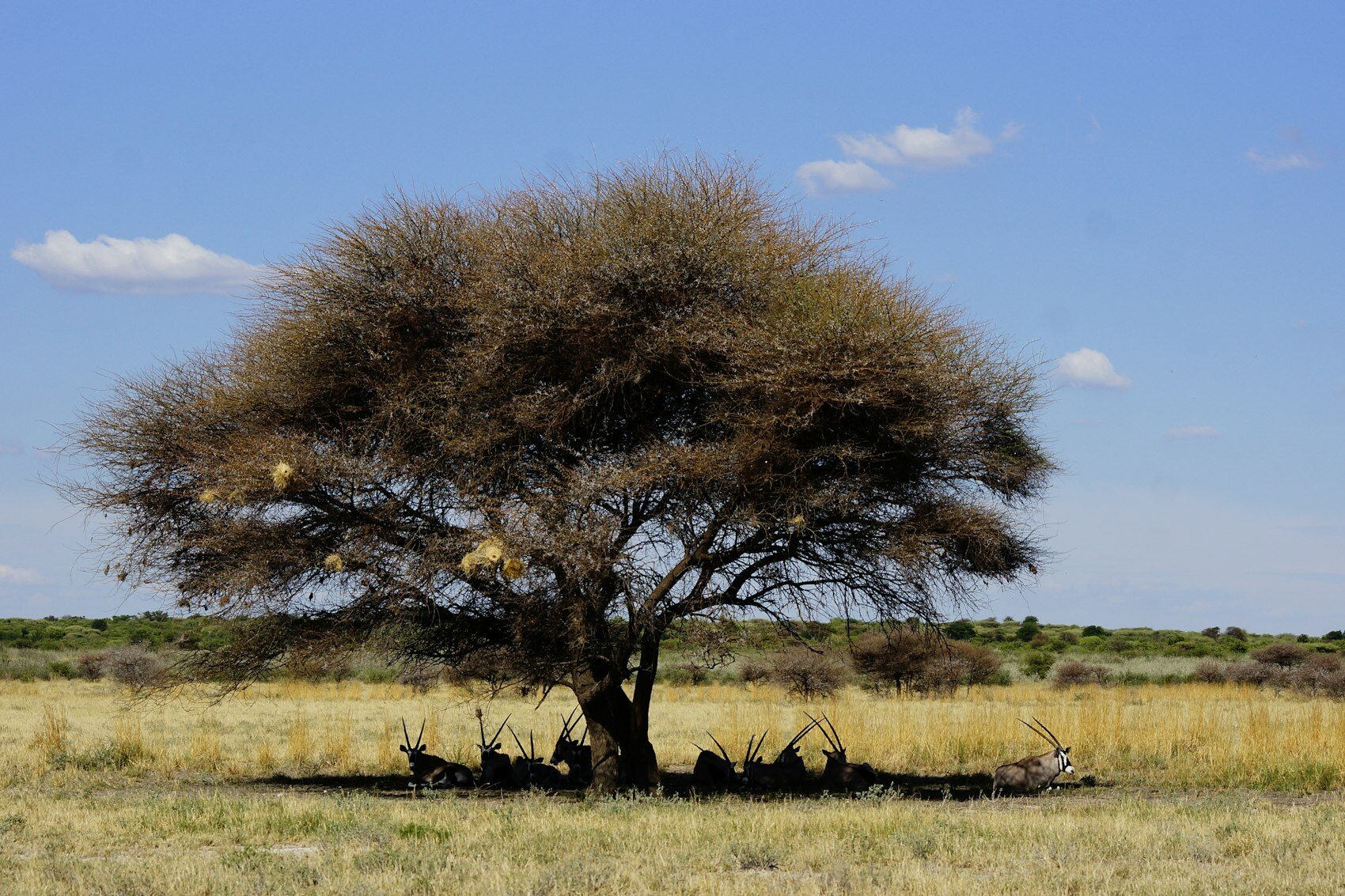
Sable are hunted across the Eastern Cape and the Limpopo bushveld, in mixed savanna woodland and grassland.
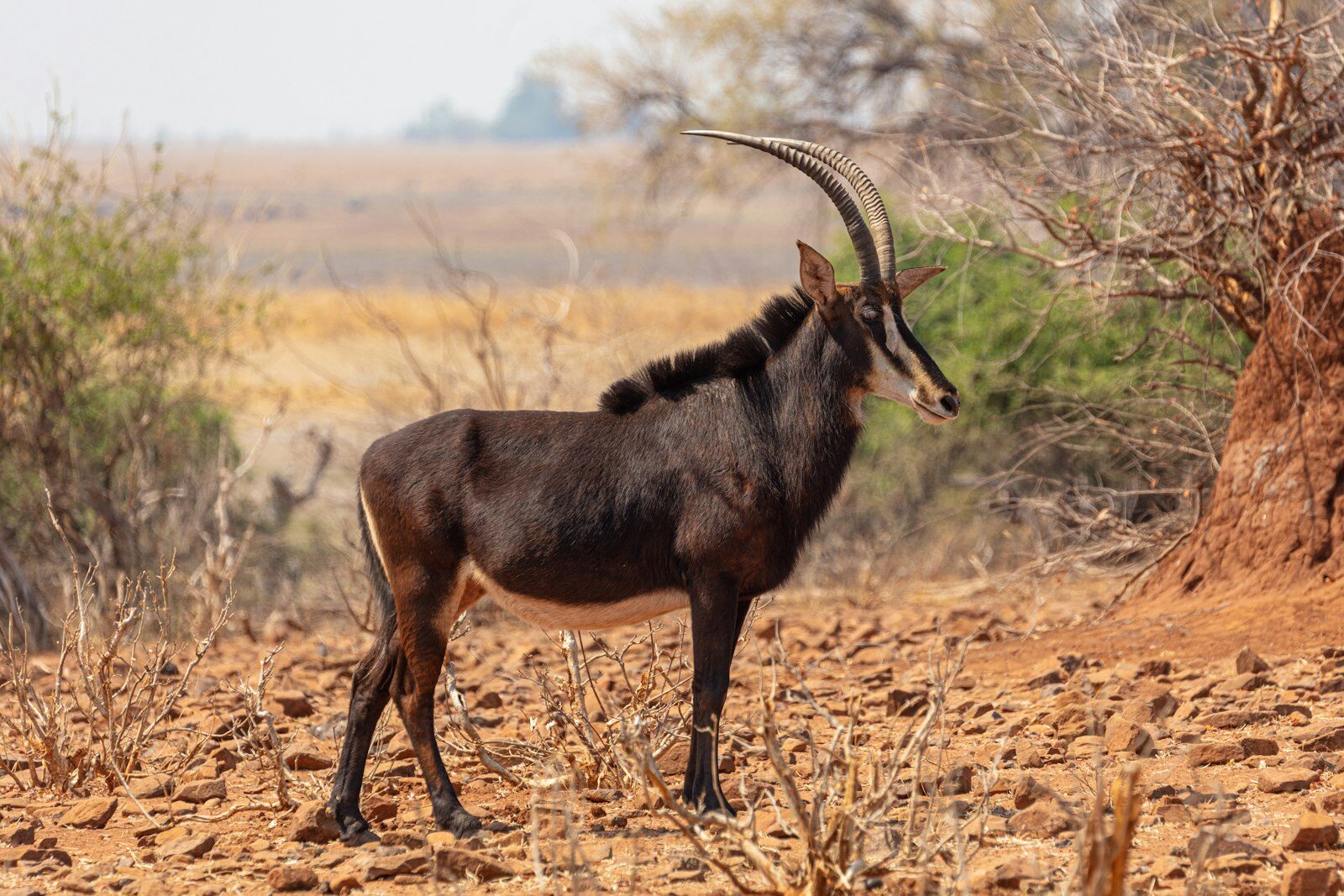
Cow herds run to roughly ten to thirty animals with a single dominant bull holding the ground they feed on. Younger bulls are pushed out into bachelor groups.
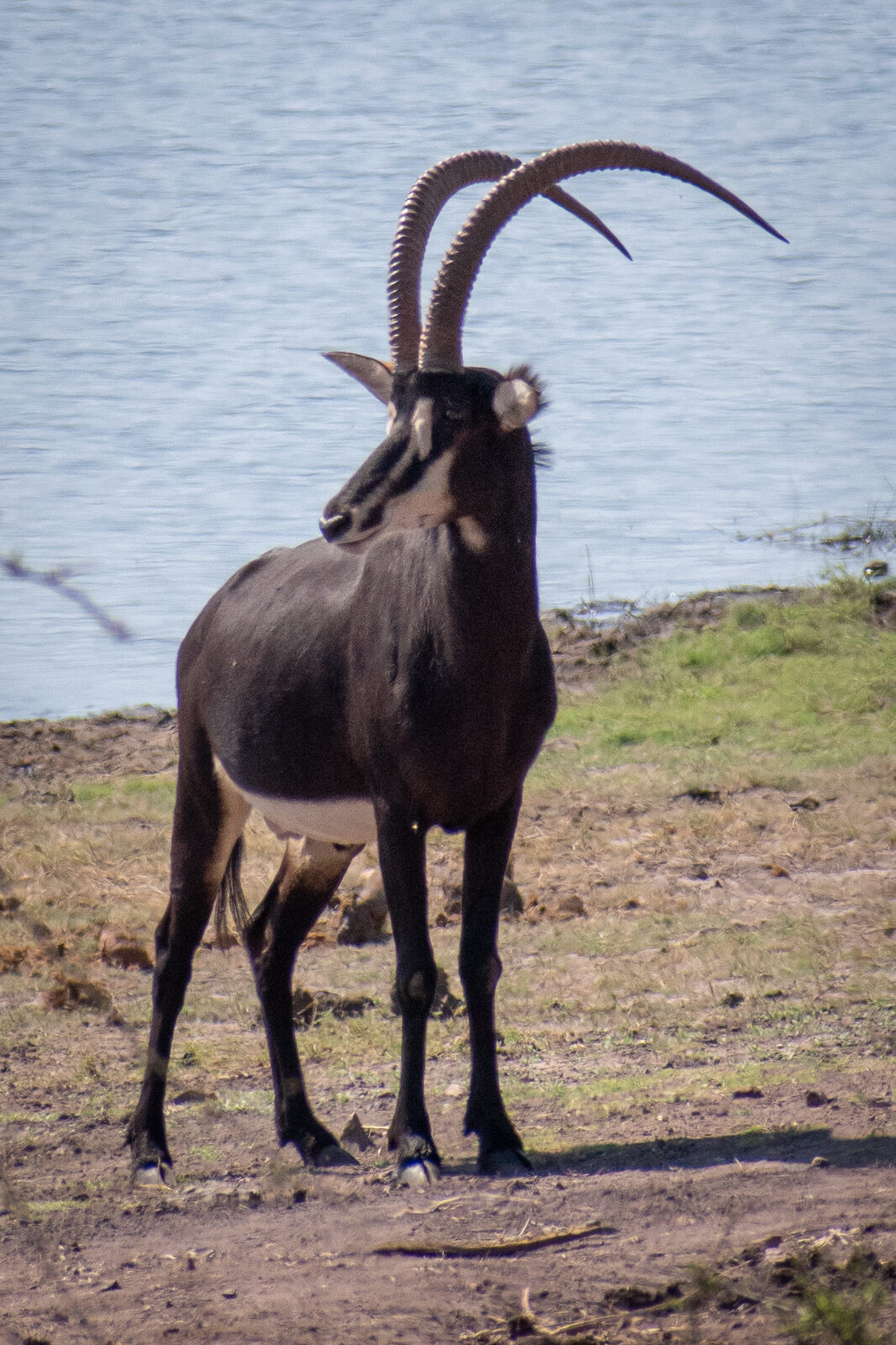
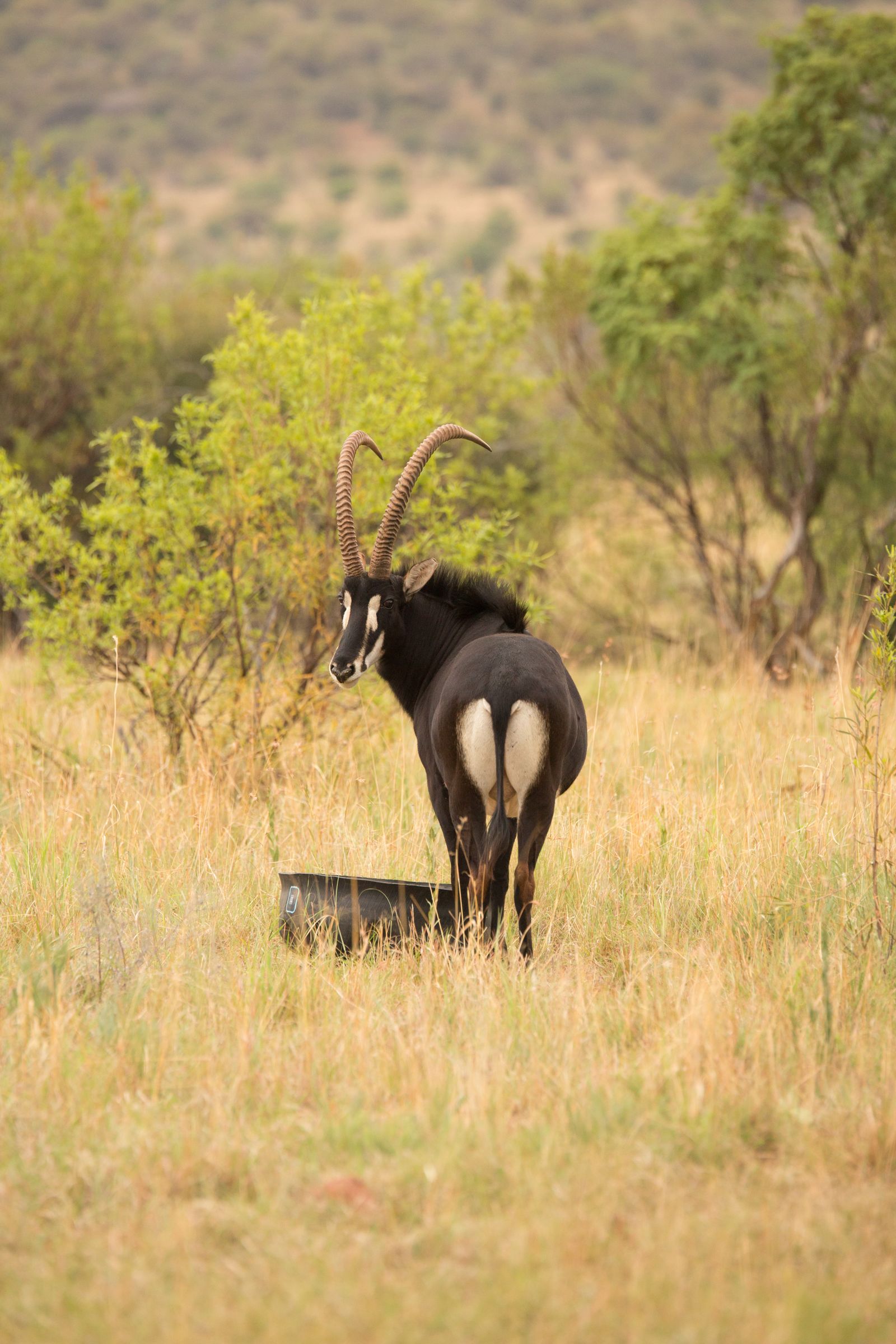
Bulls darken to glossy black after about three years, with white underparts and face markings, and horns sweeping back up to 165cm.
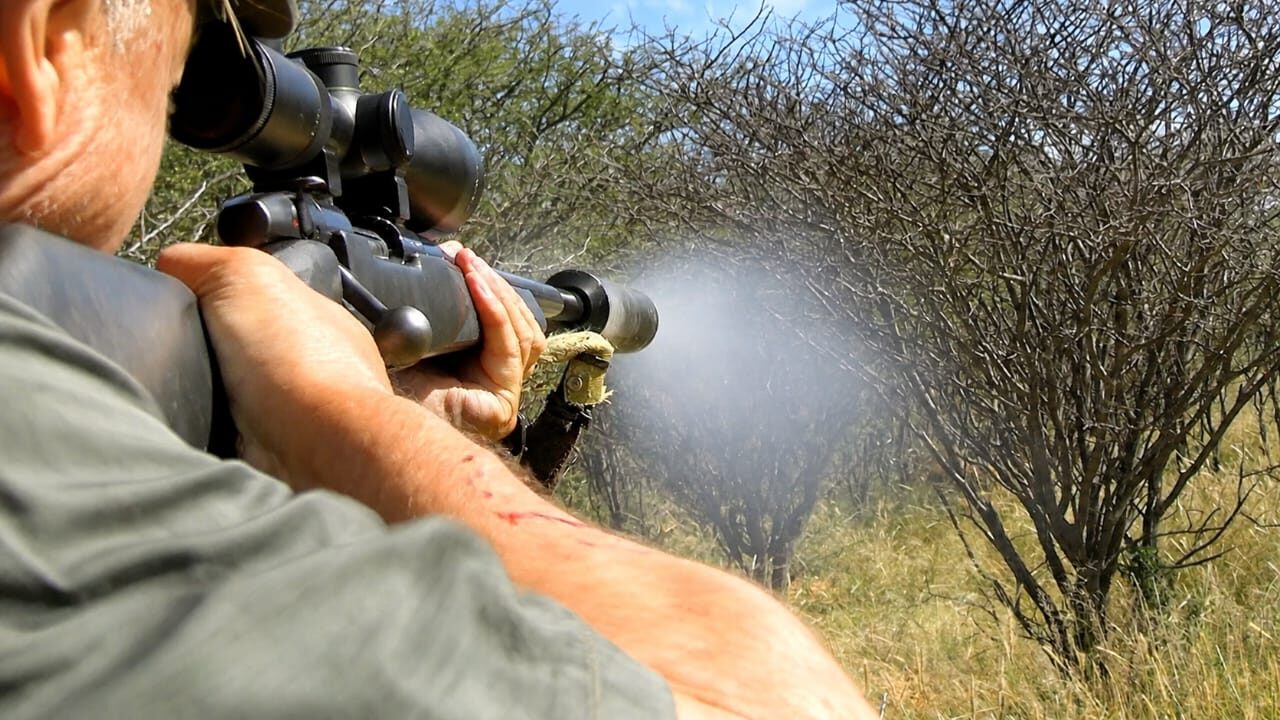
Territorial bulls stand their ground, so the challenge is a careful stalk close enough for a clean shot without alerting the cows around him.
Fly into Johannesburg or Cape Town and connect on to Gqeberha, East London, George or Polokwane. Seasons, what to pack and how the hunting season runs from mid-February to mid-July.
SA Airlink flies Johannesburg to Nosy Be direct, early on Tuesday mornings. Never book via Antananarivo on the mainland.
Nosy Be Flight RoutesThe sable antelope is widely regarded as one of Africa’s most majestic plains game trophies, prized for its glossy black coat and scimitar horns.
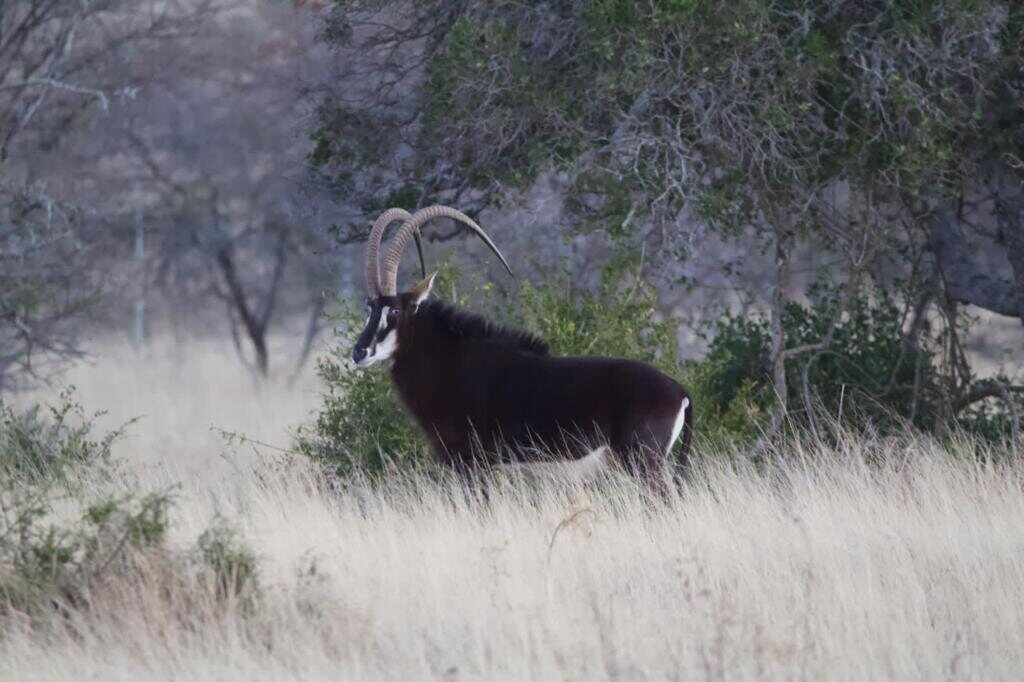
Bulls stand up to 140cm at the shoulder and carry ringed, backward-curving horns reaching 165cm along the curve — noticeably longer and more sharply curved than the female’s. Mature bulls turn glossy black with white underparts and facial markings after around three years, while cows and young stay chestnut to dark brown.
Dominant bulls hold a harem and defend a foraging territory extending 300 to 500 metres from the herd, carrying their arched neck as a constant display of dominance even at a gallop. Rival males settle disputes by dropping to their knees for horn-to-horn wrestling — a dramatic contest that rarely turns fatal.
Three pages on the flagship antelope of the South African bushveld — the bull, the ground it holds, and the herd around it.
 1
Bulls stand 117 to 140cm and weigh around 235kg, carrying massive ringed horns that sweep back in a scimitar curve up to 165cm long.
Males darken to glossy black after about three years, set against white underparts and facial markings. Dominant bulls hold a harem and their immediate foraging ground, carrying the neck arched as a display of rank — even at a gallop.
2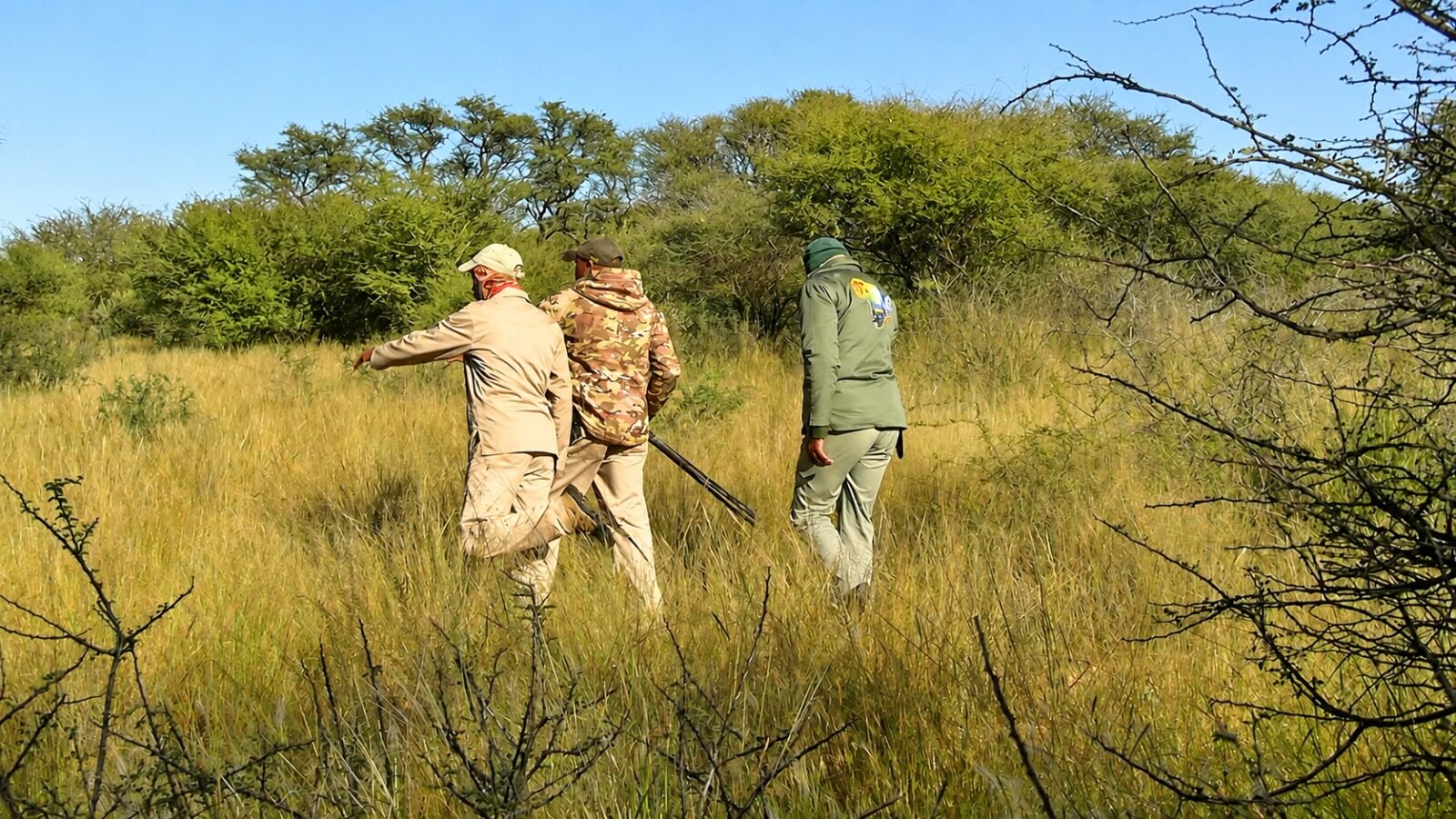 3
Sable hold open woodland and savanna carrying medium to tall grass, and like buffalo they depend on drinking water — they are seldom found far from it.
In South Africa that puts them through the Limpopo and Lowveld bushveld. They feed in the cool of early morning and late afternoon, and move to shade and water through the heat of the day.
4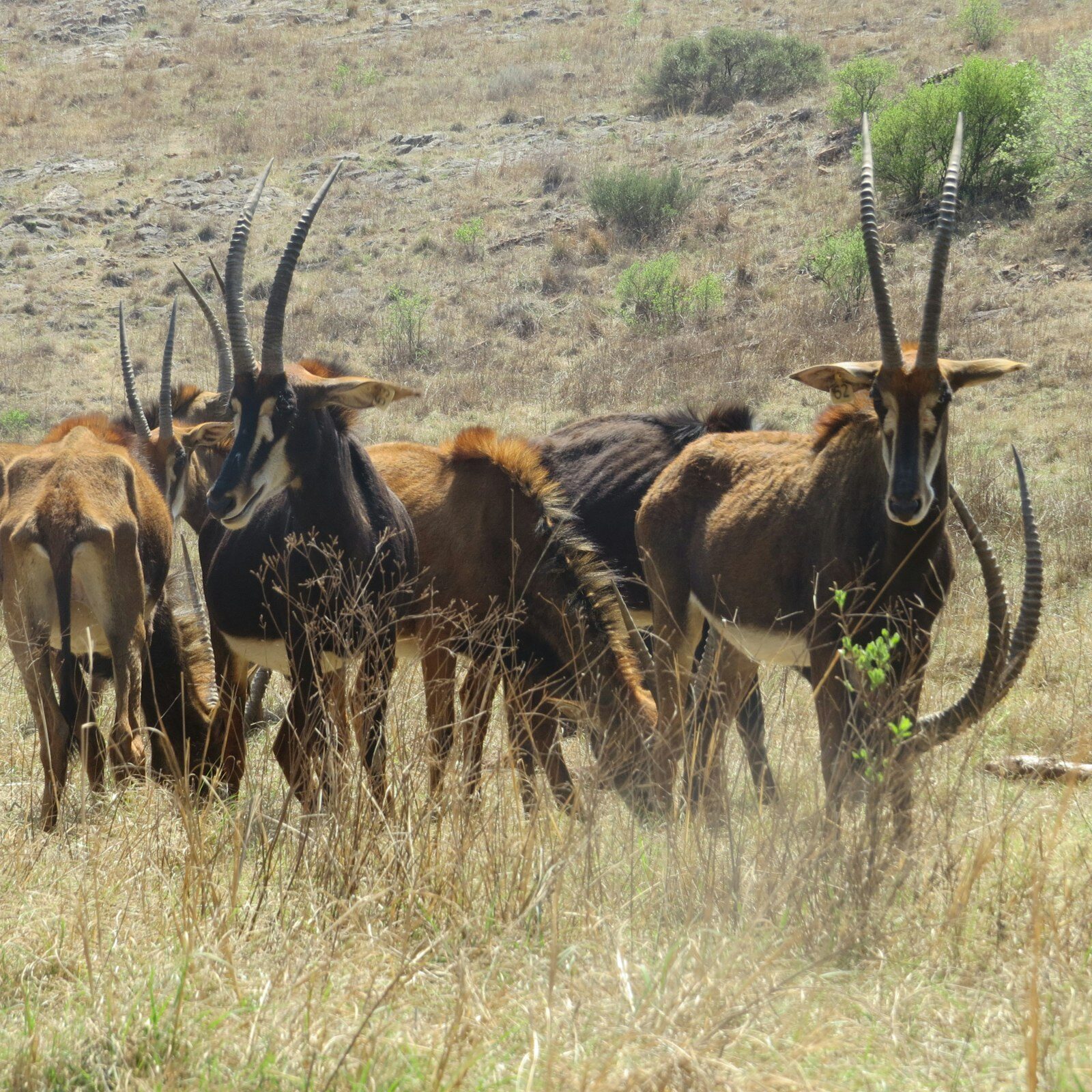 5
Cow herds run to roughly ten to thirty animals with their young, and one dominant bull holds the ground they feed on. Younger bulls are pushed out into bachelor groups until they can win territory of their own.
Calves are born a plain reddish brown and lie up hidden for their first weeks, darkening season by season until a mature bull carries that famous glossy black.
6
A mature sable bull is one of the most striking mounts a hunter can bring home, and one of the more challenging plains game hunts — territorial bulls hold ground in mixed woodland and grassland, and a careful stalk is needed to close in without spooking the herd.
Sable rank among the more challenging plains game hunts, guided personally by Anthony Schenk across the Eastern Cape and Limpopo bushveld.
Territorial bulls hold their ground among the herd, so the work is a careful stalk through mixed savanna woodland and grassland — close enough for a clean shot without spooking the cows around him.
The reward is one of the most striking mounts in African hunting: a glossy black coat and long, sweeping horns that can reach 165cm on a mature bull.
Rifle hire, bush accommodation and trophy export are all part of the arrangements, so the only thing to concentrate on is the stalk.
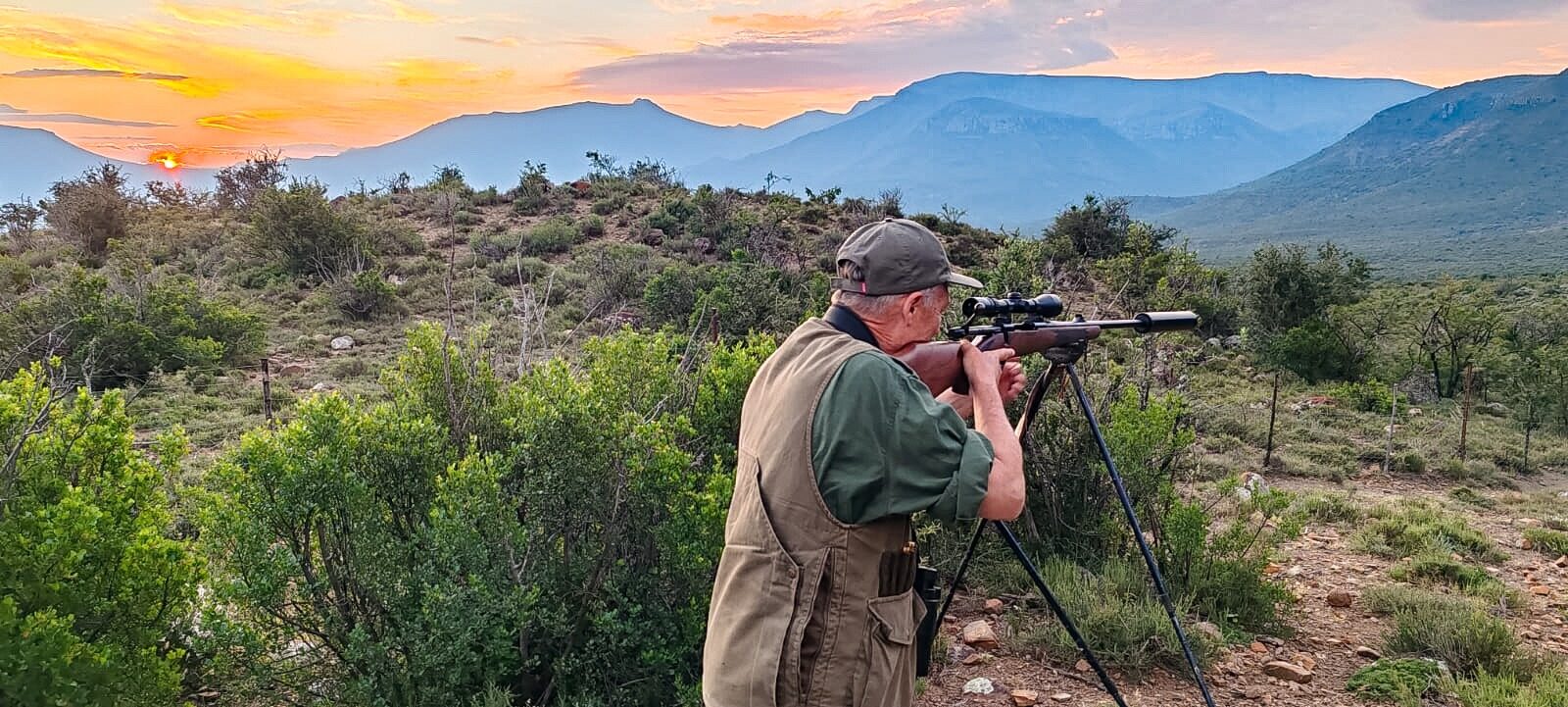
On the sticks at sunset.
Mature bulls carry a glossy black coat and long, dramatically curved horns up to 165cm — one of the most striking mounts in African hunting.
Across the Eastern Cape and Limpopo bushveld, in mixed savanna woodland and grassland.
It ranks among the more challenging plains game hunts — territorial bulls hold ground, and a careful stalk is needed to close in without spooking the herd.
Yes. Rifle hire is available for guests who need it, as part of your personalised safari package.
The South African hunting season runs from mid-February to mid-July, when Anthony guides in person.
Yes. Trophy export is arranged as part of the trip, and we handle the paperwork so it does not become your problem once you have flown home.
Tell us roughly when you can travel and who is coming, and we will tell you honestly whether a Sable hunt fits the days you have.
Rough dates and who is coming is enough to start. No lengthy booking form, no card details.
If the days you have will not cover it, we say so up front and adjust rather than take the booking and disappoint you.
Nothing sold off a shelf. Priced against your dates, group and interests — in USD, Euro or ZAR.
Land-based four to sixteen, live-aboard six to eight, big-game fishing four to five. Never a crowd.
Ask On WhatsApp Request A Quote
We respect your privacy under South Africa’s POPIA. This site does not use advertising cookies. With your permission we use Google Analytics to see which pages are useful; otherwise it uses only what it needs to work and stay secure, plus a few trusted services (Google Fonts, Cloudflare security, and on our Contact page the tools that check phone numbers and dates). Choose what you are happy with — you can change it any time under “Privacy settings” at the foot of every page. Read our Privacy Notice.
Keeps the site working and secure (Cloudflare) and remembers this privacy choice. These cannot be switched off.
Google Analytics shows us which pages are useful and how visitors find us. It sets cookies (_ga) and only runs if you allow this.
Would allow advertising or social-media tracking. We do not use any at present; if we ever do, they only run if you allow this.