
Slow Sweeps Over Deep Structure For Reef Fish.
A slow, precise way to fish deep structure without wearing yourself out.
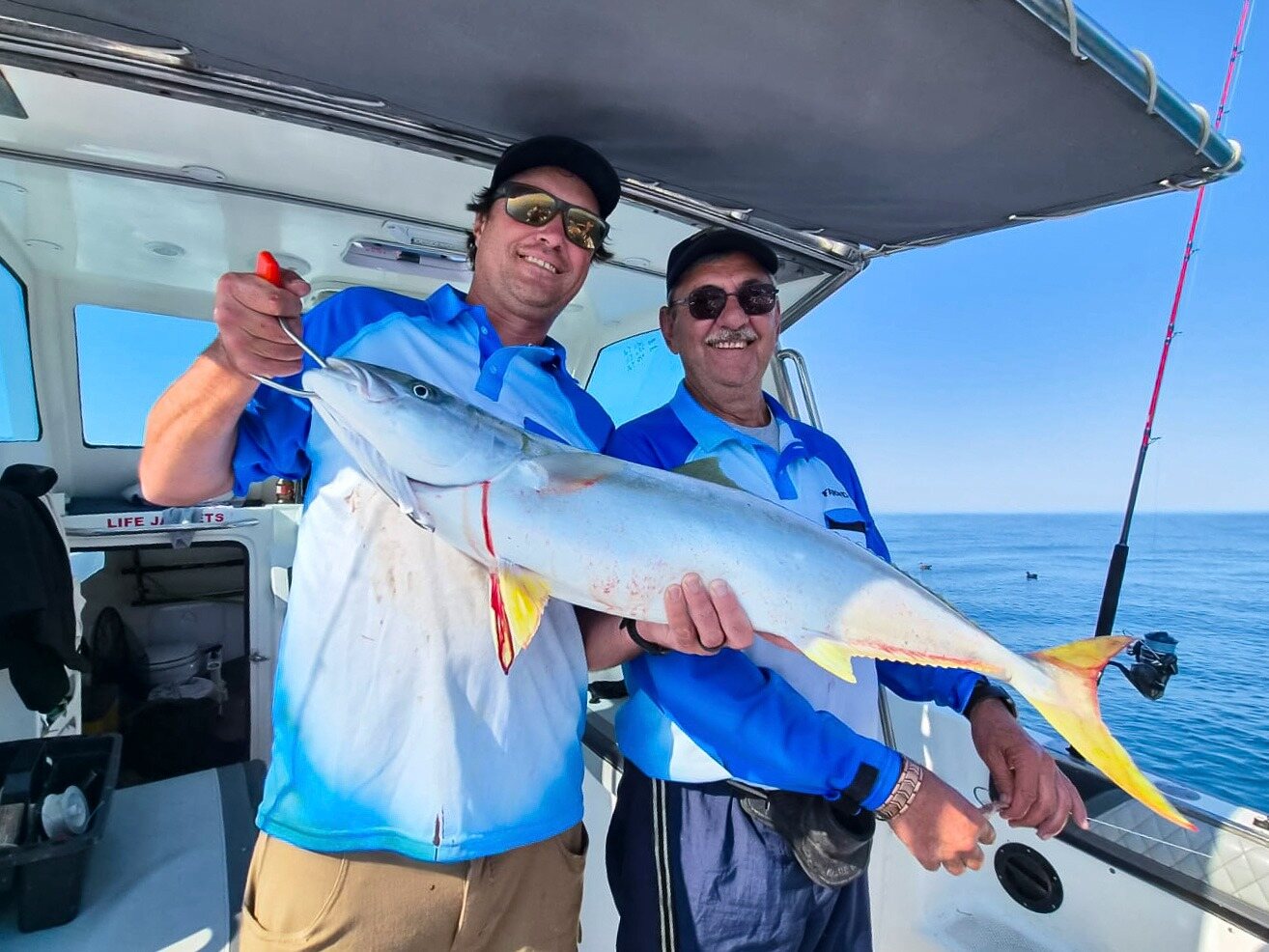
Slow-pitch jigging works deep reefs and drop-offs for grouper, snapper, amberjack and other reef-associated species.
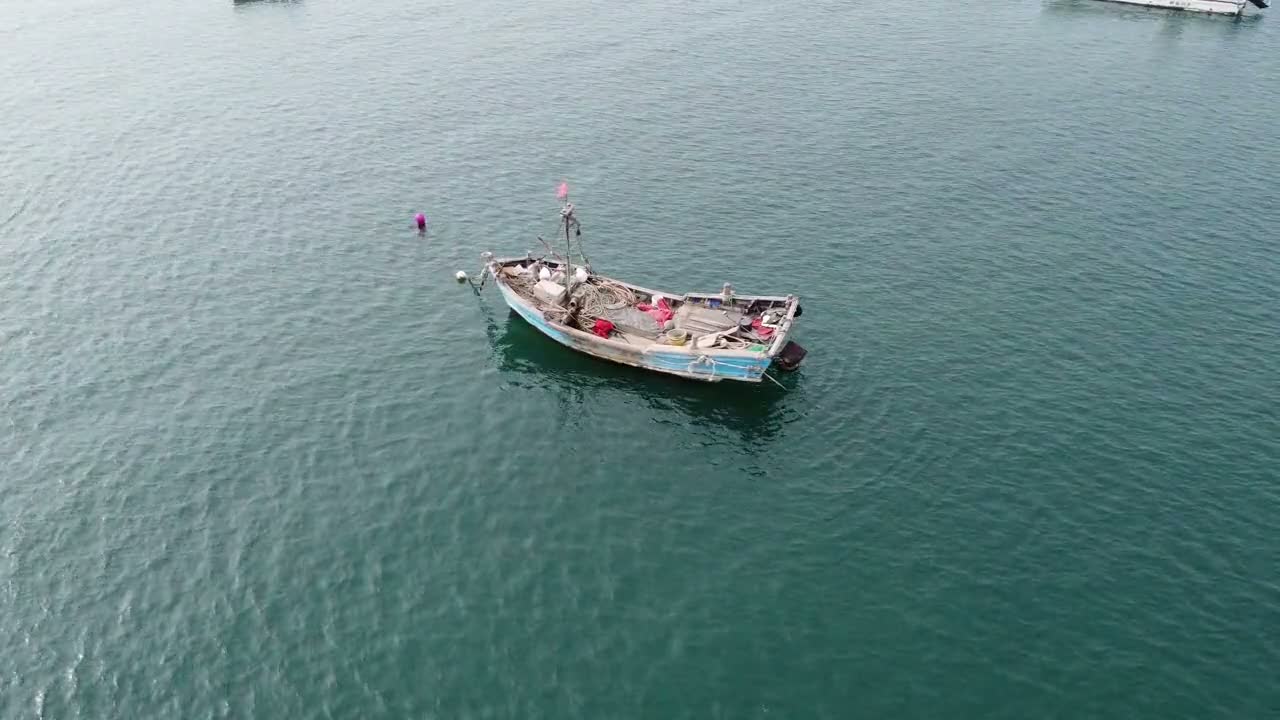
Developed in Japan as a more precise alternative to fast vertical jigging, it relies on slow rod sweeps and the jig’s flutter on the fall.
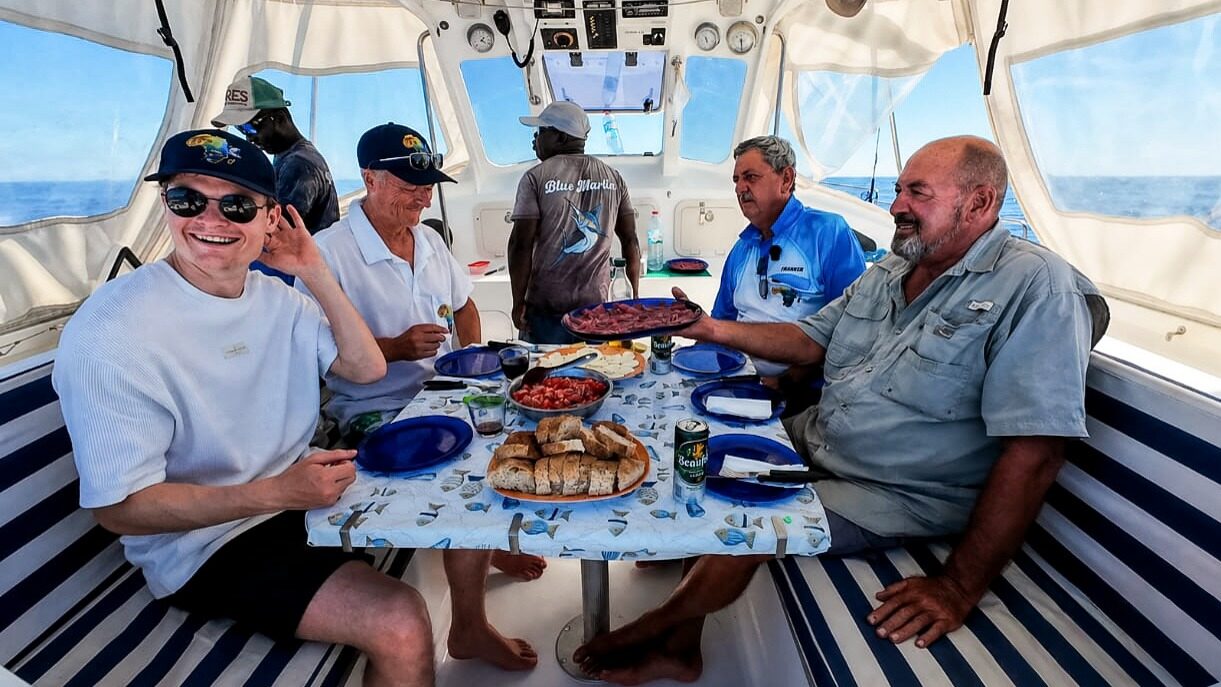
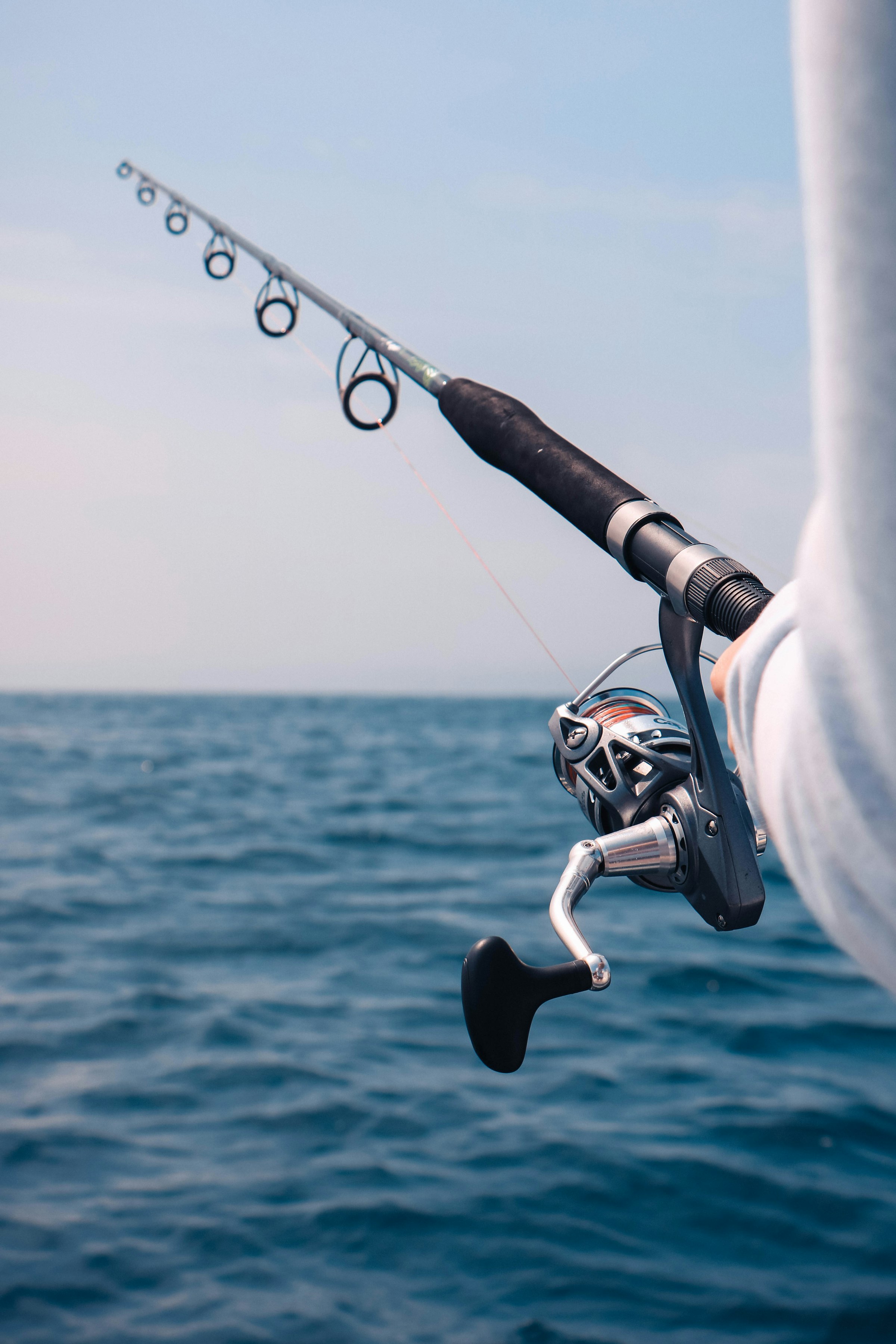
Because the rod and jig do most of the work, you can fish deep structure for a full session. A PE3 to PE5 jig rod is the usual outfit.
Slow-pitch jigging is a calculated, deliberate technique developed in Japan, built around a metal jig rather than a fast retrieve.
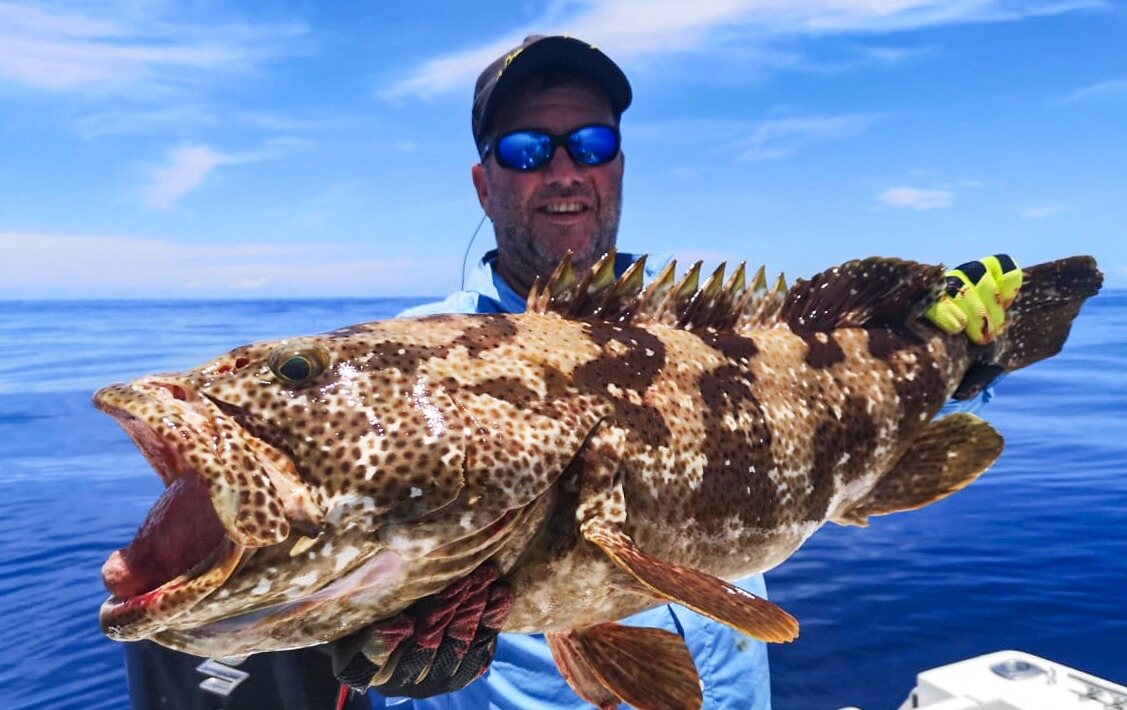
Instead of winding hard and fast, the angler lifts the rod in slow, controlled sweeps and lets the jig flutter back down on a semi-slack line — the fall, not the retrieve, is what triggers the strike. Almost all of the action happens in the rod and the jig itself rather than the angler’s effort, which makes it a far less physically demanding way to fish deep structure and reef than fast vertical jigging.
It is a productive method over reefs and drop-offs, effective on a wide range of bottom-associated and reef species. Because the jig is doing most of the work, it is common to fish several rods across a session without the fatigue that fast, muscle-driven jigging brings on over a full day.
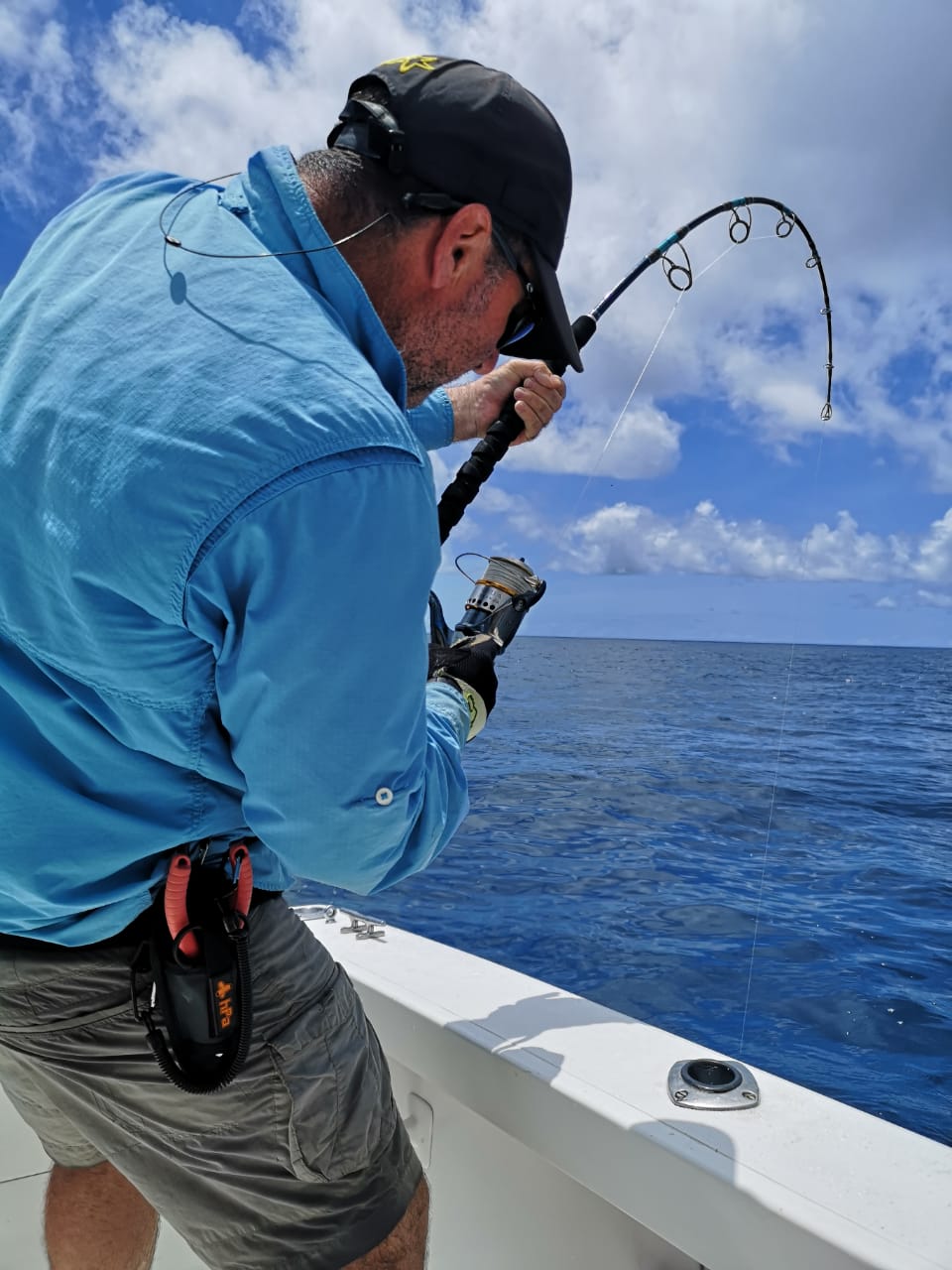
Two pages on the Japanese technique that fishes deep reef without the arm-burn.
 1
Rather than winding hard and fast, the rod is lifted in slow controlled sweeps and the jig is left to flutter back down on a semi-slack line.
It is that fall, not the retrieve, that triggers the strike.
2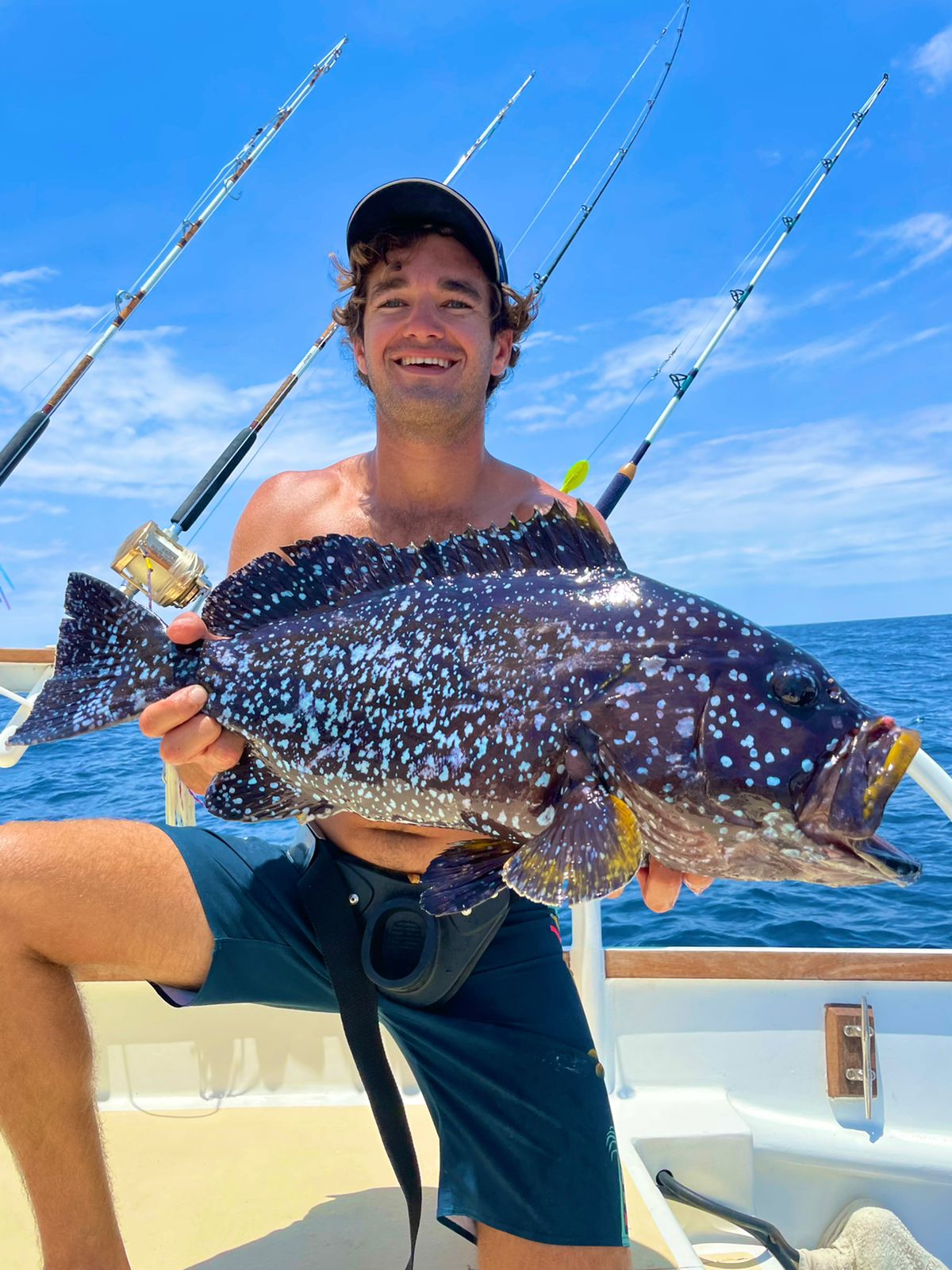 3
Almost all the work is done by the rod and the jig, making this far less demanding than fast vertical jigging over a full day.
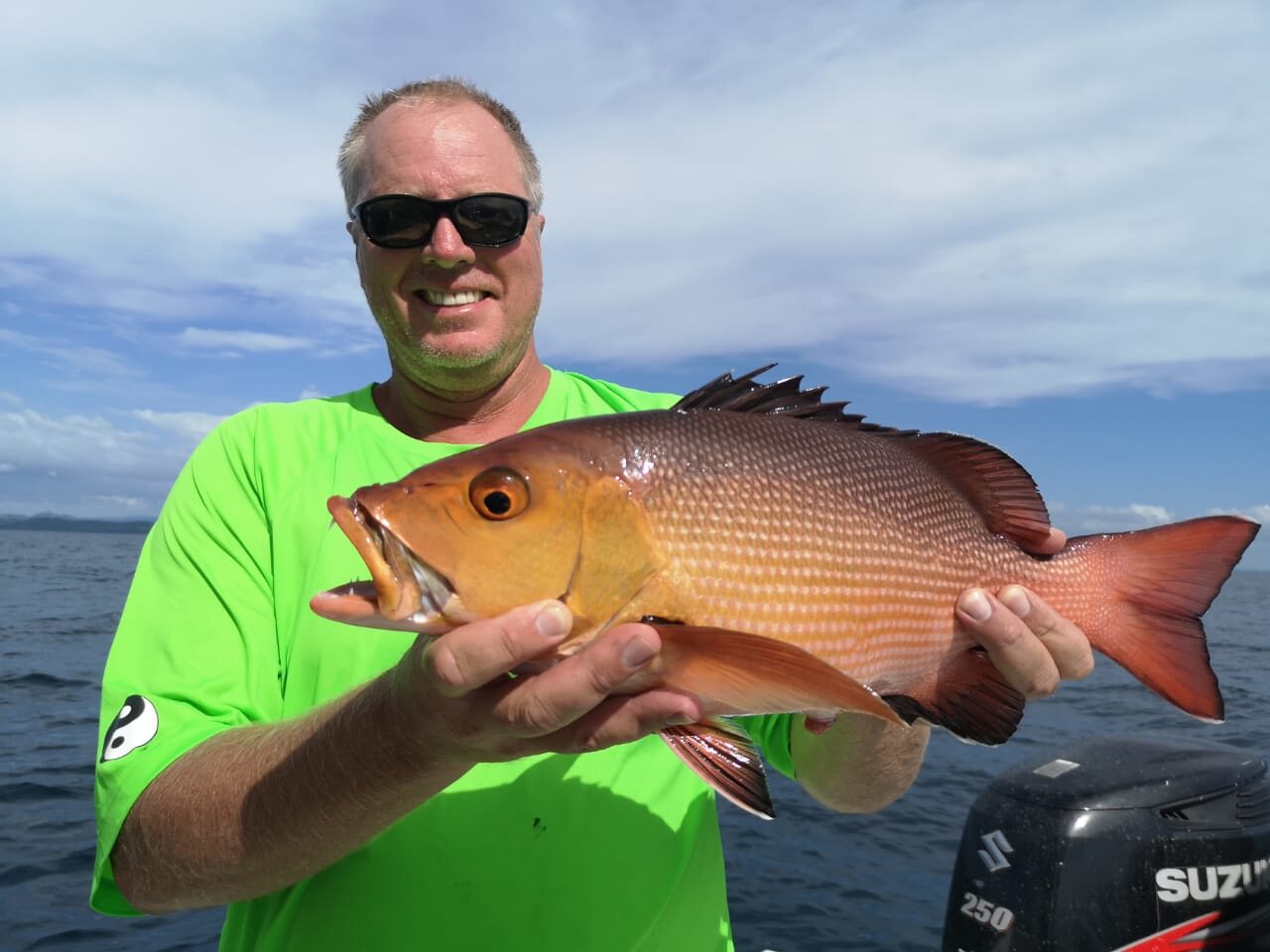
A PE3 to PE5 jig rod over reefs and drop-offs produces grouper, snapper, amberjack and a wide range of reef species.
4
Because the technique relies on rod and jig action rather than muscle, it suits anglers who want a technical, low-fatigue way to fish deep water over reefs, drop-offs and structure — ideal for a long day targeting a variety of species without the arm-burn of fast jigging.
Slow-pitch jigging was developed in Japan as a more technical, precise alternative to fast vertical jigging — slow, controlled rod sweeps that let the jig flutter on the fall.
It is how we fish deep structure for grouper, snapper, amberjack and other reef-associated species when the surface goes quiet.
Because the rod and jig do most of the work, it is a low-fatigue way to fish a full session. The timing of the sweep takes a little practice, and our guides get you into the rhythm quickly on a PE3 to PE5 outfit.
Rods, jigs and crew come with the day. Build it into a Nosy Be fishing holiday alongside trolling or popping.
Send us your dates and group size. We will tell you what is running then, and whether Slow-Pitch Jigging is the right call for that week.
Rough dates and who is coming is enough to start. No lengthy booking form, no card details.
If the days you have will not cover it, we say so up front and adjust rather than take the booking and disappoint you.
Nothing sold off a shelf. Priced against your dates, group and interests — in USD, Euro or ZAR.
Ask On WhatsApp Request A Quote
Working the deep water off Nosy Be.
It relies on slow, controlled rod sweeps and the jig's own flutter on the fall, rather than a fast retrieve — far less physically demanding than fast vertical jigging.
Grouper, snapper, amberjack and a range of other bottom-associated and reef species.
It was developed in Japan as a more technical, precise alternative to fast vertical jigging.
A PE3 to PE5 jig rod paired with a suitable reel and metal jig, matched to the depth and structure being fished.
No — that is the appeal. Because the rod and jig do most of the work, it is a low-fatigue way to fish deep structure for a full session.
Intermediate — the timing of the rod sweep takes some practice, but our guides will get you into the rhythm quickly.
Come and discover the wild beauty, culture, adventure and hospitality of Africa — and create stories you will tell for years to come.
Start Planning“Live life to the fullest; tomorrow may never come.”
We respect your privacy under South Africa’s POPIA. This site does not use advertising cookies. With your permission we use Google Analytics to see which pages are useful; otherwise it uses only what it needs to work and stay secure, plus a few trusted services (Google Fonts, Cloudflare security, and on our Contact page the tools that check phone numbers and dates). Choose what you are happy with — you can change it any time under “Privacy settings” at the foot of every page. Read our Privacy Notice.
Keeps the site working and secure (Cloudflare) and remembers this privacy choice. These cannot be switched off.
Google Analytics shows us which pages are useful and how visitors find us. It sets cookies (_ga) and only runs if you allow this.
Would allow advertising or social-media tracking. We do not use any at present; if we ever do, they only run if you allow this.