Open Karoo Plains And Long, Exposed Stalks.
Open country, long sightlines and an animal built for the heat.
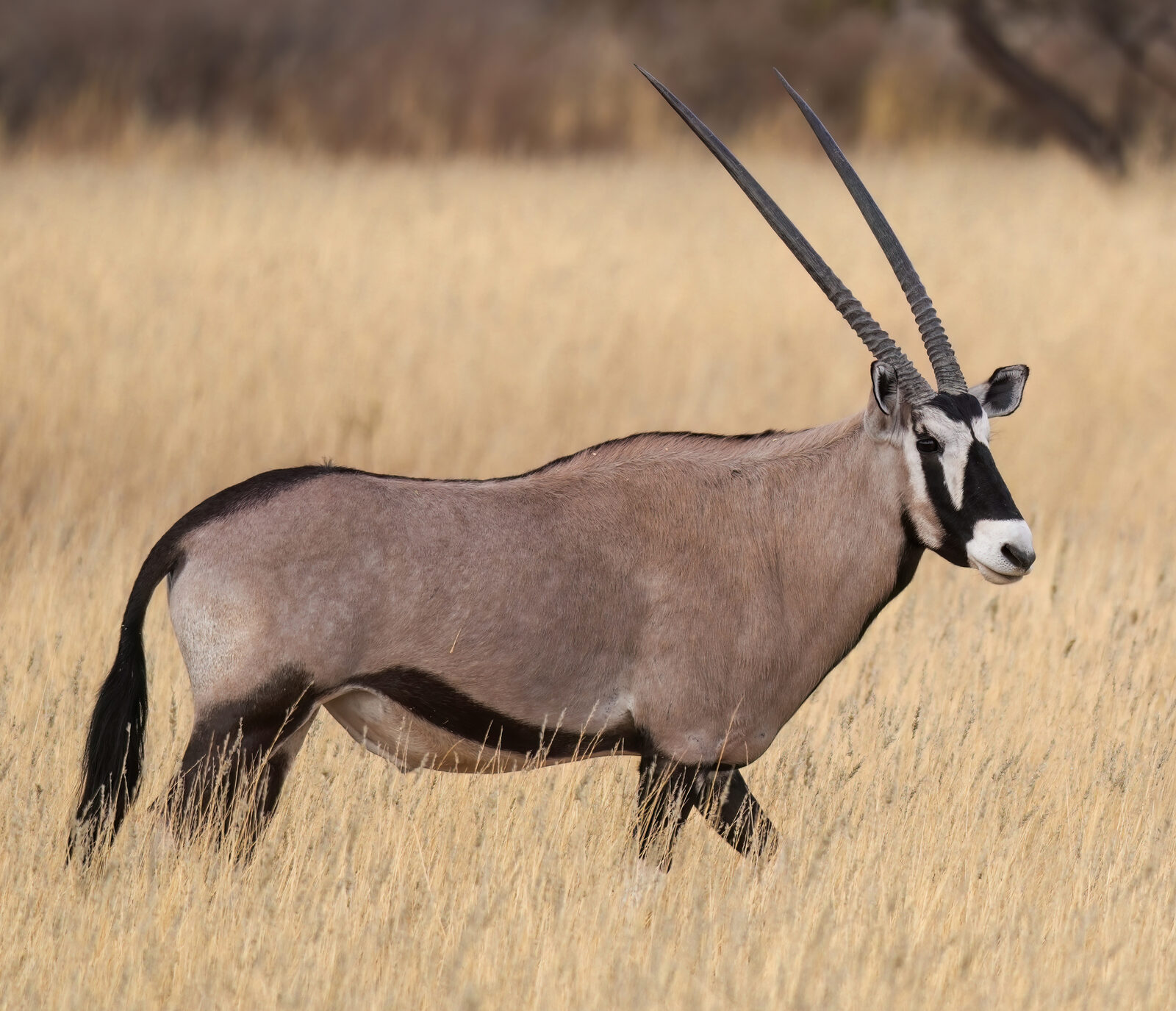
Gemsbok are hunted on the open, semi-arid plains of the Karoo, spotted from a height and approached across ground with very little cover.
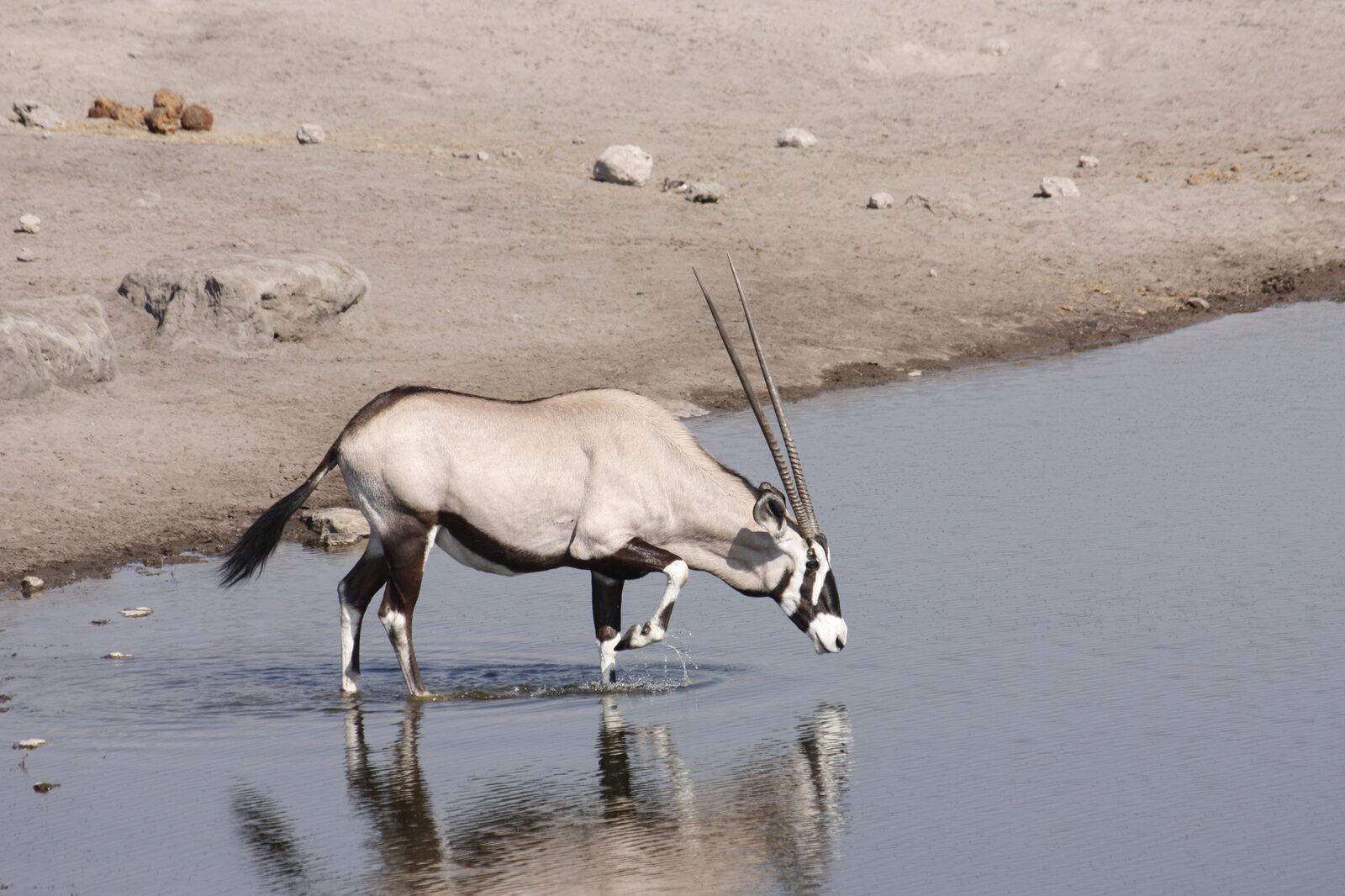
A low metabolism lets gemsbok go long periods without drinking, taking moisture from desert melons and plants, and tolerate a body temperature rise to around 45°C.
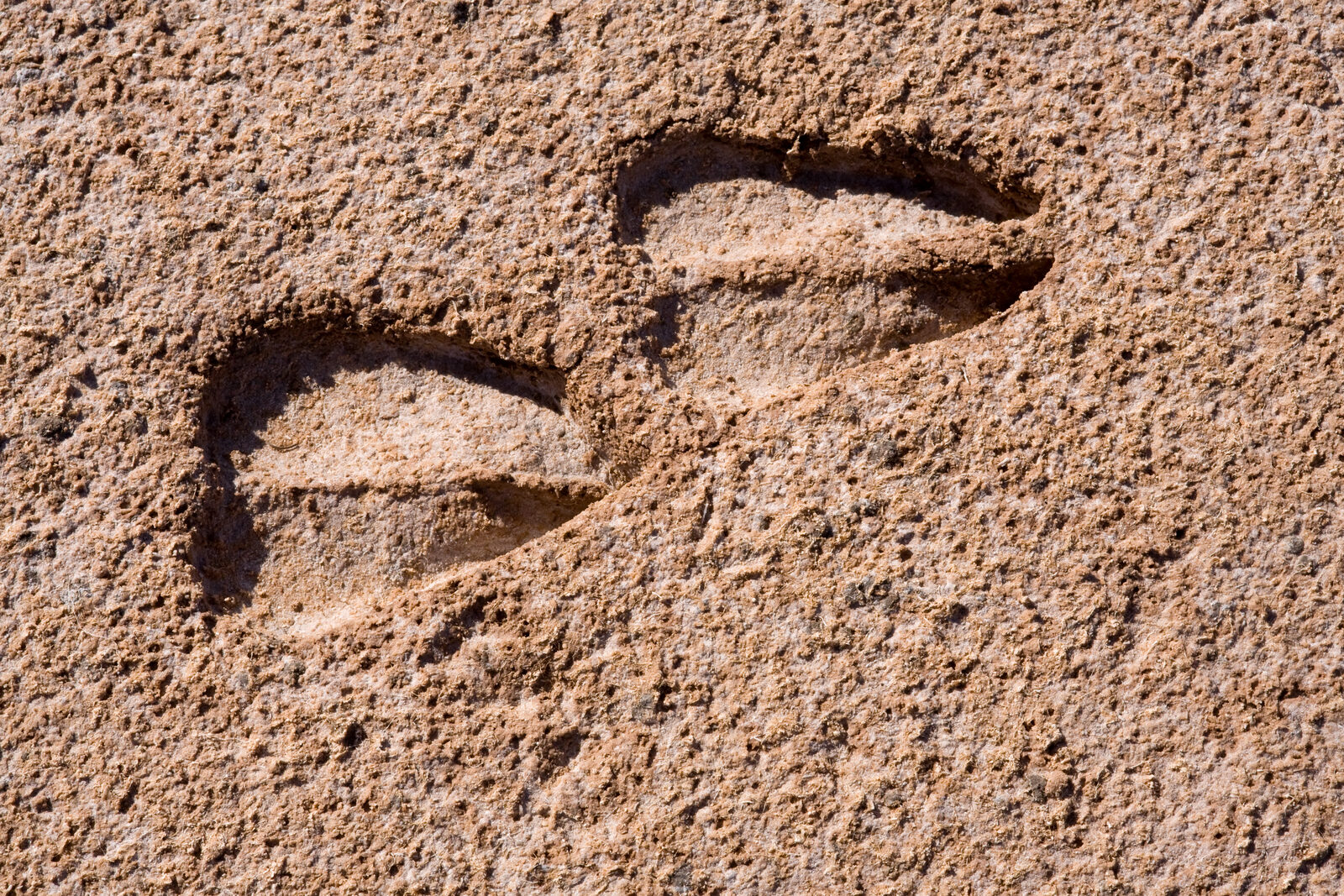
On bare, sandy ground the spoor tells you how many animals passed and how recently — the start of most gemsbok stalks.
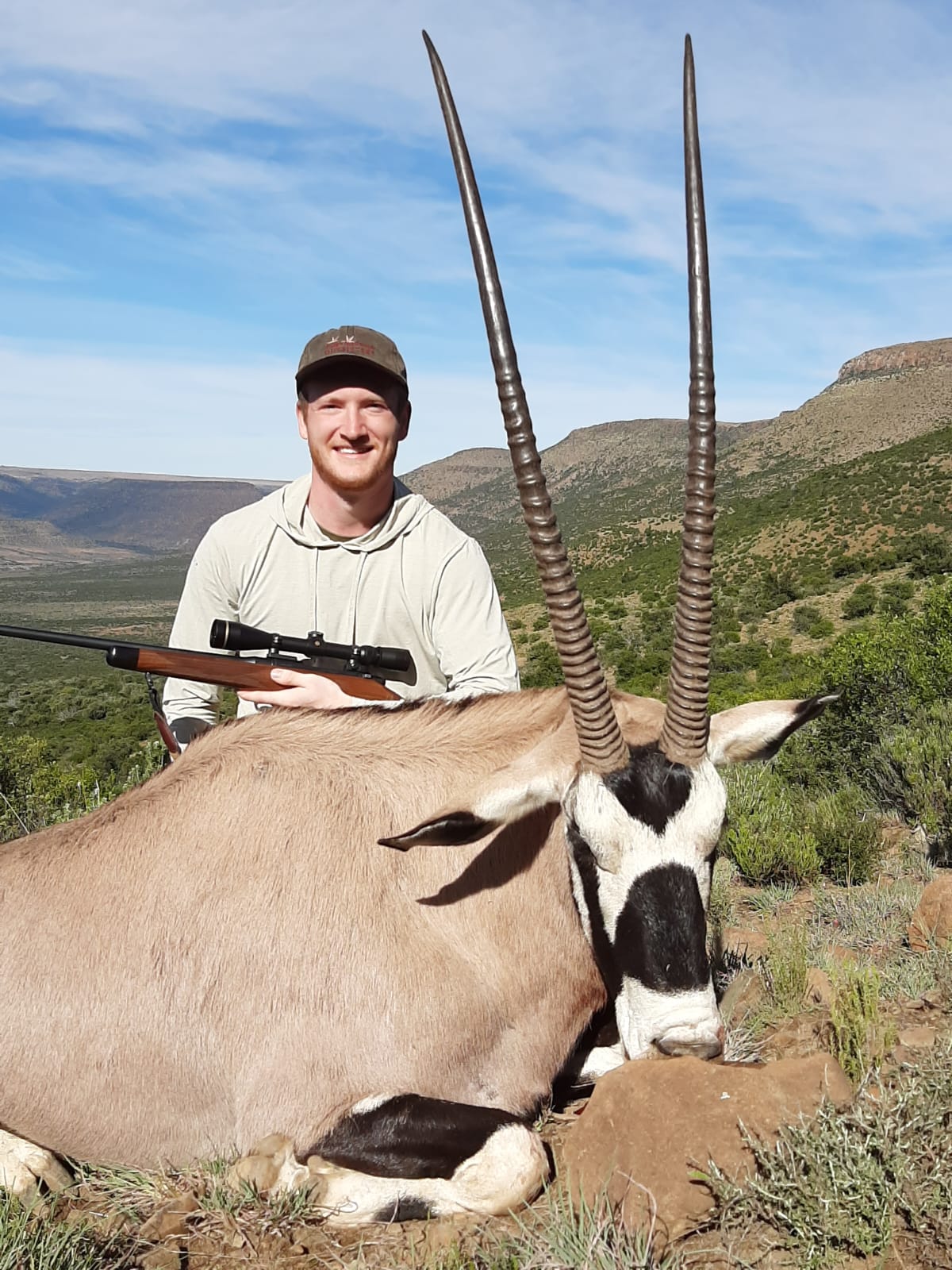
Both bulls and cows carry long, near-straight horns up to 120cm, and animals weigh up to about 300kg.
Fly into Johannesburg or Cape Town and connect on to Gqeberha, East London, George or Polokwane. Seasons, what to pack and how the hunting season runs from mid-February to mid-July.
SA Airlink flies Johannesburg to Nosy Be direct, early on Tuesday mornings. Never book via Antananarivo on the mainland.
Nosy Be Flight RoutesThe gemsbok is built for the harshest terrain in Southern Africa, and instantly recognisable by its rapier-straight horns and bold black-and-white face.
Standing 1.1 to 1.3m at the shoulder and weighing up to 300kg, gemsbok carry long, near-straight horns reaching 120cm — present on both sexes, and used as serious weapons against predators and rivals alike. A grey-brown coat, black markings on the legs and back, and a striking black-and-white facial mask make them one of the most photogenic trophies in Africa.
They are built for the desert: a low metabolism lets them go long periods without drinking, taking moisture from desert melons and other plants, and they tolerate a body temperature rise to around 45°C before dissipating the stored heat overnight. That adaptation lets them thrive on the Karoo’s driest, rockiest plains.
Three pages on the desert-adapted oryx of the open plains — the animal, the arid country it holds, and the herd.
 1
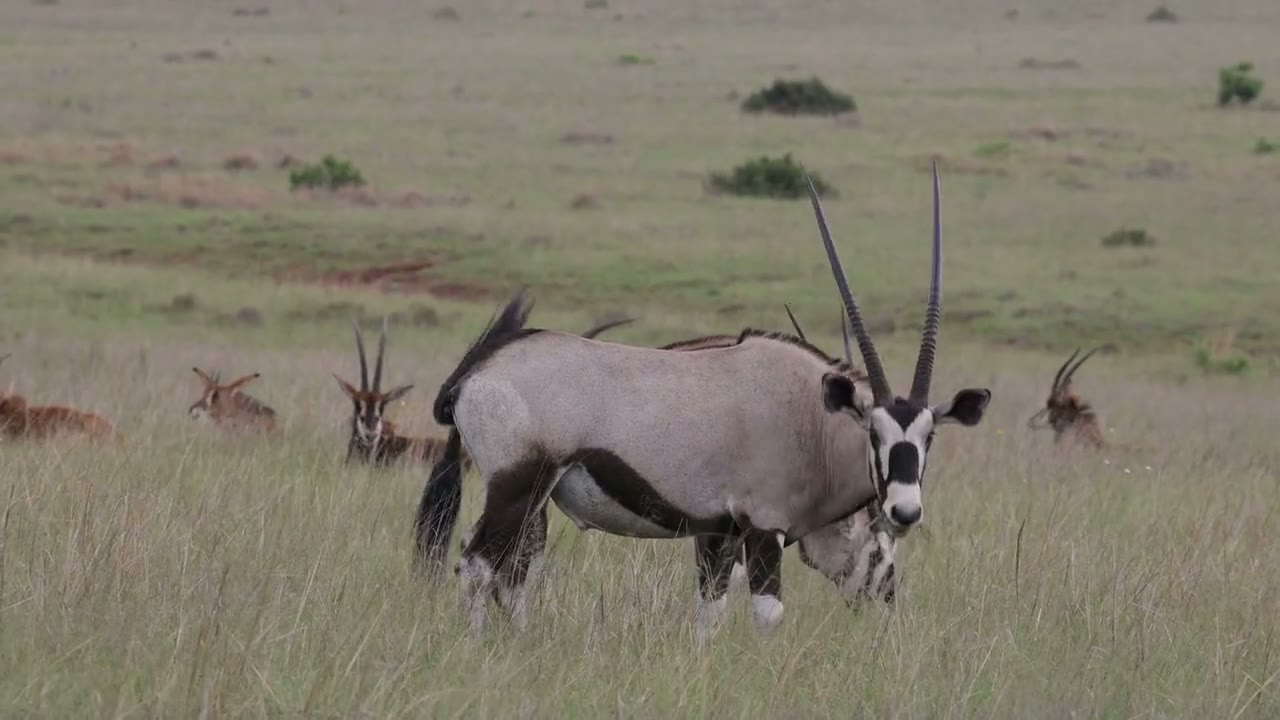
Straight, rapier-like horns reach up to 120cm and are carried by both sexes, over a grey-brown coat with a black-and-white face mask and white socks.
Bulls run 220 to 300kg. A low metabolism lets them go much of the year without drinking, taking moisture from their food and letting body temperature climb before shedding the heat at night — which is why they hold ground where little else does.
2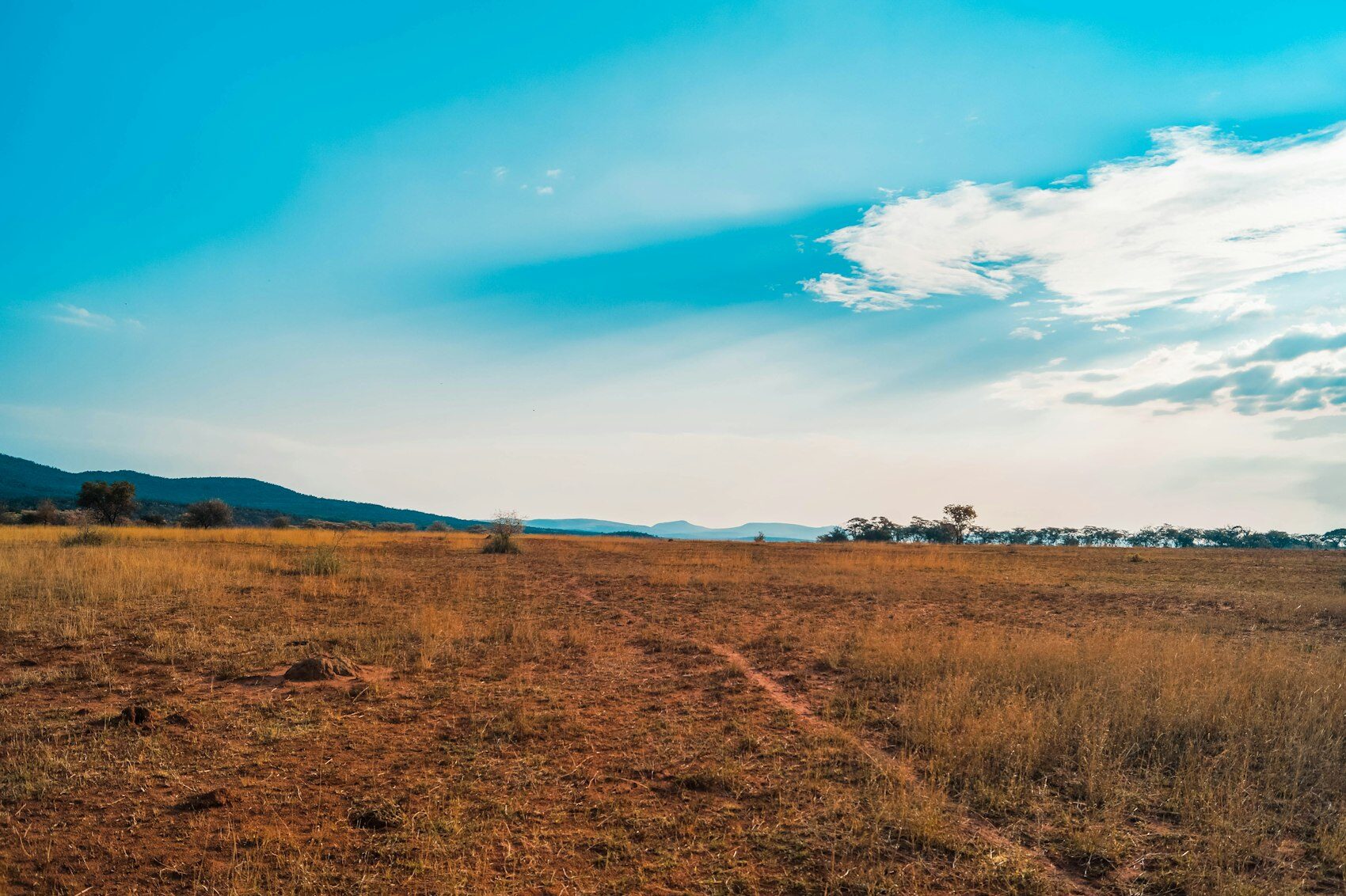 3
Gemsbok country is arid open grassland and dune veld — in South Africa above all the Kalahari of the Northern Cape, where the Kgalagadi runs on across the Botswana border.
They handle heat and distance that would break most antelope, drawing what water they need from grass, roots and tsamma melons, and digging for them when the surface has nothing left to give.
4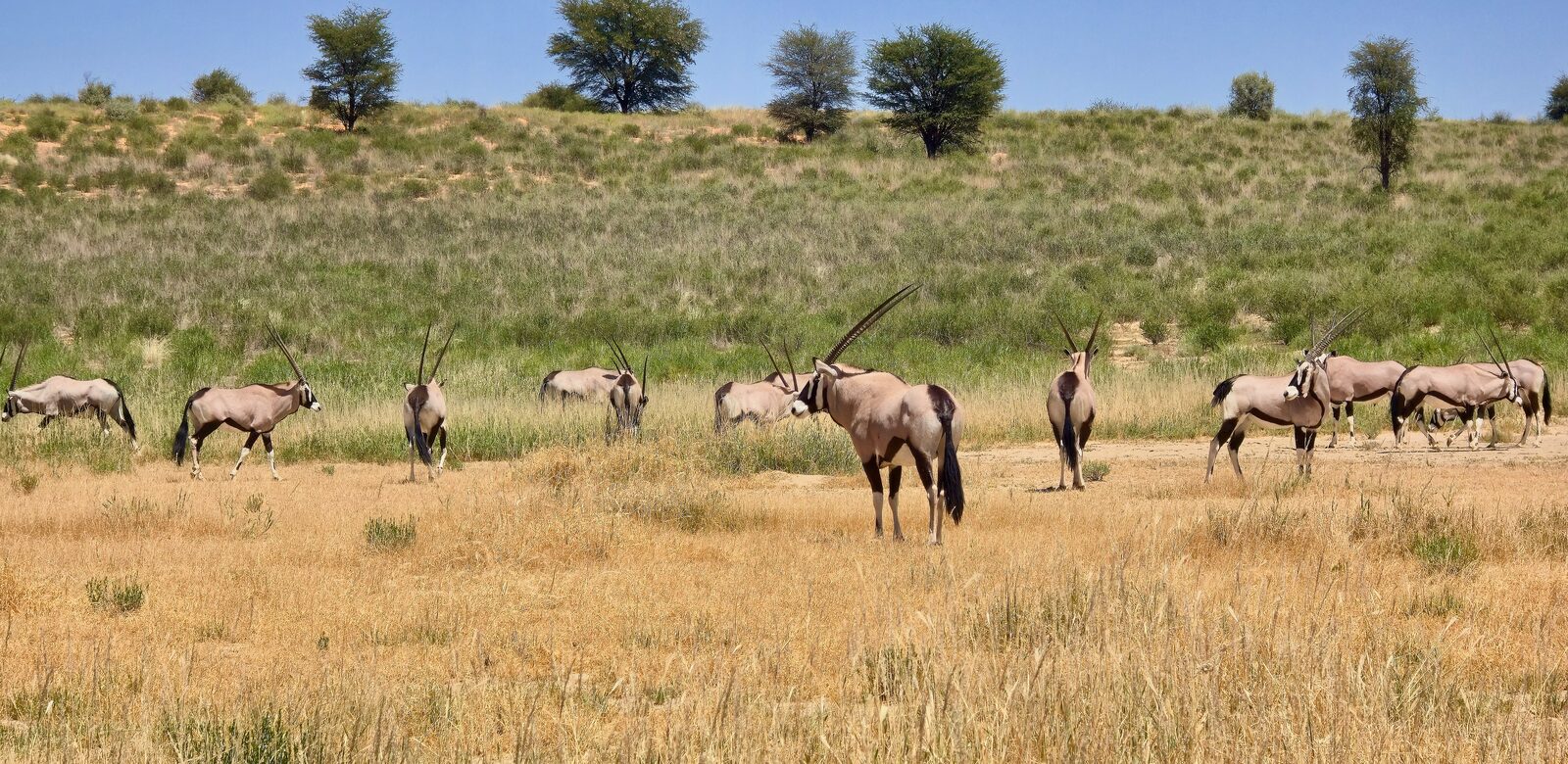 5
Mixed herds usually run to a dozen or so animals under a dominant bull, though good grazing after rain can pull far larger groups together out on the open pans.
Both sexes carry the long, straight horns, and gemsbok are known for standing and facing a threat rather than running from it — a habit that makes them one of the most respected animals on the open plains.
6
Gemsbok favour open, rocky terrain, which makes for long-range spotting and a careful, exposed stalk across the Karoo’s semi-arid plains — a different rhythm to hunting thicker bushveld, and a favourite for guests who enjoy wide horizons and sharp eyes.
Gemsbok bring a completely different rhythm to a safari: open, semi-arid Karoo plains instead of thick bush, guided by Anthony Schenk.
You spot from a height, often at long range, then commit to an exposed stalk across country with very little cover. Patience with the wind and the ground counts for more here than anywhere else.
Both bulls and cows carry long, straight horns up to 120cm, which makes a gemsbok a genuine trophy option whichever sex you take.
Hire a rifle for the trip if you would rather not bring one; accommodation and trophy export are organised around the hunt.
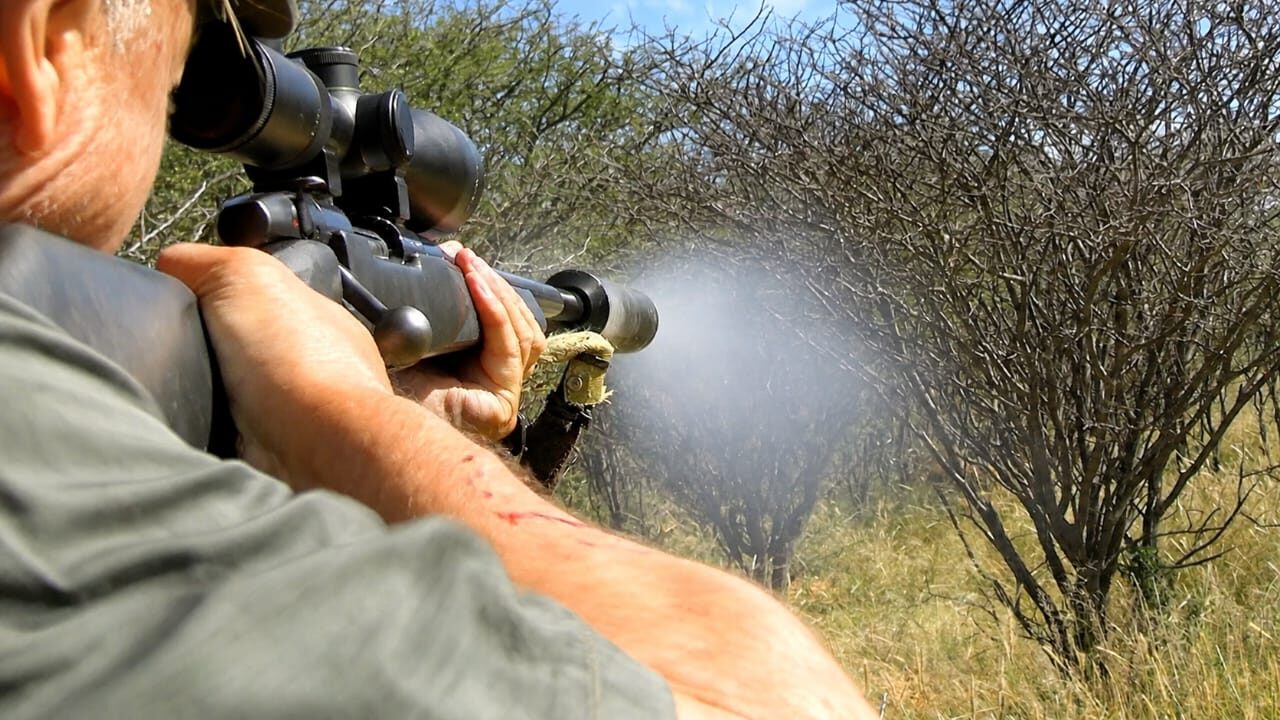
Taking the shot on open ground.
On the Karoo's open, semi-arid plains, where gemsbok are best suited to the terrain.
Yes — both sexes carry long, straight horns up to 120cm, which makes gemsbok a trophy option regardless of sex.
It is an open-plains hunt with long-range spotting and an exposed stalk, a different rhythm to tracking through thick bush.
Yes. Rifle hire is available for guests who need it, as part of your personalised safari package.
The South African hunting season runs from mid-February to mid-July.
Yes. Gemsbok on the Karoo plains pairs naturally with bushveld species such as kudu, sable or wildebeest in a single safari.
Tell us roughly when you can travel and who is coming, and we will tell you honestly whether a Gemsbok hunt fits the days you have.
Rough dates and who is coming is enough to start. No lengthy booking form, no card details.
If the days you have will not cover it, we say so up front and adjust rather than take the booking and disappoint you.
Nothing sold off a shelf. Priced against your dates, group and interests — in USD, Euro or ZAR.
Land-based four to sixteen, live-aboard six to eight, big-game fishing four to five. Never a crowd.
Ask On WhatsApp Request A Quote
We respect your privacy under South Africa’s POPIA. This site does not use advertising cookies. With your permission we use Google Analytics to see which pages are useful; otherwise it uses only what it needs to work and stay secure, plus a few trusted services (Google Fonts, Cloudflare security, and on our Contact page the tools that check phone numbers and dates). Choose what you are happy with — you can change it any time under “Privacy settings” at the foot of every page. Read our Privacy Notice.
Keeps the site working and secure (Cloudflare) and remembers this privacy choice. These cannot be switched off.
Google Analytics shows us which pages are useful and how visitors find us. It sets cookies (_ga) and only runs if you allow this.
Would allow advertising or social-media tracking. We do not use any at present; if we ever do, they only run if you allow this.