Private Properties. Wild Country. Guided Start To Finish.
Four regions, four very different hunts. Pick the country that suits the animal you are after.
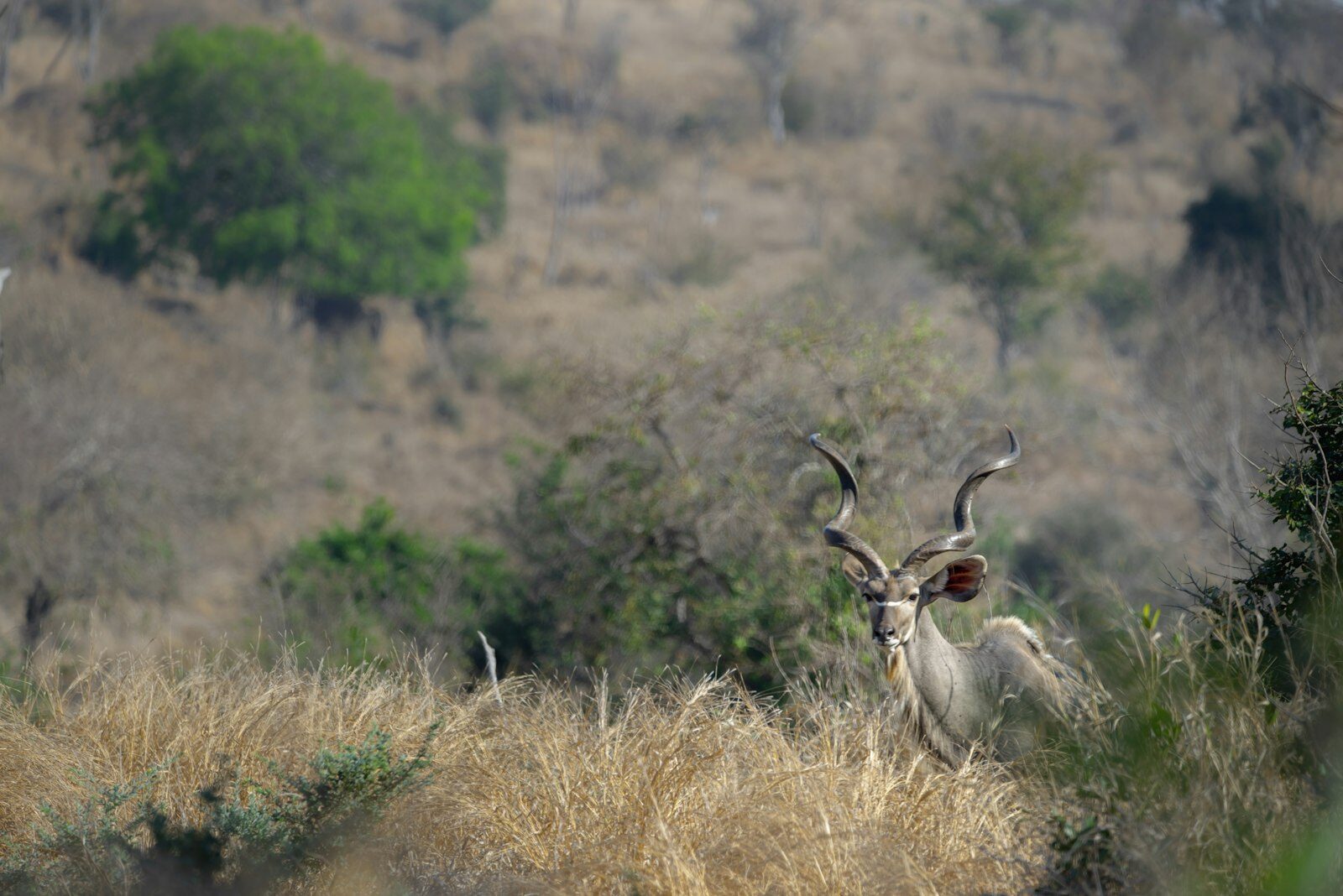
The Eastern Cape is malaria-free and thick with kudu, bushbuck, nyala, warthog and eland. Steep valley bushveld cut by rivers — you walk, read sign and work the wind.
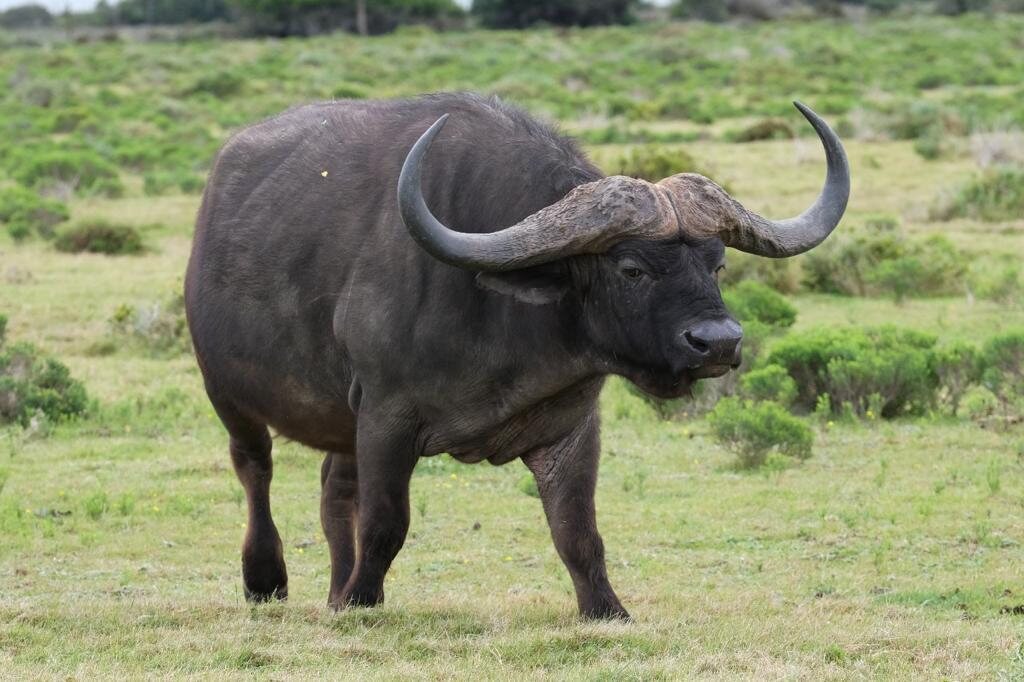
North in Limpopo and the Lowveld the bush opens into classic acacia and mopane. This is the country for Cape buffalo and sable — the more demanding hunts on the list.
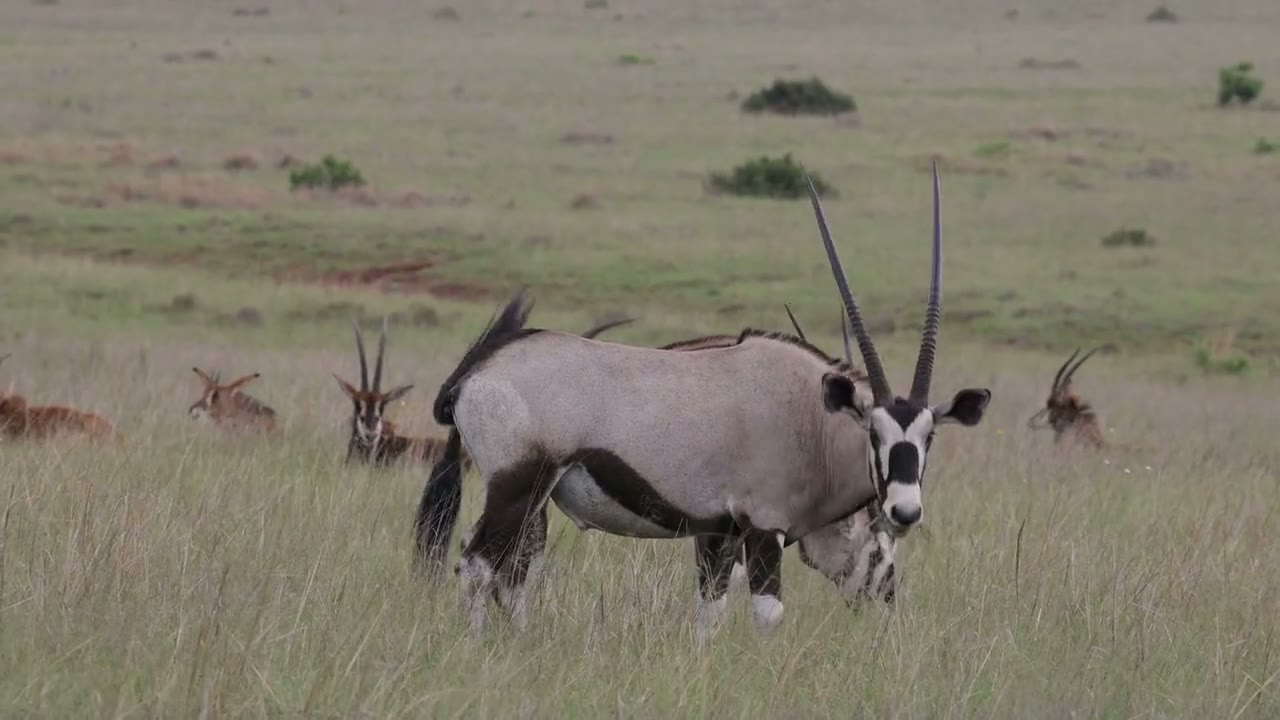
The Karoo is semi-arid and wide open. You spot from a height, often at long range, then commit to an exposed stalk with very little cover between you and the animal.
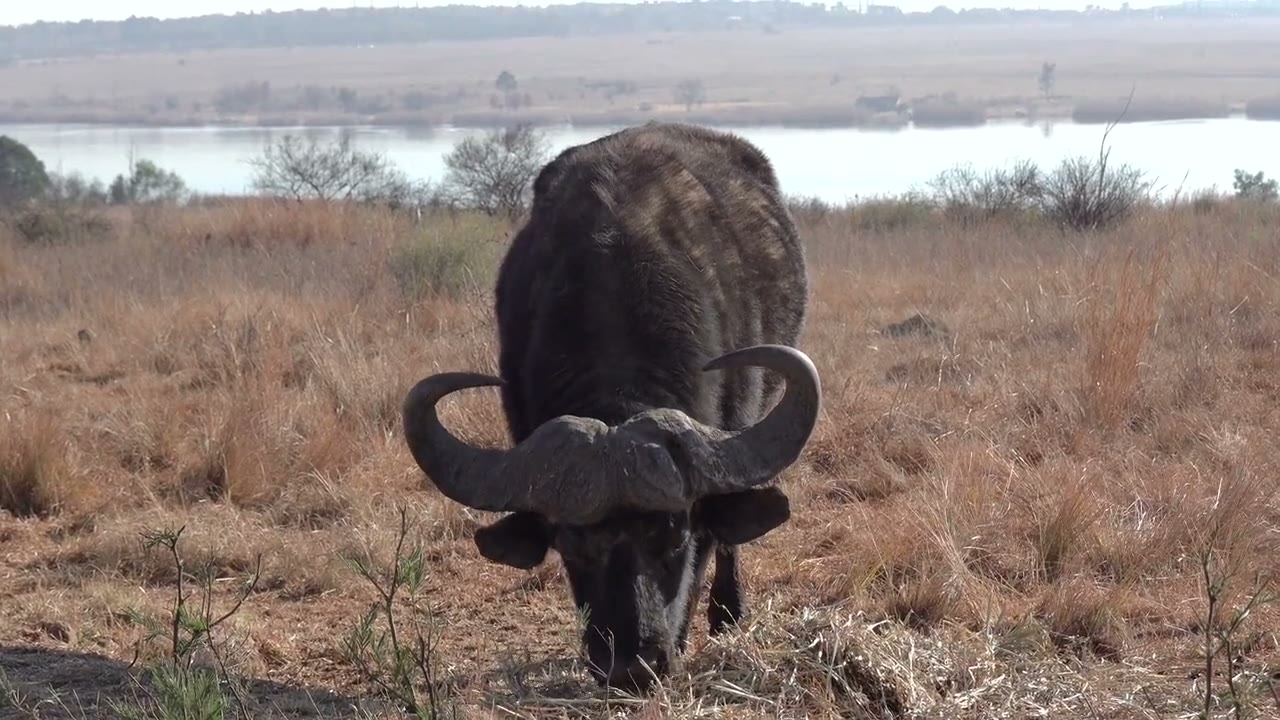
Southern Zimbabwe is wilder than any of the South African regions — the place for a hard-earned Cape buffalo, with a professional hunter at every step of a dangerous-game hunt.
Fly into Johannesburg or Cape Town and connect on to Gqeberha, East London, George or Polokwane. Seasons, what to pack and how the hunting season runs from mid-February to mid-July.
SA Airlink flies Johannesburg to Nosy Be direct, early on Tuesday mornings. Never book via Antananarivo on the mainland.
Nosy Be Flight RoutesKudu, sable, nyala, gemsbok, wildebeest, eland, impala, waterbuck, springbok, blesbok, bushbuck, warthog and zebra, depending on the property and the region — plus Cape buffalo and other big game in the right country.
We will tell you honestly what is realistic for the time you have. A week is enough for a good plains game safari; buffalo and the larger species want longer, and a bit of luck with the weather.
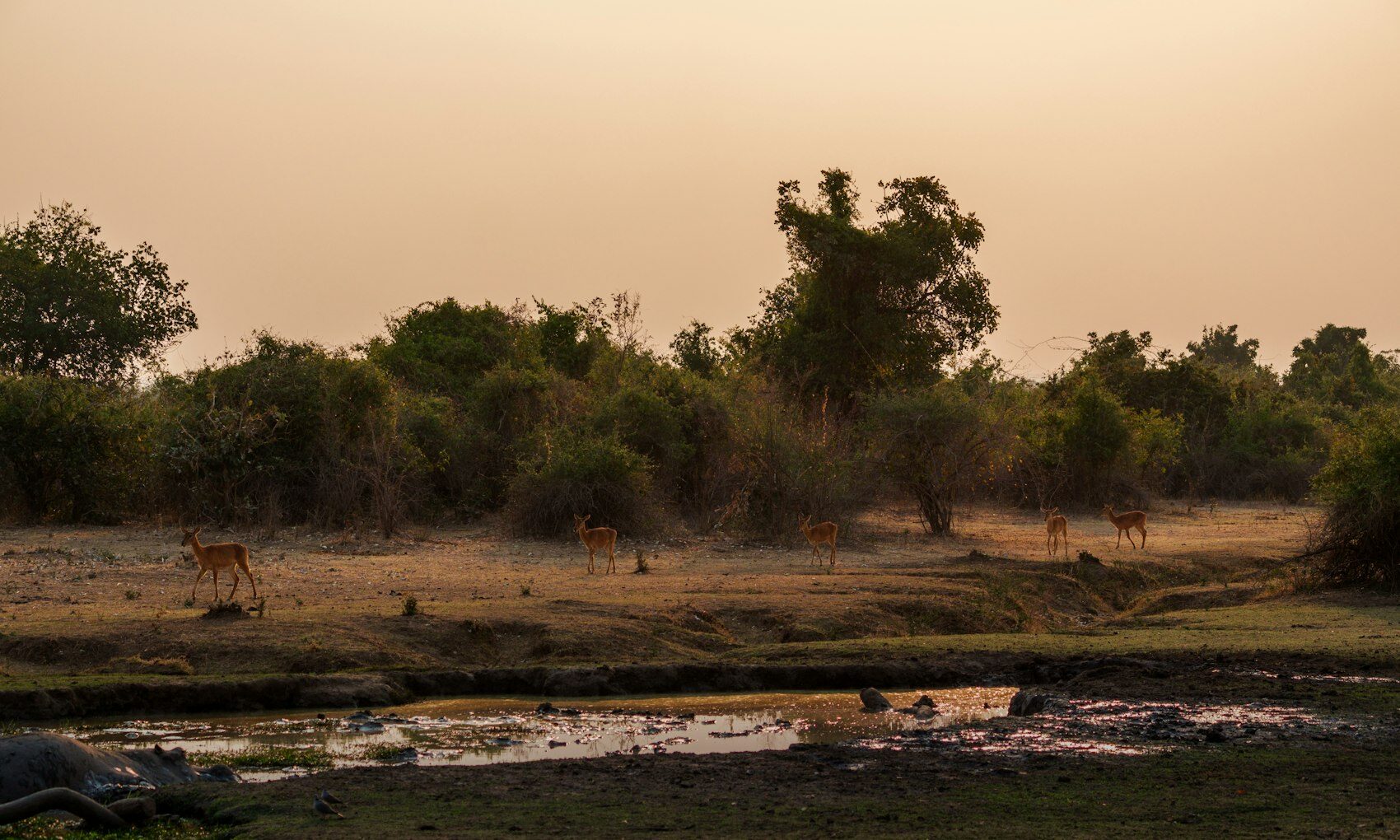
Private, privately owned bushveld properties across the Eastern Cape, Limpopo and the Karoo.
Tour The Eastern Cape →Kudu, Cape buffalo, sable, nyala, gemsbok and wildebeest — Southern Africa’s classic species.
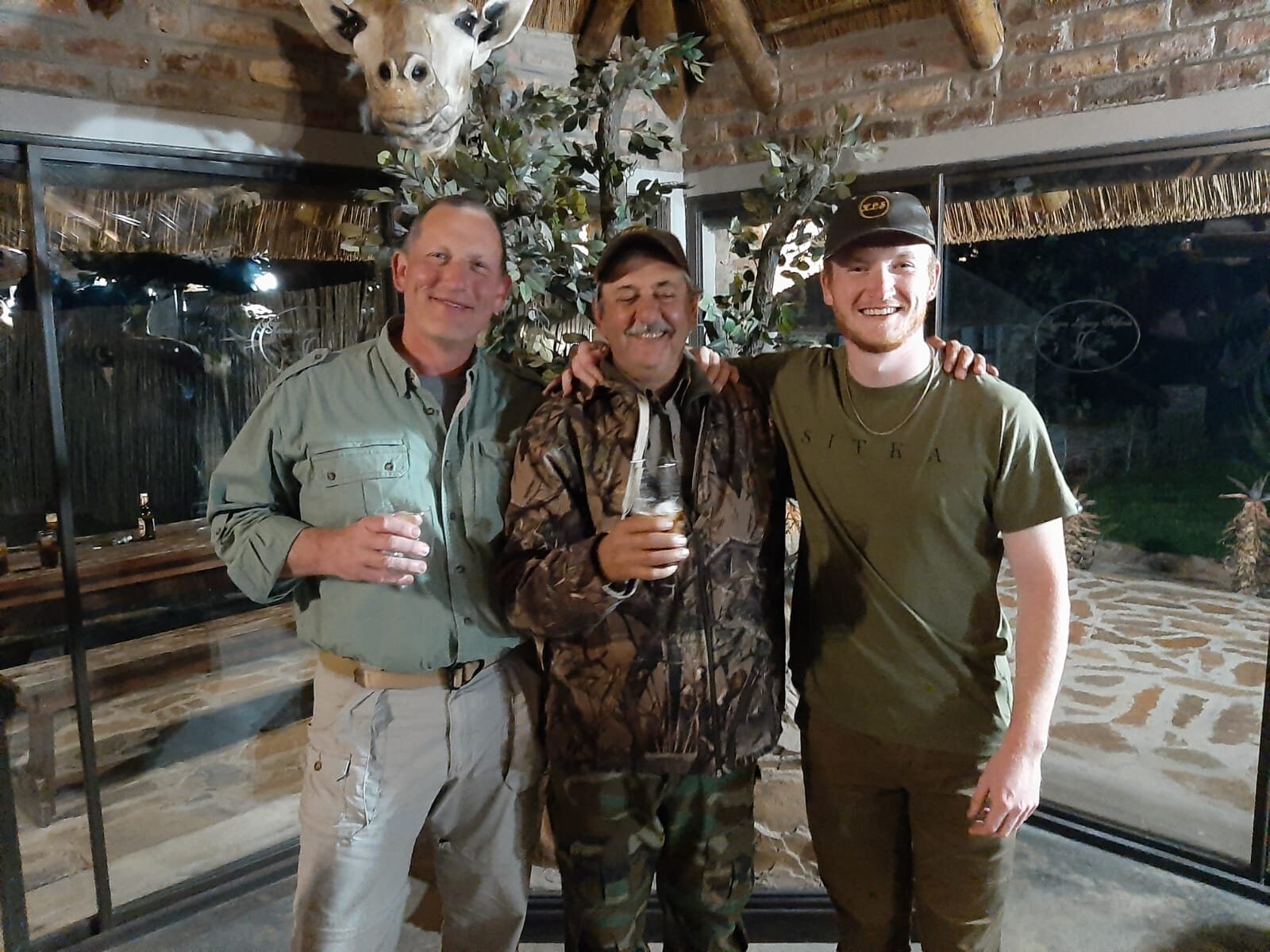
Meet The Species →A hunting safari with us is never bought off a shelf. Anthony Schenk is an Outfitter with more than 28 years in hunting and tourism, and every trip is built around the people coming.
Private, carefully chosen properties in the Eastern Cape, Limpopo and Karoo, plus Southern Zimbabwe. Track kudu, Cape buffalo, sable and more, at your own pace, finishing each day around a fire with the people you came with.
Species we hunt: Kudu, Sable, Cape Buffalo, Nyala, Gemsbok, Wildebeest, Impala, Eland, Waterbuck, Springbok, Blesbok, Bushbuck, Warthog, Zebra and many more.
South Africa · Zimbabwe
Five pages on what a safari week with us actually feels like — from the drive in to the last evening around the fire.
 1
We collect you at the airport and the drive in is the first part of the trip rather than the boring bit before it. Somewhere along the way the tar ends, the phone signal goes, and everyone stops talking about work.
The first afternoon is easy on purpose. Check your rifle over the sticks, walk a little of the ground, meet the trackers, and eat something while it gets dark. You will sleep better than you have in months.
2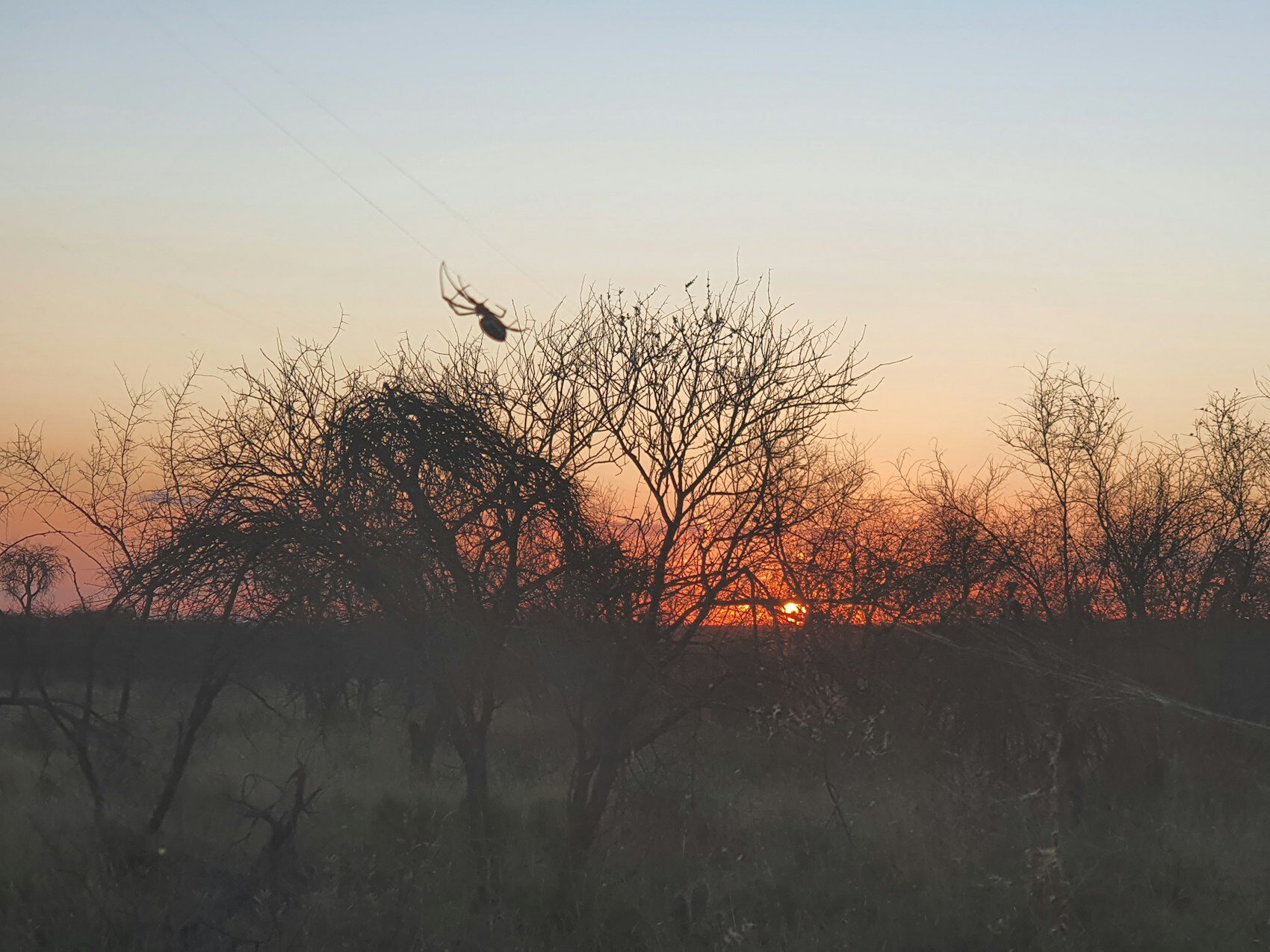 3
You are up before the birds with coffee in your hands and the air cold enough to notice. Nobody hurries, but nobody is late either — the first hour after light is worth three in the middle of the day.
Then it is walking. Reading what crossed the road overnight, working out how old it is, and letting the trackers do what they have done since they were children.
4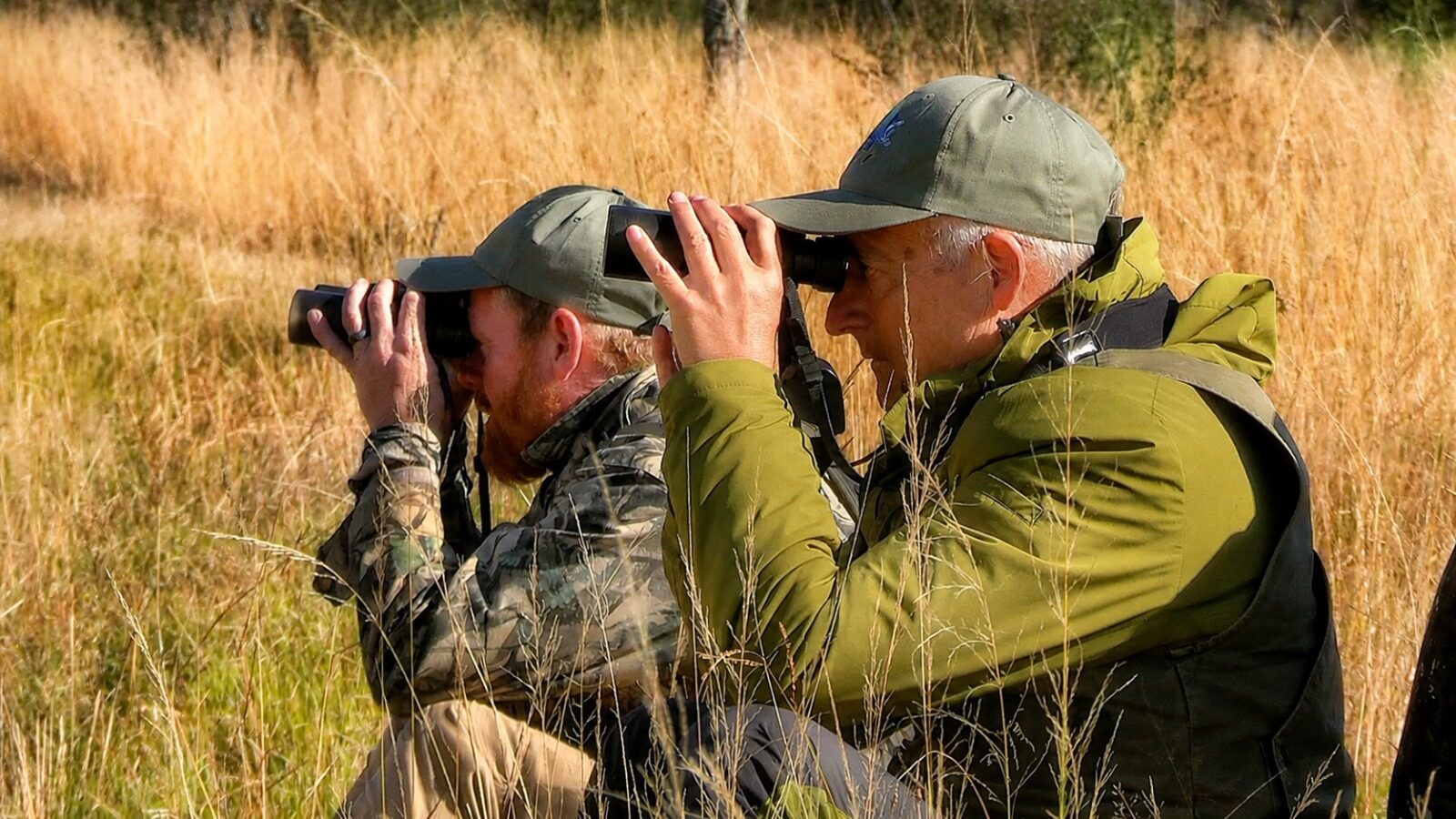 5
Most of a hunt is looking. Glassing a slope, waiting out the wind, backing off an animal that has not given you the shot you want and starting again tomorrow.
Anthony will turn down more than he takes, and he will tell you why. That is the difference between a safari you are proud of and a photograph you would rather not show anyone.
6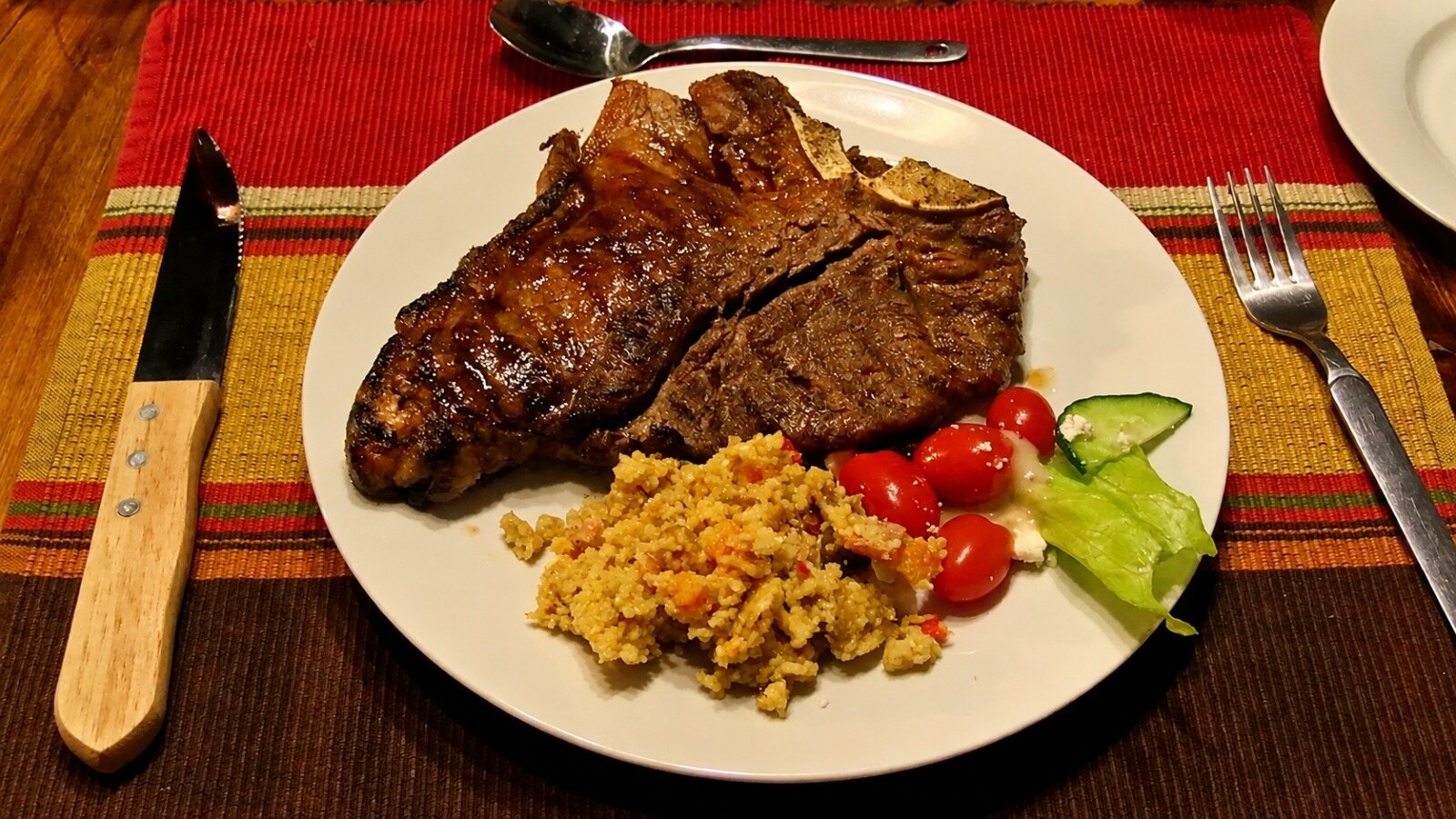 7
When the heat comes up everything sensible lies down, and so do you. Lunch, a sleep, a swim if there is water, and the afternoon plan gets argued over properly.
Guests who brought partners or children usually find this is when the rest of the trip happens — a drive, the coast, a town, a round of golf. Nobody sits waiting for you.
8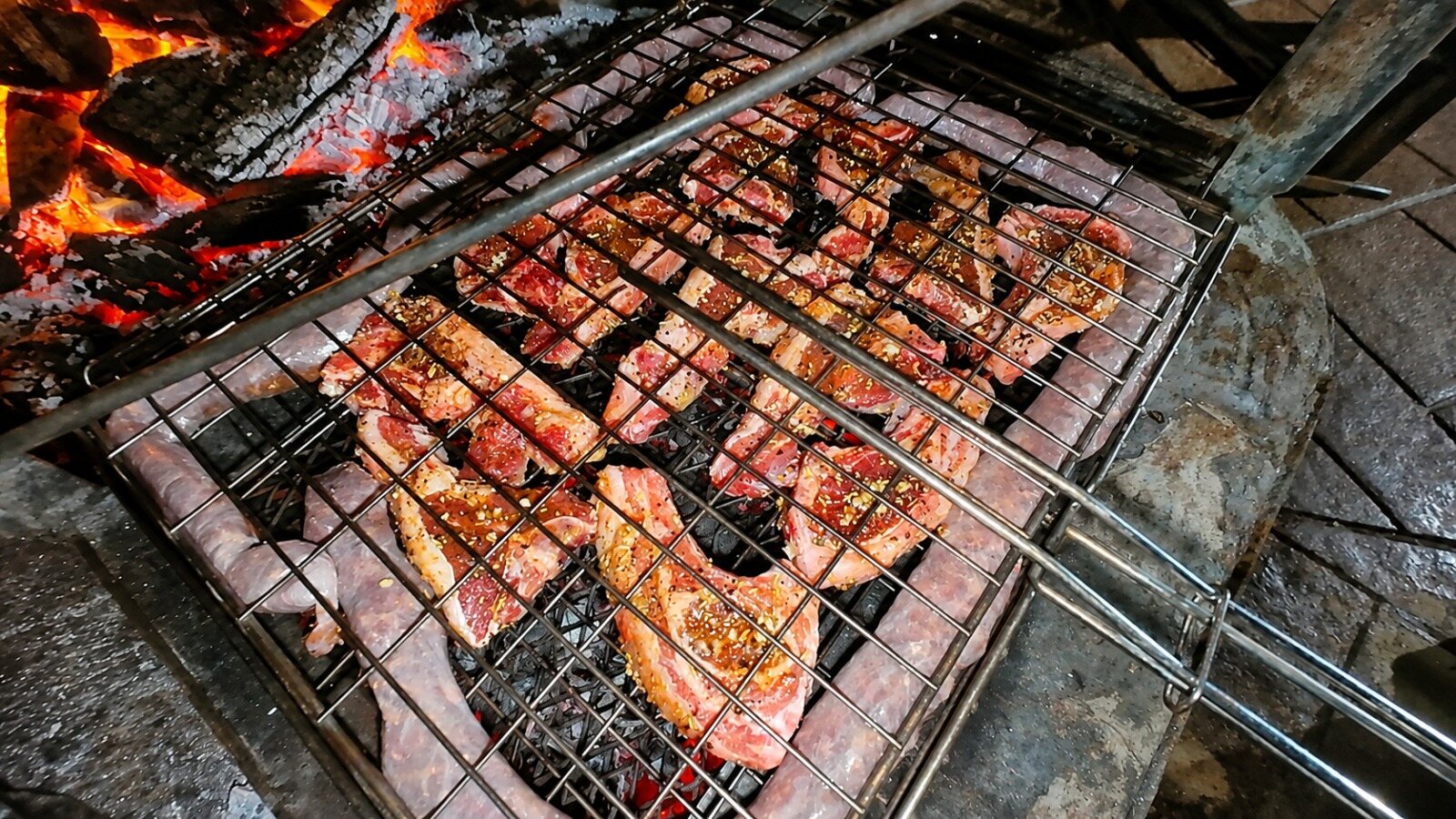 9
The final night runs longer than the others. The fire gets built up, the week gets retold with the near-misses included, and somebody always says they will come back next year.
Most of them do. Your trophies are prepared, the paperwork is handled while you travel, and we are already talking about where you should go next time.
10
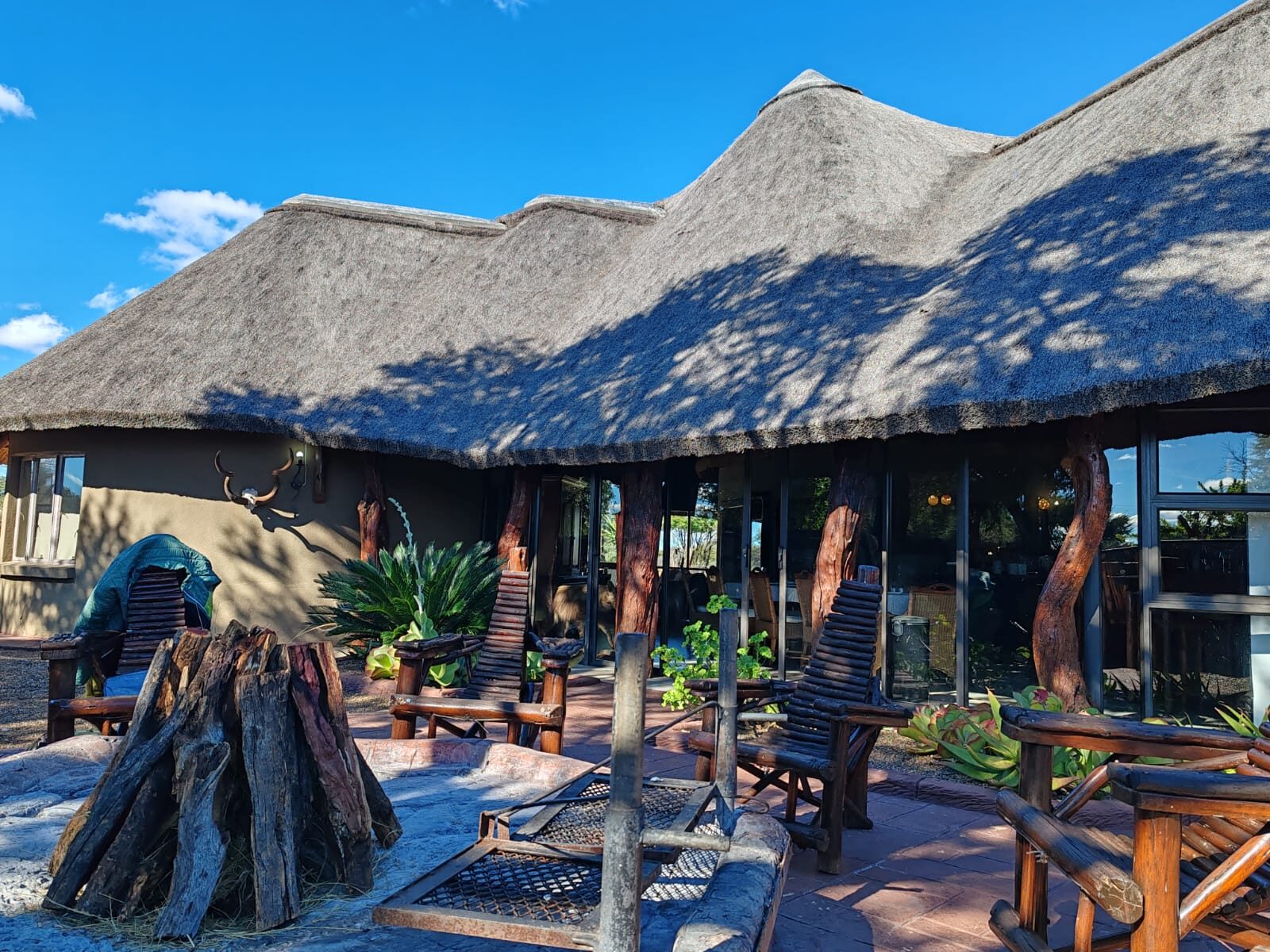
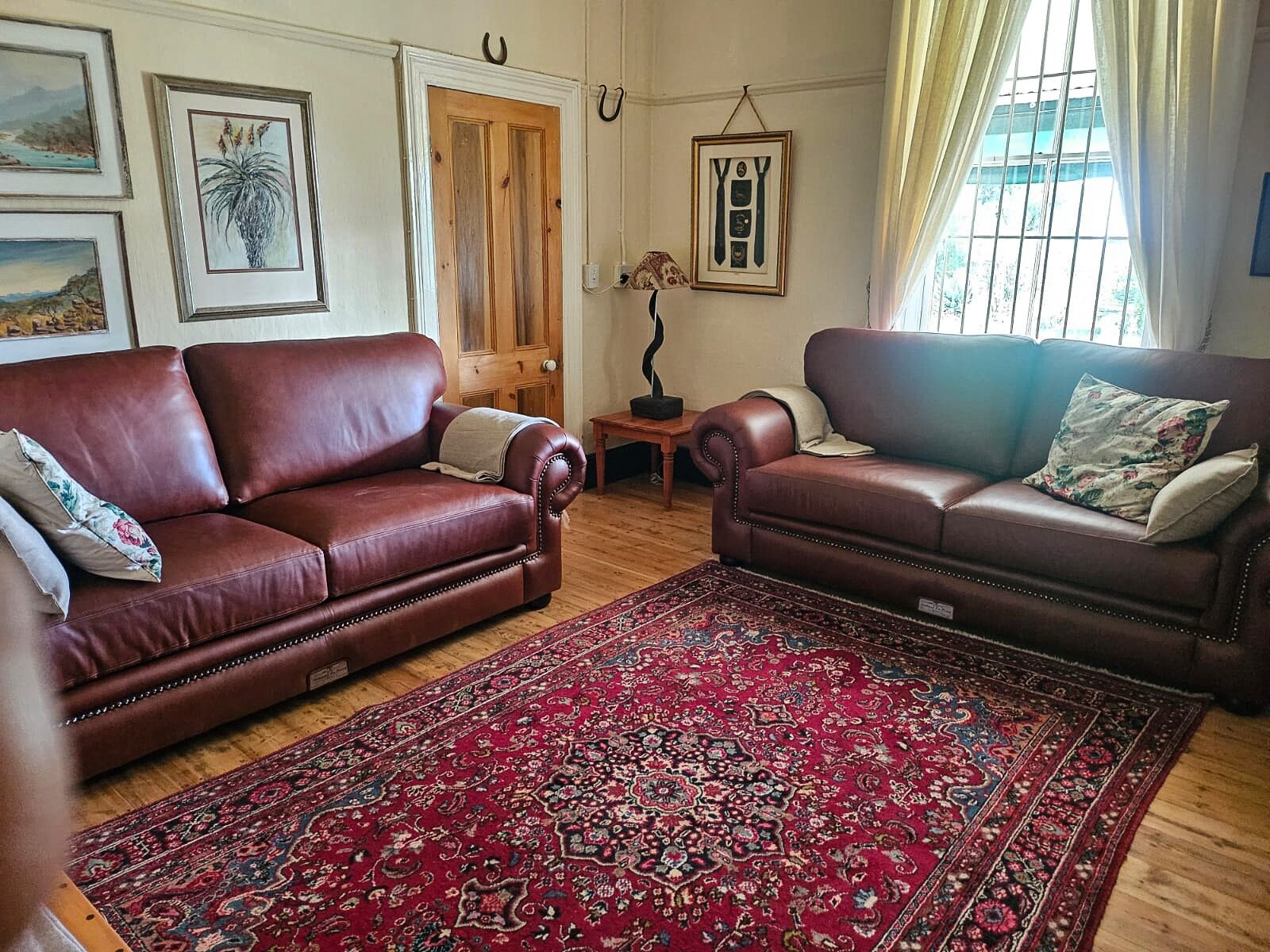
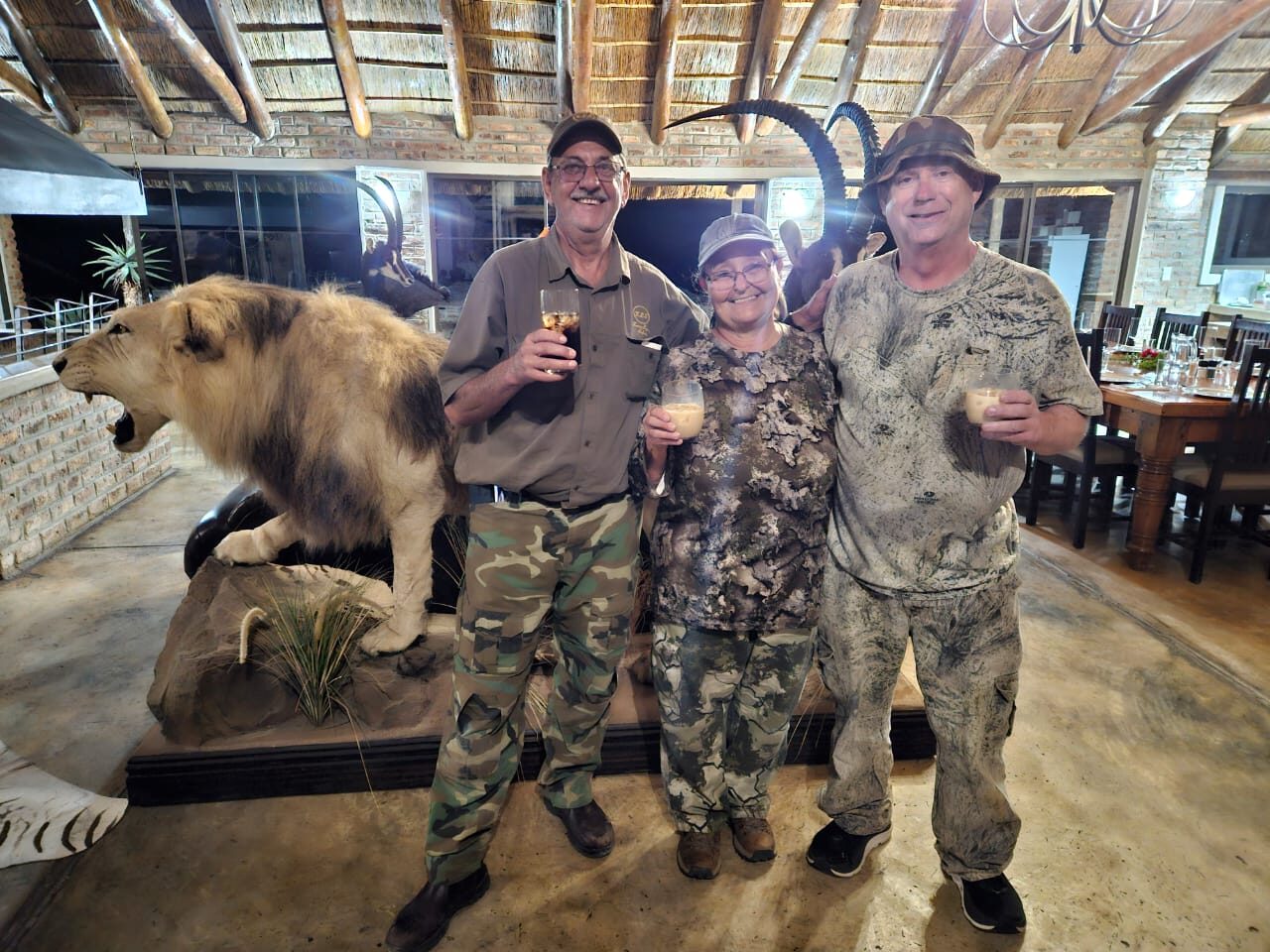
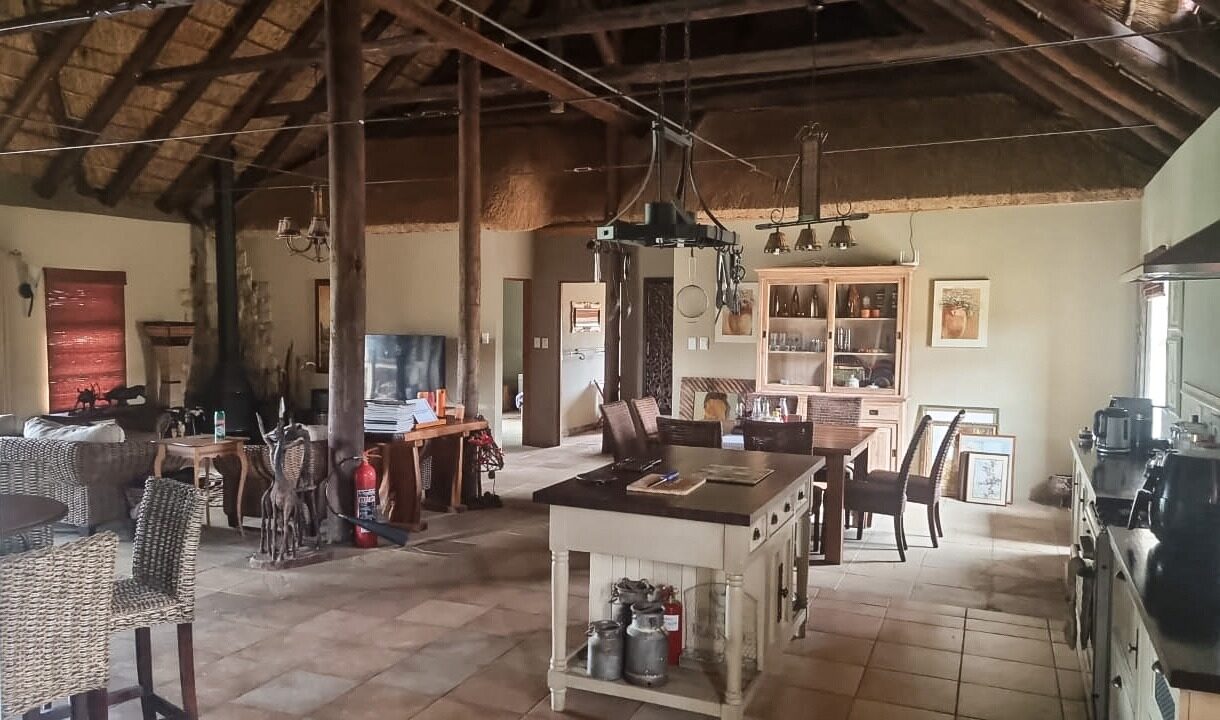
Accommodation is chosen for where the hunting actually is, not for a brochure — tented camps and permanent lodges, comfortable, quiet and small enough that you are not sharing a dining room with sixty strangers. Wifi is available at all the lodges.
Evenings run the same way wherever you are. Everyone back in, a fire, and the day retold with the parts that went wrong included. It is as much of the trip as anything that happened in daylight.
You are met at the airport and looked after from there. The list below is handled for you — you bring yourself and your kit.
A hunting safari with us is never bought off a shelf.
Anthony conducts hunting safaris in South Africa himself from mid-February to around mid-July, then moves to Nosy Be for the rest of the year.
Every hunt in this window is guided start to finish by Anthony.
Book inside the window →Rutting season and the peak of the hunting season — especially on the dark moon.
Ask about April and May →Heading into winter the bush thins out, which makes the tracking easier.
Seasons in detail →Anthony moves to Nosy Be around mid-July, so a hunt can run straight into island time.
Add Nosy Be →Anthony is not hunting in South Africa. Ask us before you plan these months.
Ask about your dates →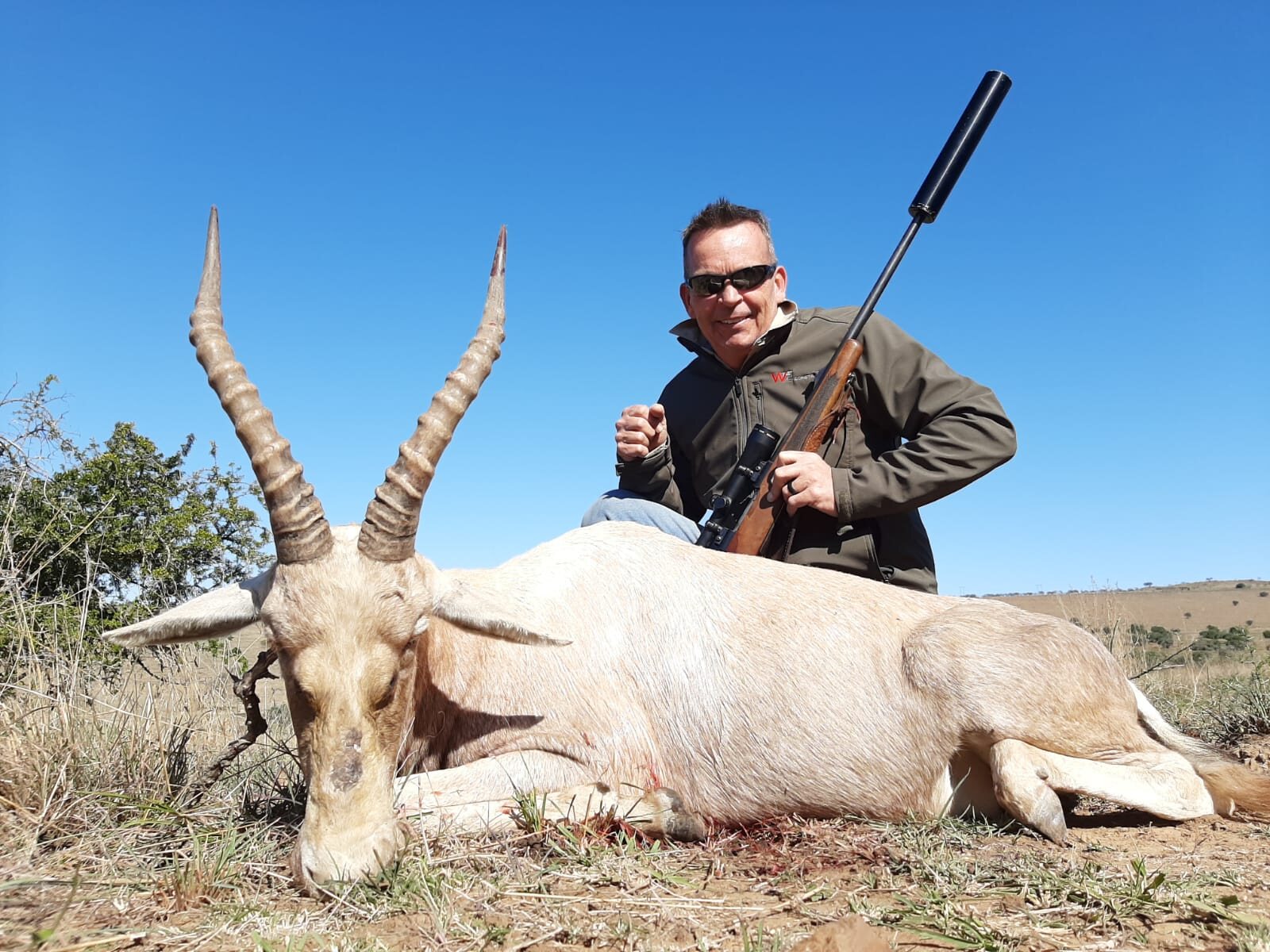
A white blesbok trophy.
Across South Africa — the Eastern Cape, Limpopo and Lowveld bushveld and the Karoo — as well as Southern Zimbabwe. The area we recommend depends on the species you want and the time of year.
Hunting safaris run from mid-February to mid-July, when Anthony is guiding in South Africa. The later months, heading into winter, bring thinner bush, easier tracking and mild days.
No. Rifle hire is available for guests who would rather not travel with one.
Yes, and many do. Photographic game drives, the Garden Route, the winelands, golf and cultural trips all run alongside a hunting itinerary. Groups often split during the day and come back together at night.
Yes, trophy export arrangements are organised as part of your safari.
Most guests come for seven to ten days of hunting. Shorter is possible, but it leaves little room for weather or for a species that is not co-operating.
Not at all experienced. We take complete first-timers as well as hunters who have been coming to Africa for decades.
Get in touch with what you have in mind — who is coming, roughly when, and what you want to hunt — and we will quote the trip individually.
Tell us your dates, your party and what you would like on the list. We will come back with a real plan and an honest view of what fits.
Rough dates and who is coming is enough to start. No lengthy booking form, no card details.
If the days you have will not cover it, we say so up front and adjust rather than take the booking and disappoint you.
Nothing sold off a shelf. Priced against your dates, group and interests — in USD, Euro or ZAR.
Land-based four to sixteen, live-aboard six to eight, big-game fishing four to five. Never a crowd.
Ask On WhatsApp Request A Quote
We respect your privacy under South Africa’s POPIA. This site does not use advertising cookies. With your permission we use Google Analytics to see which pages are useful; otherwise it uses only what it needs to work and stay secure, plus a few trusted services (Google Fonts, Cloudflare security, and on our Contact page the tools that check phone numbers and dates). Choose what you are happy with — you can change it any time under “Privacy settings” at the foot of every page. Read our Privacy Notice.
Keeps the site working and secure (Cloudflare) and remembers this privacy choice. These cannot be switched off.
Google Analytics shows us which pages are useful and how visitors find us. It sets cookies (_ga) and only runs if you allow this.
Would allow advertising or social-media tracking. We do not use any at present; if we ever do, they only run if you allow this.