
Marlin, Sailfish And Giant Trevally. Sorted Before You Land.
Every option includes tackle and crew. Choose how you want to live while you fish.
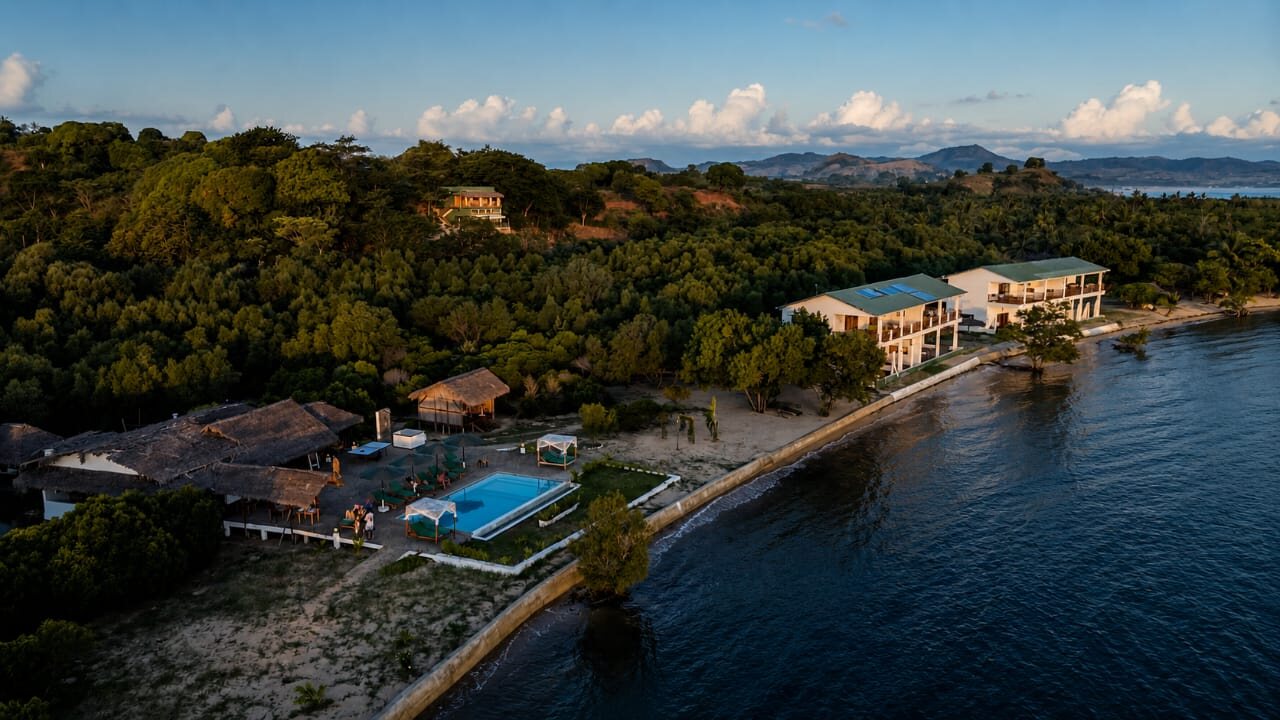
A lodge, a proper bed and a shower every night, with the boat out each morning. It suits mixed groups where not everyone is fishing every day.
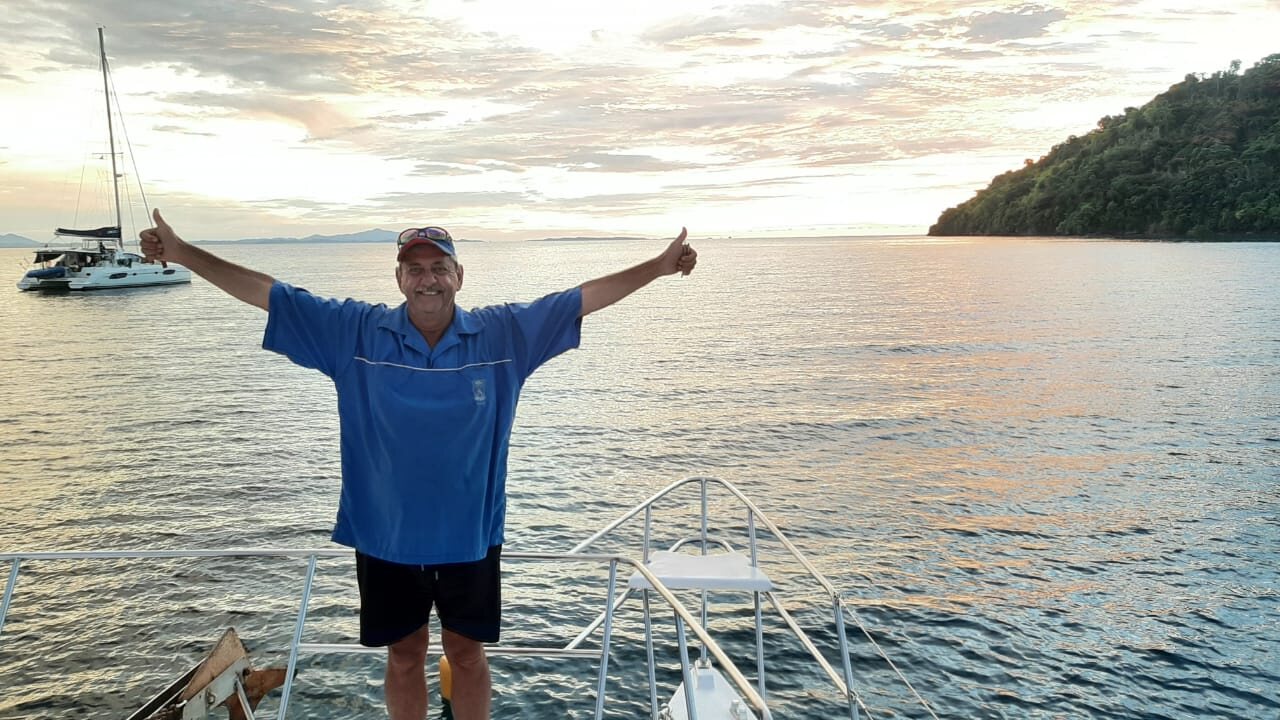
Seven nights split in two: four days and three nights on a double-hull catamaran, then four nights in a land-based lodge.
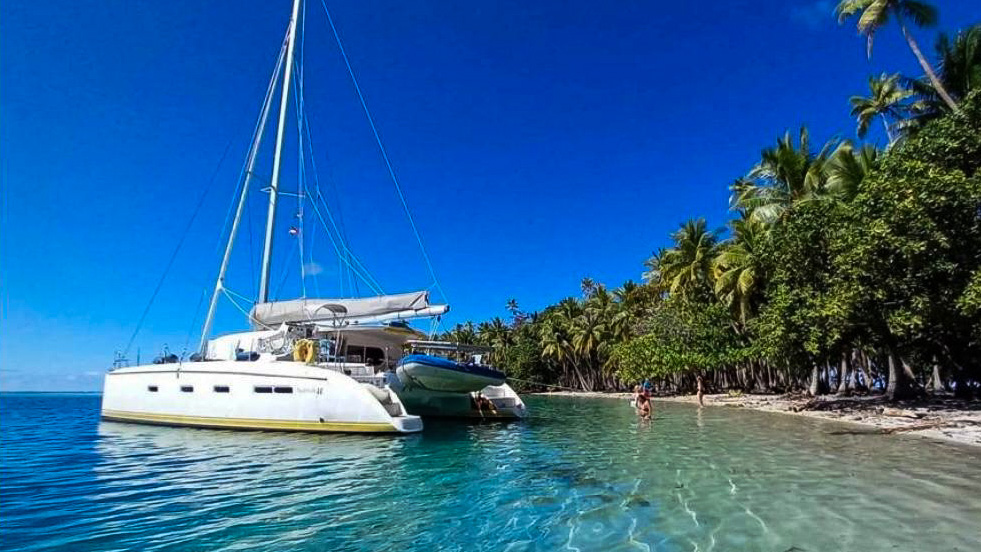
The catamaran is your home and takes you to the grounds. The standard run is Monday to Saturday morning — five and a half days of fishing — with ten and fourteen-day options.
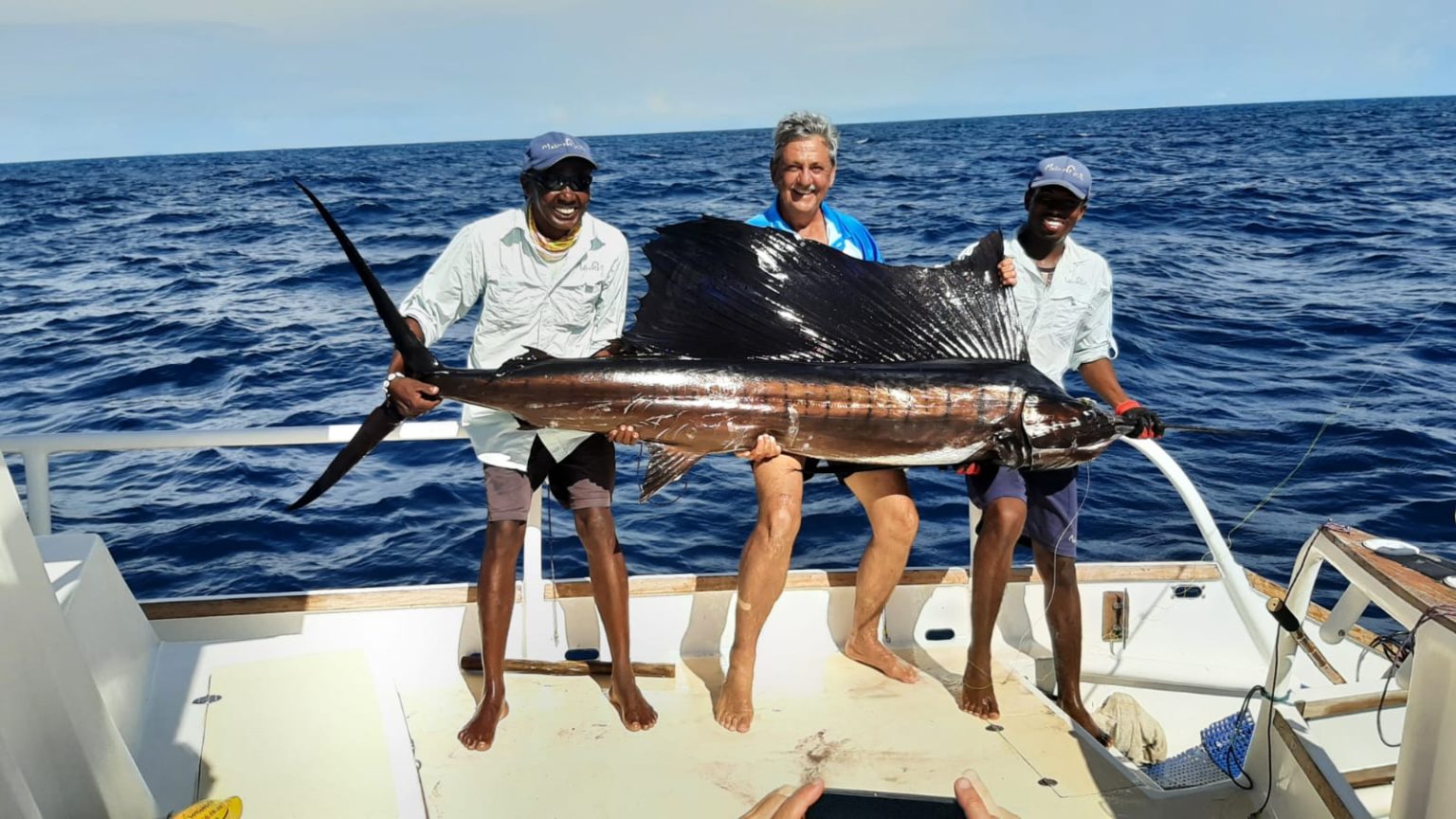
A dedicated big game fishing holiday for Giant Trevally, black marlin, sailfish and tuna. We practise tag and release, and August and September are the peak billfish months.
Trolling covers ground and finds billfish and tuna. Surface popping over structure at first light is where the giant trevally live. Slow-pitch jigging works the deep water when nothing is showing up top, and bottom fishing keeps everyone busy on a quiet tide.
Fly fishing is on the table too. If you have never done any of it, this is a forgiving place to start — the crew talk you through it and the fish are obliging enough to make it worth trying.
From casting off the rocks to running the drop-offs on a rigged game boat — every rod bends the same way once something takes it.
Land-based or live-aboard on Madagascar’s north-west coast, a short flight from Johannesburg.
Plan Your Nosy Be Trip →Blue marlin, sailfish, tuna and giant trevally over reefs and drop-offs that see little pressure.
See Fishing Techniques →Nosy Be sits off the north-west coast of Madagascar, and the water around it is the reason people keep coming back.
Blue marlin, sailfish, tuna, giant trevally and dogtooth, fished by trolling, surface popping, slow-pitch jigging, bottom fishing, rock & surf casting or fly fishing — over reefs and drop-offs that see a fraction of the pressure you would find elsewhere.
Nosy Be, Madagascar
Five pages on how a week at Nosy Be actually runs — the early starts, the quiet days, and the evenings nobody wants to end.
 1
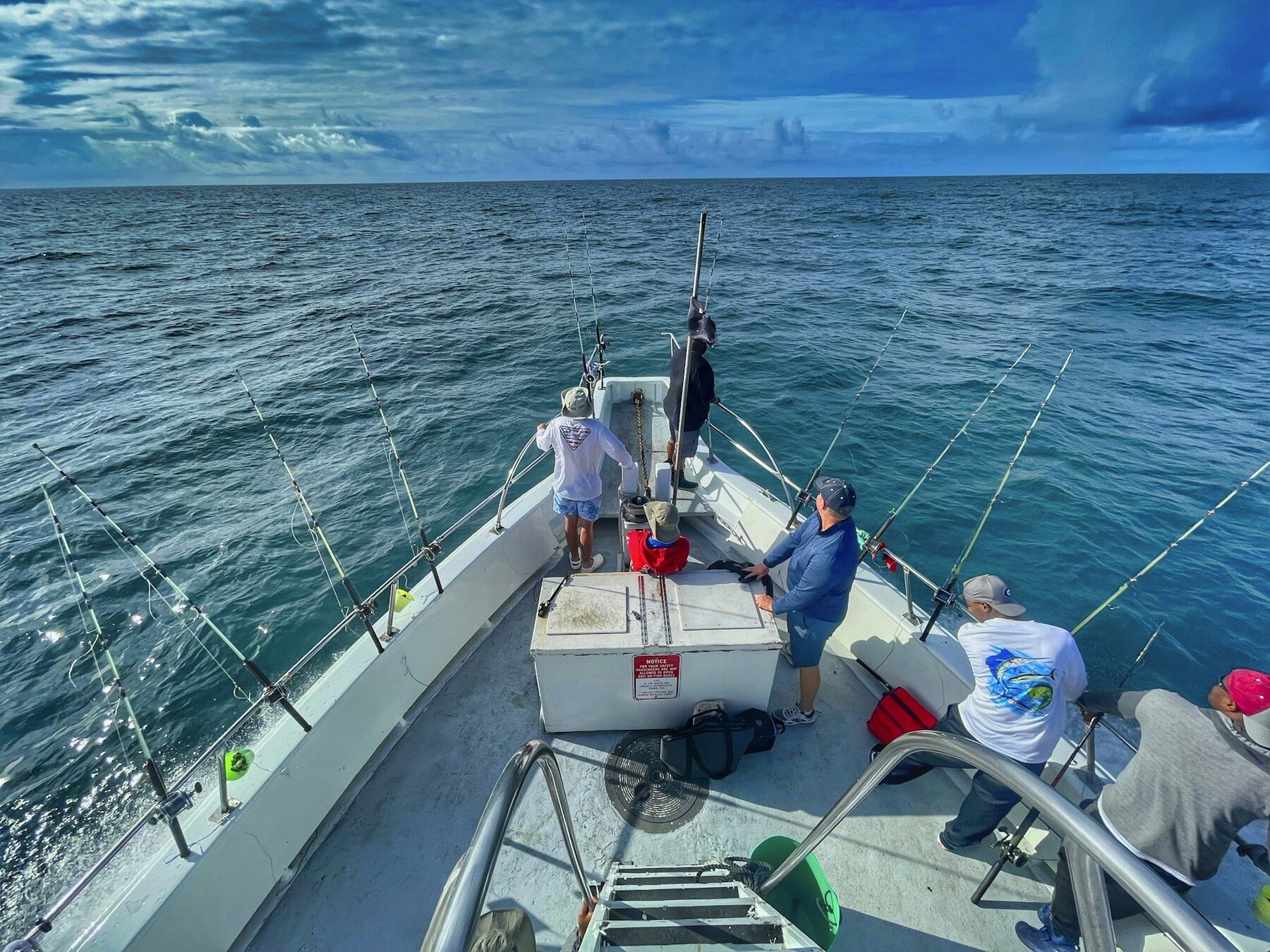
You land, you are met, and you are usually on the water the following morning. The crew rig everything, so the only decision is what you want to chase first.
The first day is partly about finding out what you enjoy. Some guests want billfish and nothing else; most discover by lunchtime that they would rather throw poppers than sit behind a spread.
2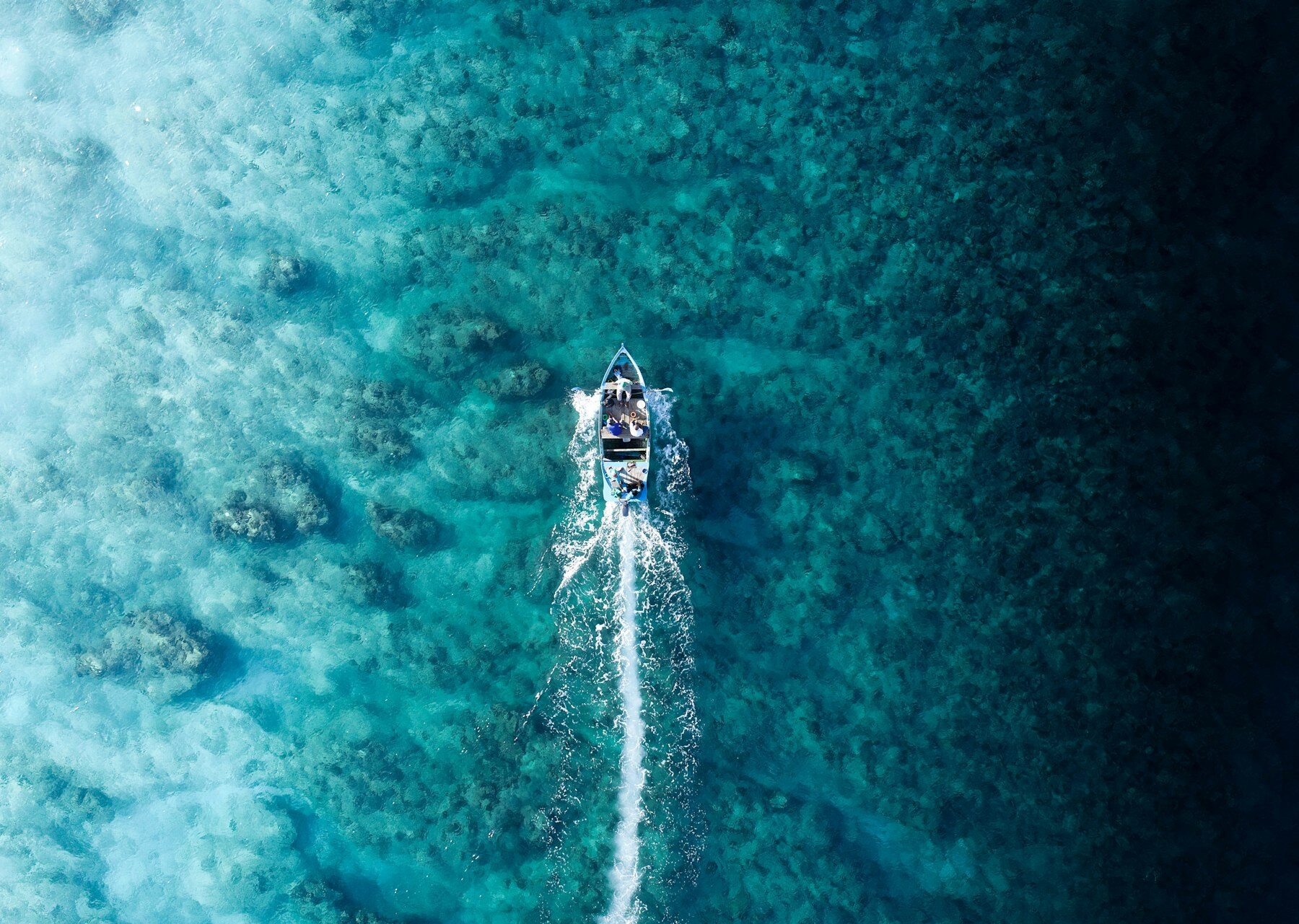 3
The drop-offs and reefs sit far enough out that the run is part of the day — flying fish off the bow, islands going past, and nobody else on the water.
This is the stretch people photograph without meaning to. It looks exactly like the brochure, except it is Tuesday and you are actually there.
4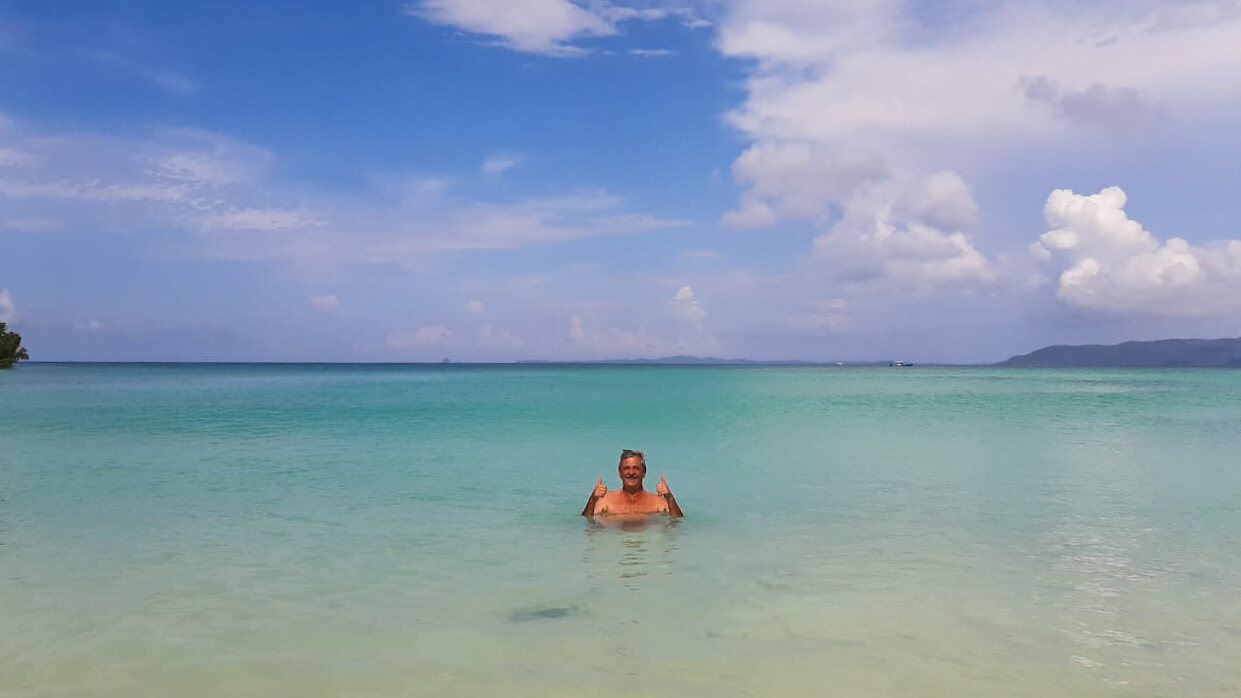 5
Not every day fires, and the good ones know what to do about it. Drop onto the reef, put a mask on, and the day turns into something else entirely.
Turtles, rays, coral in three metres of water, and lunch on the back of the boat. Guests who came purely to fish often rate these afternoons highest.
6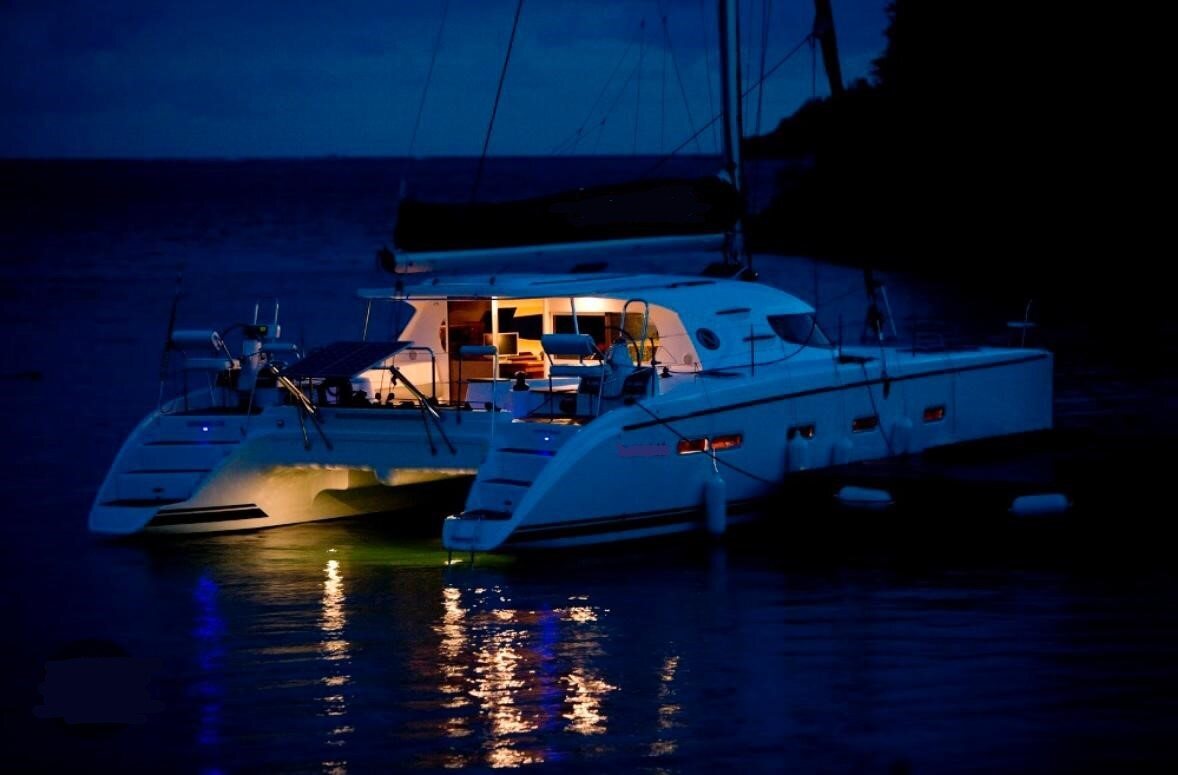 7
On a live-aboard week you go to sleep at anchor and wake up already where you need to be. No transfer, no run out, just breakfast and lines in.
Cabins are proper cabins, the food is good, and the difference in fishing hours across five and a half days is bigger than people expect.
8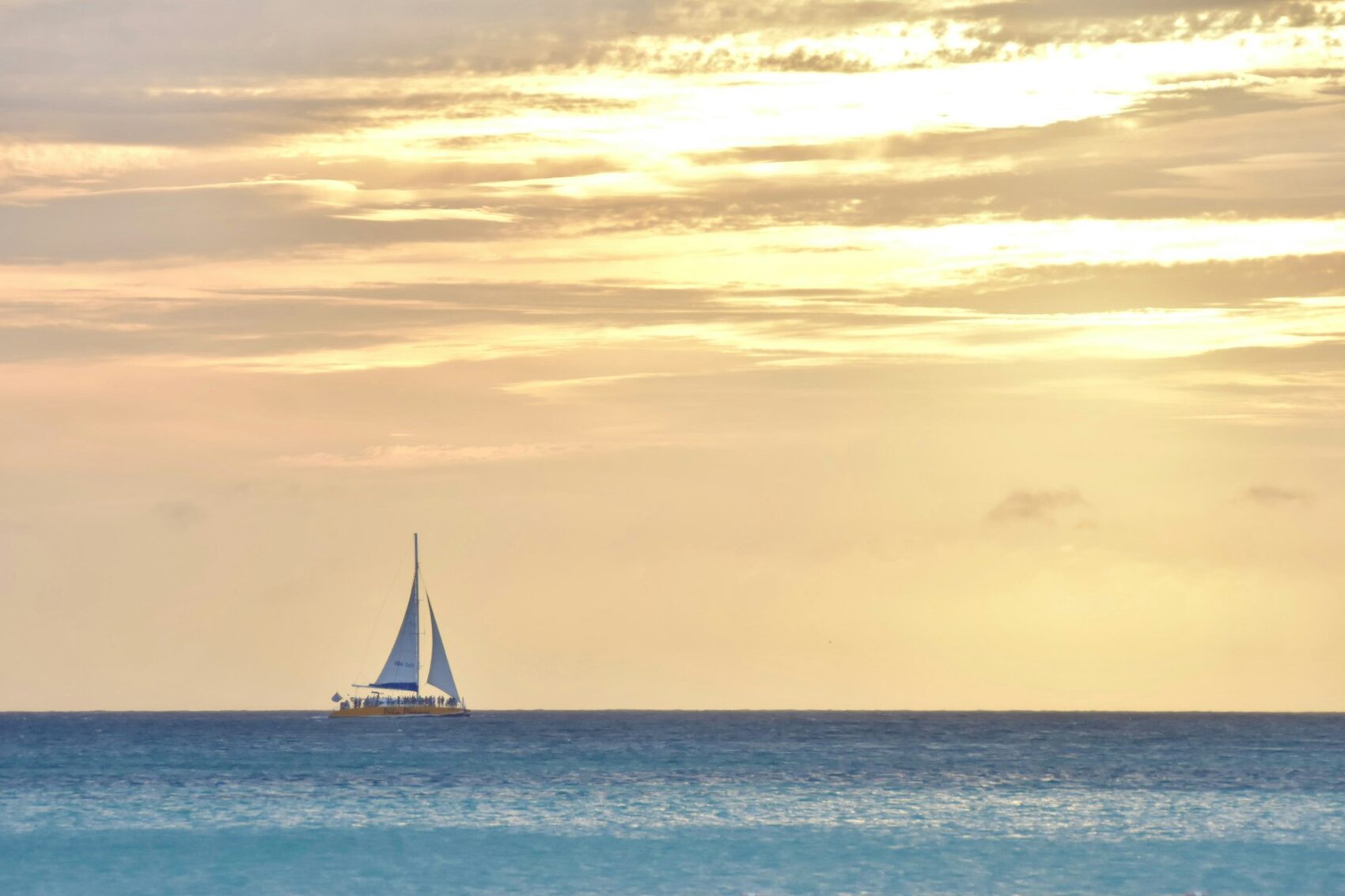 9
Everything stops for the sunset here, and it is worth stopping for. Then it is dinner, and after that whatever you feel like — the island has a genuine night out in it if you want one.
Ylang-ylang on the air, music somewhere, and a boat leaving again at first light. It is a very easy week to extend.
10
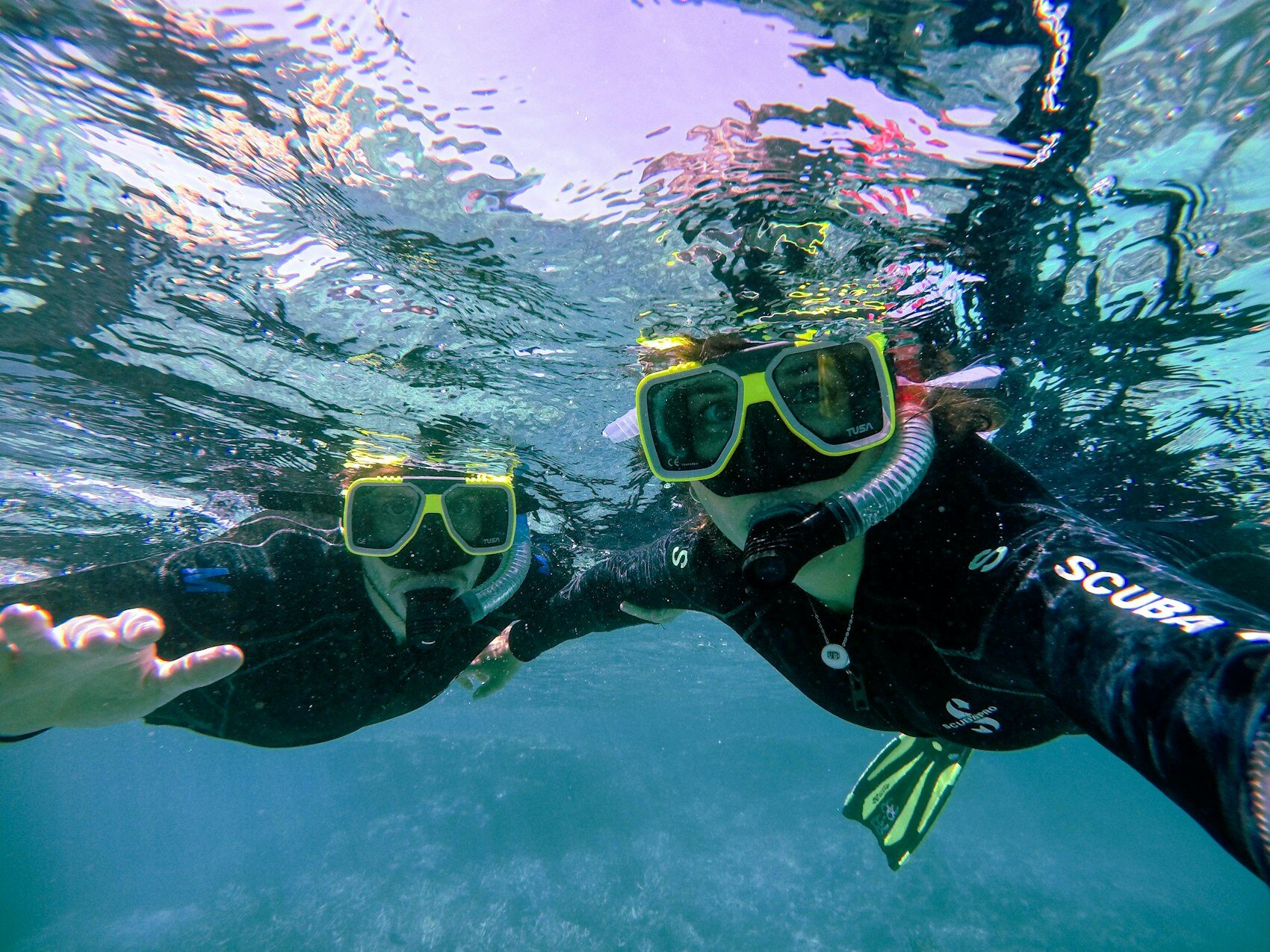
The reefs here are shallow, warm and unusually easy to snorkel, so much of the best of it sits in a few metres of water. Turtles, rays and reef fish are all common, and whale sharks pass through in season.
Beyond the water there are lemurs on Nosy Komba, the Iranja islands, scuba, quad biking, horse riding, vanilla and ylang-ylang plantations, village visits and a proper island night out. Non-fishing partners are rarely bored.
Fishing days book as their own excursion, and the rest of the list keeps non-fishing partners busy while you are out.
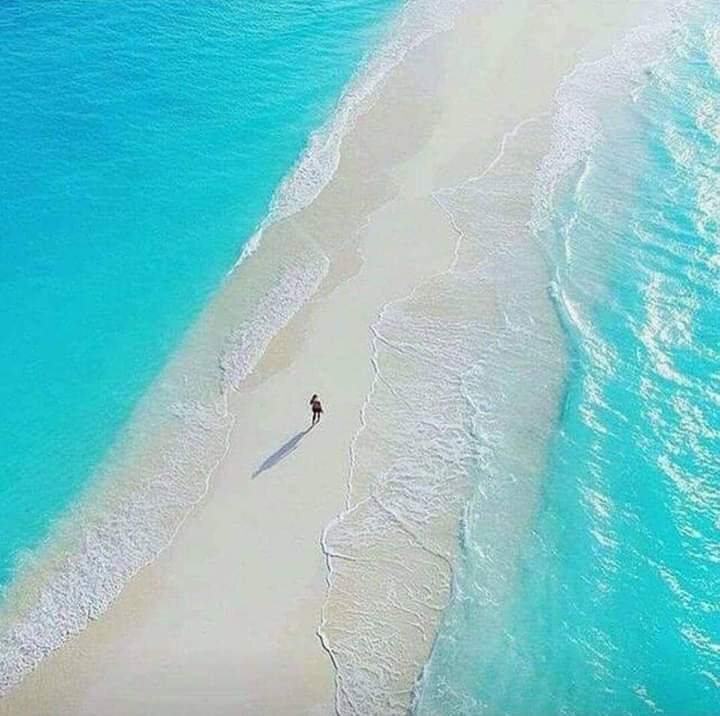
We meet you at the airport and the rest is handled. Here is what sits inside the package.
The fishing is the reason you come. The way the trip is run is the reason people come back.
Nosy Be trips run from 1 April to mid-January. Choose your weeks around what you most want on the end of the line — or in the water beside you.
Fishing trips run right through this window, one to three weeks at a time.
Pick your weeks →The peak of the billfishing season, with humpback whales in the channel too.
Trolling for billfish →Whale sharks pass through — worth a day swimming with them between fishing days.
Island experiences →Cyclone and rainy season on Nosy Be. No trips run until 1 April.
Nosy Be travel tips →Land-based or live-aboard, a week or three — tell us the dates and the group and we will put the trip together.
Rough dates and who is coming is enough to start. No lengthy booking form, no card details.
If the days you have will not cover it, we say so up front and adjust rather than take the booking and disappoint you.
Nothing sold off a shelf. Priced against your dates, group and interests — in USD, Euro or ZAR.
Ask On WhatsApp Request A Quote
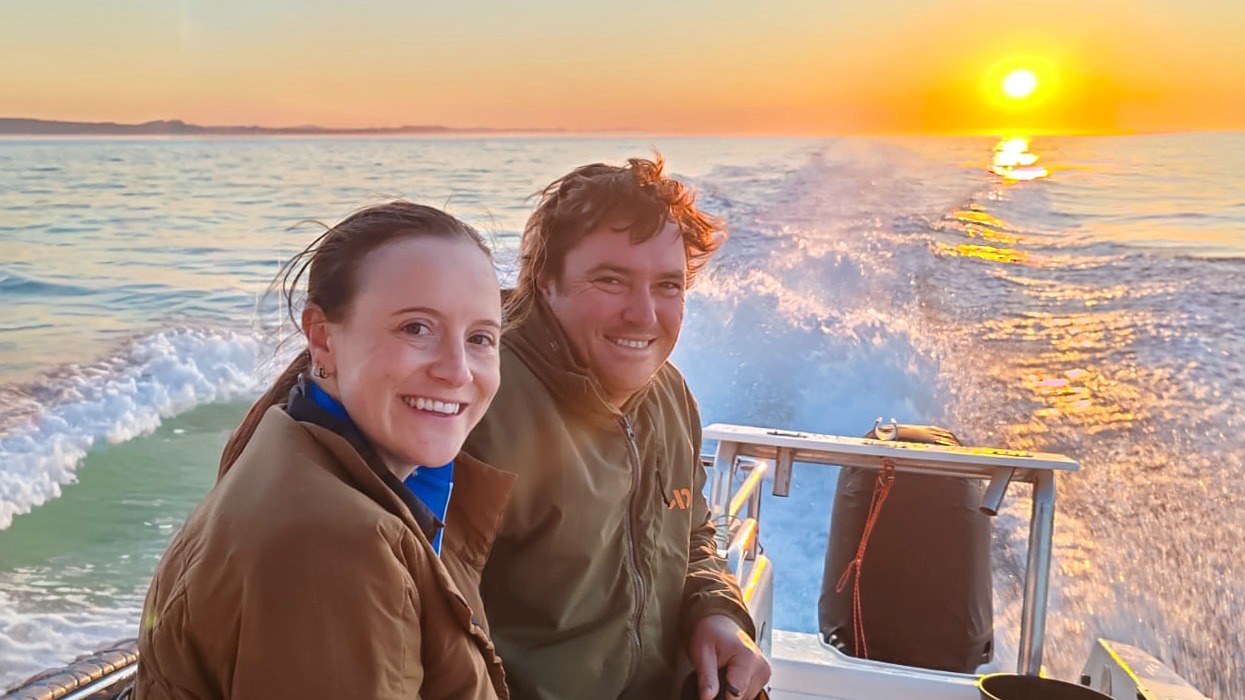
Heading out at first light off Nosy Be.
Tours run from 1 April to mid-January, and peak billfishing is in August and September. Scuba diving runs from April to November. From mid-January to the end of March it is cyclone season and no tours run.
Blue marlin, sailfish, tuna, giant trevally, dogtooth tuna and barracuda are the headline species, along with plenty of reef fish on the bottom.
Land-based suits guests who want comfort and island life between fishing days. Live-aboard suits those who want maximum time on the grounds. There is also a combined package with nights at sea and nights on the island.
The standard run is Monday to Saturday morning, which gives five and a half days of fishing. Extended trips of ten and fourteen days are available.
Airport transfers, accommodation, half-board meals, soft drinks, laundry and housekeeping, plus a fishing shirt and a massage. Flights, visas, premium beverages, gratuities and insurance are not included.
Absolutely, and plenty do. Snorkelling, diving, lemur and island tours, quad biking, plantation visits and beach days all run alongside the fishing.
No. Rods, reels and tackle are provided, and the crew will set you up whatever your experience level. You are welcome to bring your own, and we advise bringing your own jigs, lures and flies, extra hooks and a pair of fishing gloves.
Get in touch with your dates and group size and we will put a quote together for you.
Come and discover the wild beauty, culture, adventure and hospitality of Africa — and create stories you will tell for years to come.
Start Planning“Live life to the fullest; tomorrow may never come.”
We respect your privacy under South Africa’s POPIA. This site does not use advertising cookies. With your permission we use Google Analytics to see which pages are useful; otherwise it uses only what it needs to work and stay secure, plus a few trusted services (Google Fonts, Cloudflare security, and on our Contact page the tools that check phone numbers and dates). Choose what you are happy with — you can change it any time under “Privacy settings” at the foot of every page. Read our Privacy Notice.
Keeps the site working and secure (Cloudflare) and remembers this privacy choice. These cannot be switched off.
Google Analytics shows us which pages are useful and how visitors find us. It sets cookies (_ga) and only runs if you allow this.
Would allow advertising or social-media tracking. We do not use any at present; if we ever do, they only run if you allow this.