Seasons, Regions And Travel For Your Safari.
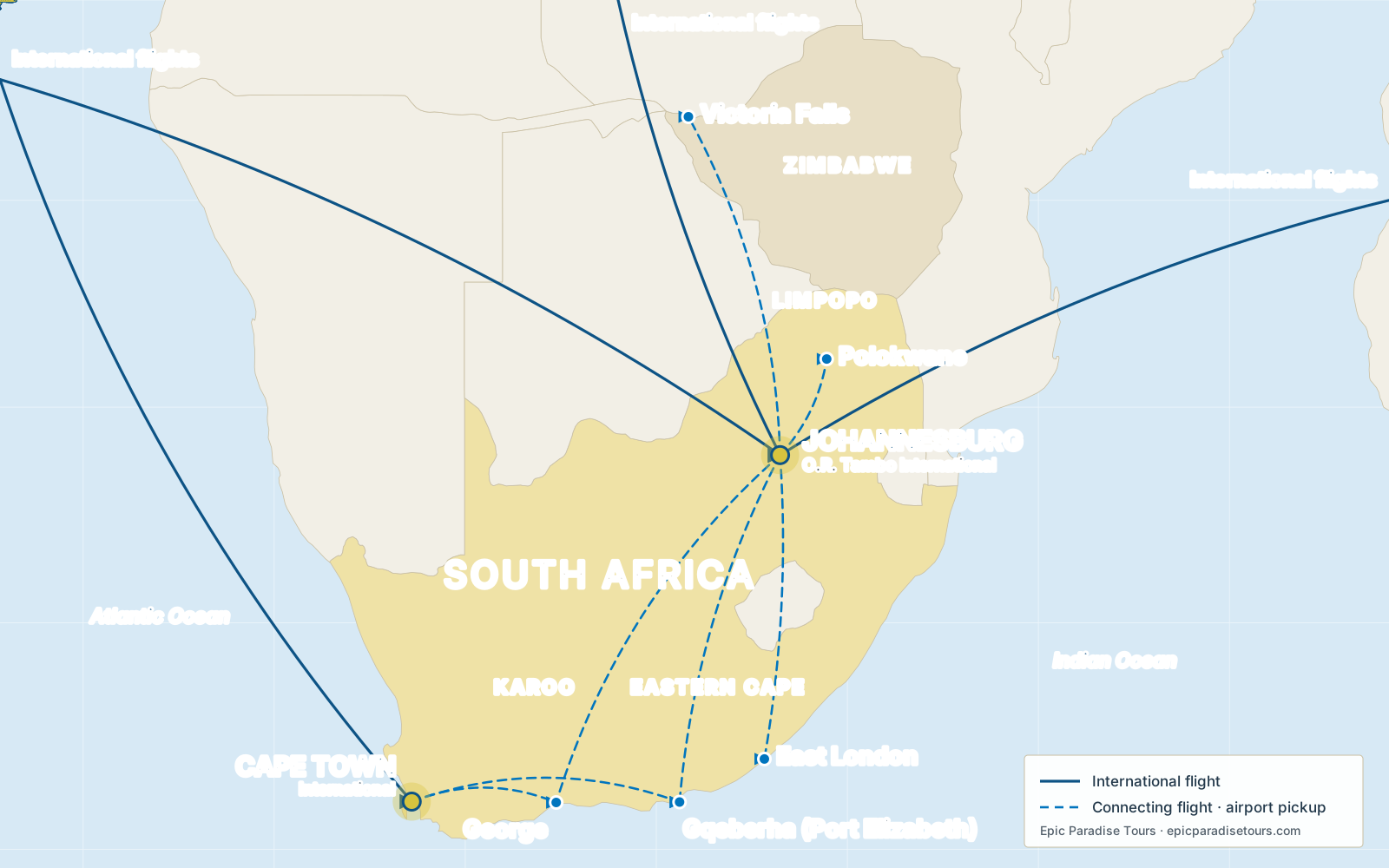
Most trips start with an international flight into O.R. Tambo in Johannesburg or into Cape Town, then a short connecting flight to the airport nearest your hunting area or lodge. We arrange pickup from your arrival airport, so you are never left working out transfers on your own. Adding the island? See the Nosy Be flight routes, or all our travel tips.
The practical side of a South Africa trip, one question at a time.
Anthony hunts South Africa from mid-February to mid-July. The later months of that window run into winter, when the vegetation thins and game gathers around water.
Most guests fly into O.R. Tambo International in Johannesburg and connect on to Gqeberha, East London or Polokwane, depending on the region. Airport pickup is arranged from there.
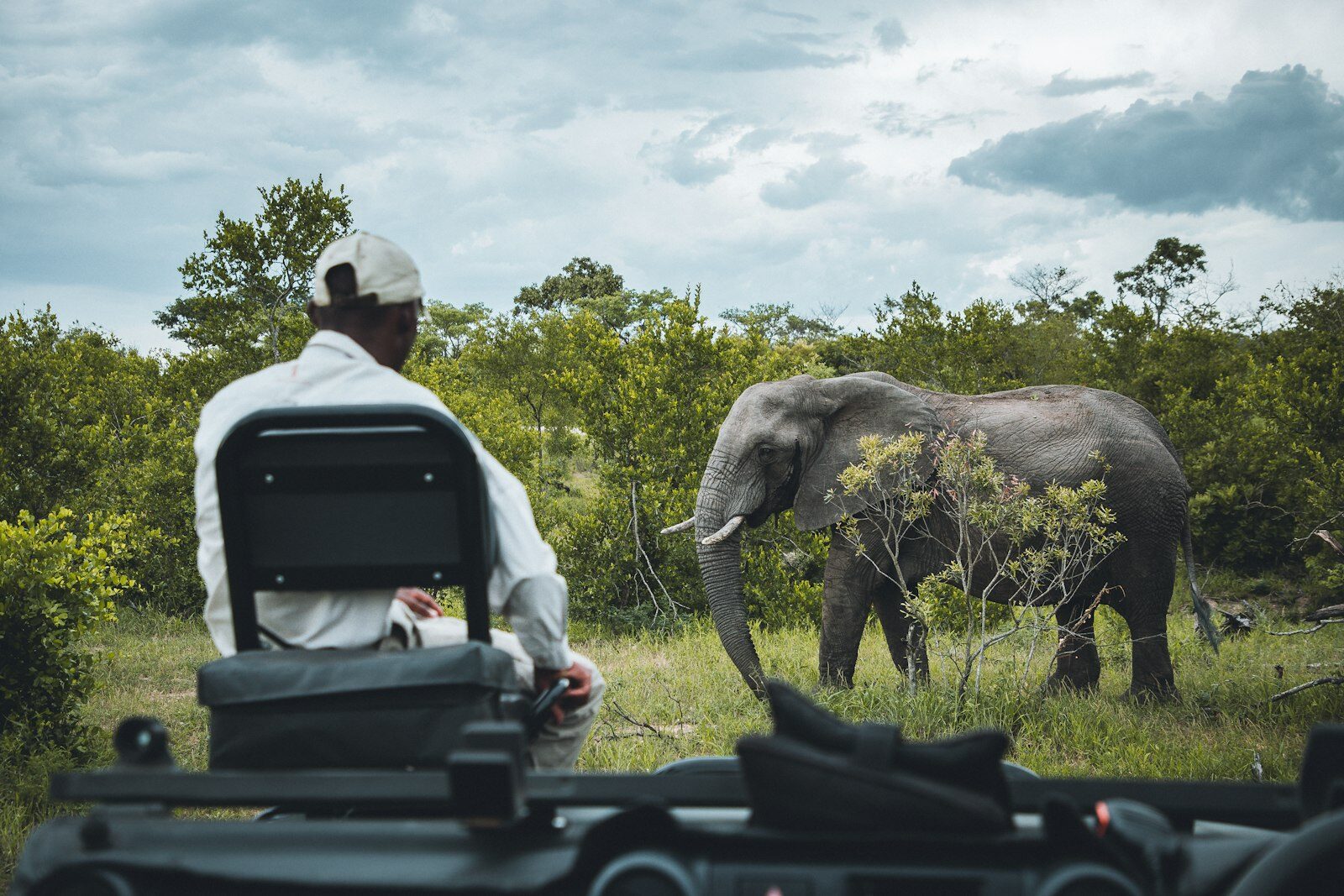
Most nationalities do not need a visa for tourism stays of up to 90 days. There is no malaria in the Eastern Cape or the Karoo. South Africa uses the Rand, and cards are widely accepted.
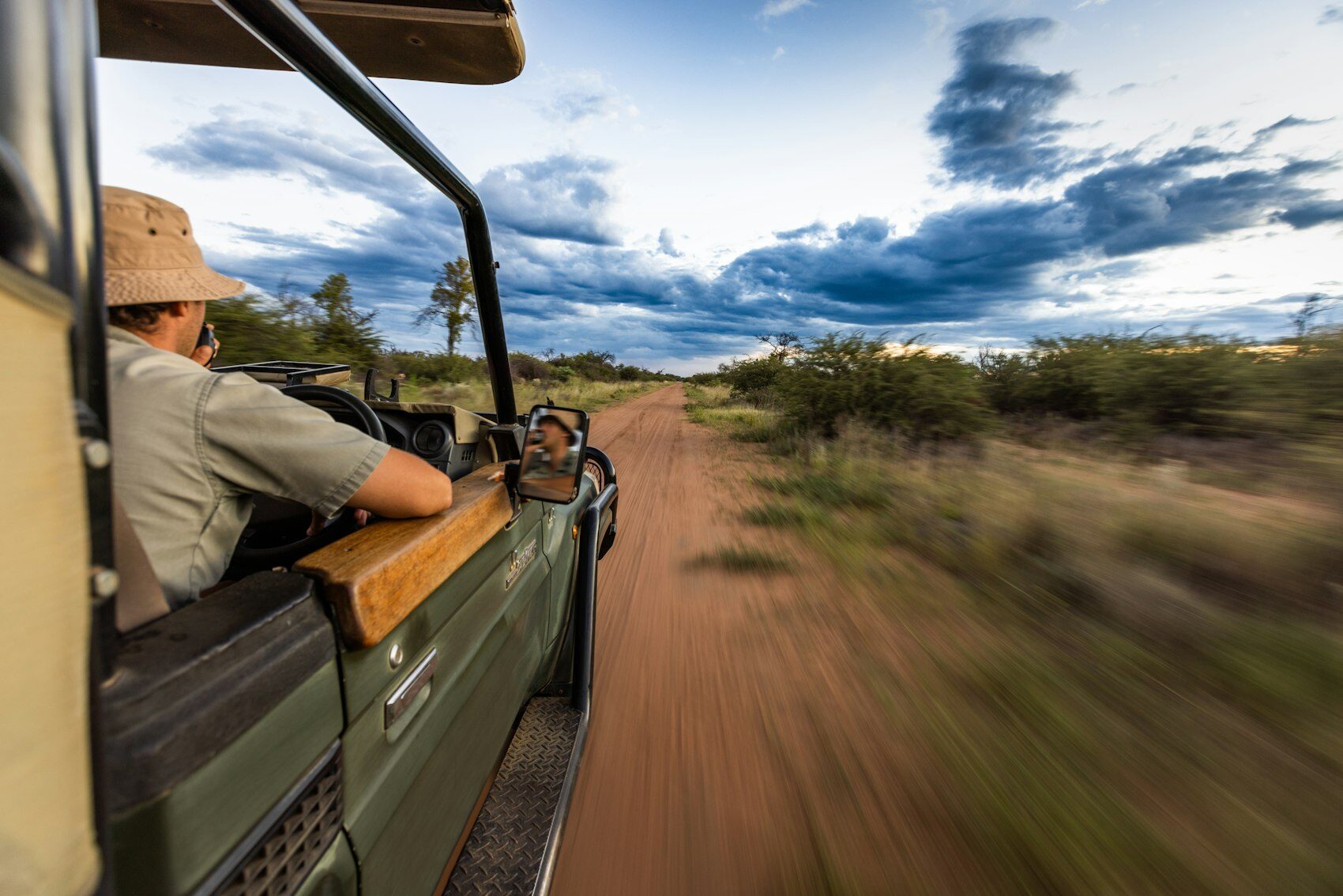
An open vehicle at dawn is genuinely cold, so pack warm layers. Good binoculars change a trip more than any other item, and bring the right plug adapter.
A hunting safari involves more moving parts than a beach holiday — seasons, regions, visas, health precautions and logistics all matter. Here’s what we tell every guest before they book a South Africa or Zimbabwe safari with us.
Three pages of the things worth knowing before you fly — the seasons, the days themselves, and what to bring.
 1
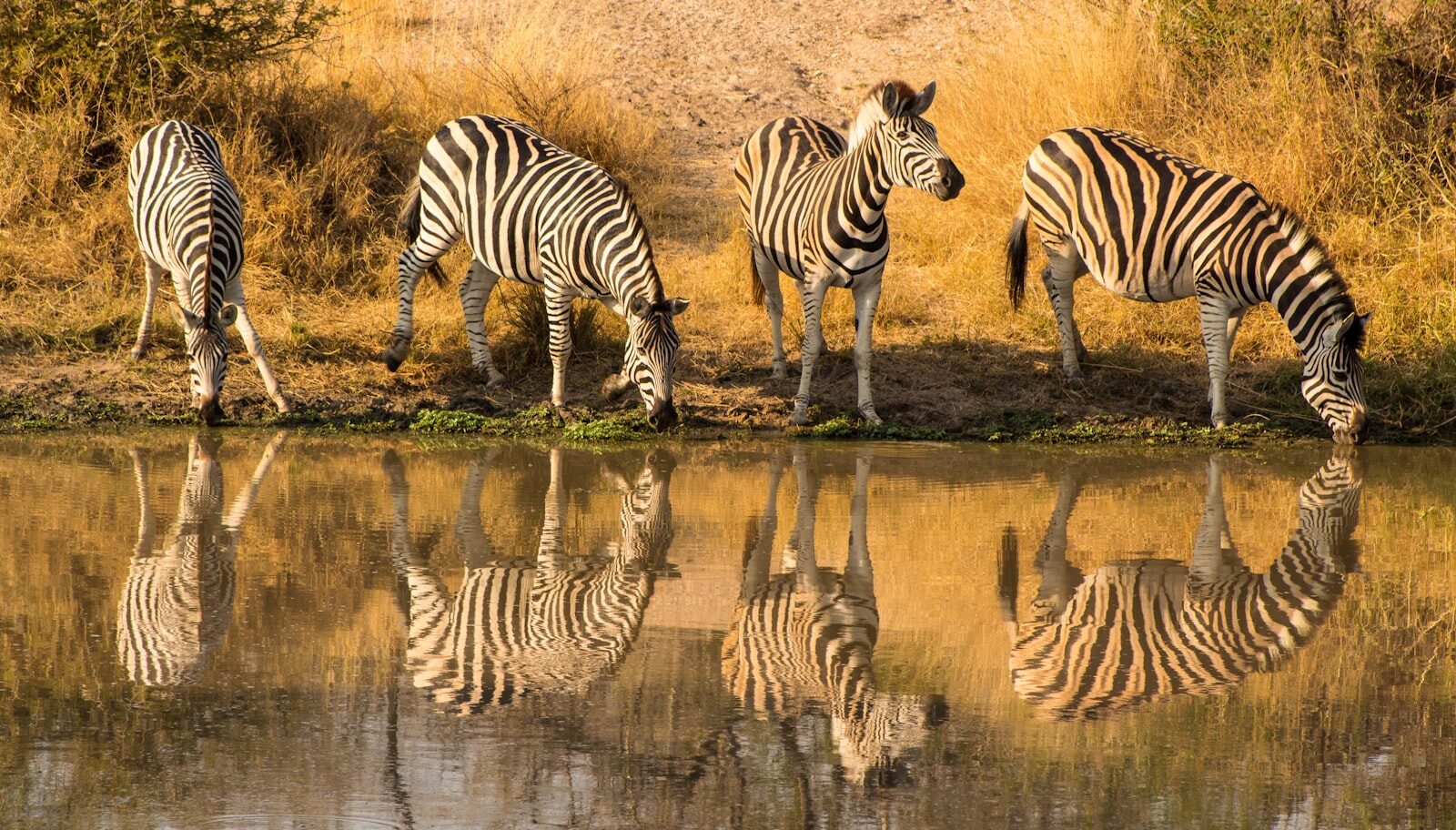
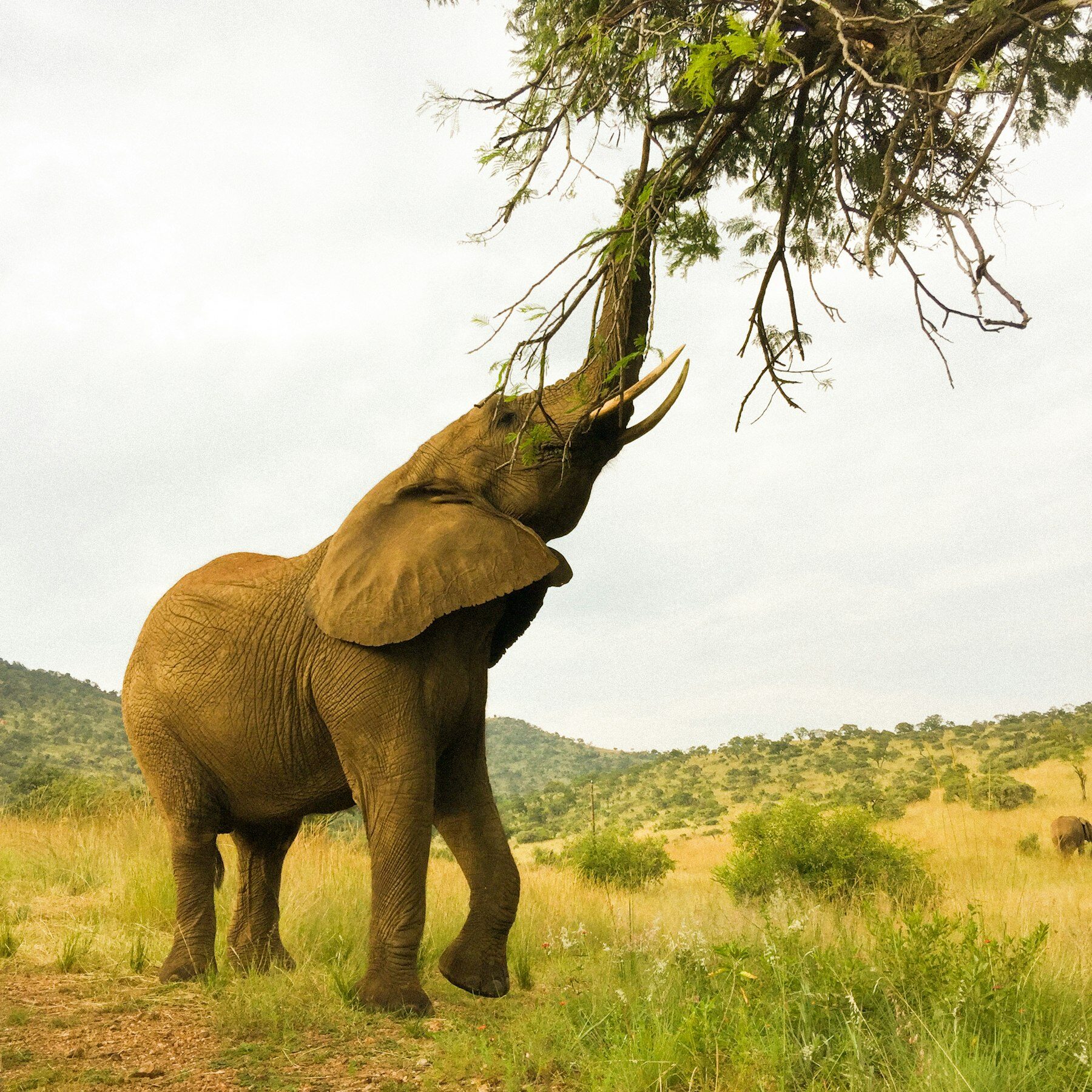
The dry winter months are the easiest time to see game, and they fall inside the mid-February to mid-July hunting season. The grass is short, the bush thins out, and animals concentrate around what water is left, so sightings come without much hunting for them.
Summer brings the rain, thick green cover and the migrant birds, along with hotter days. It is beautiful country in that season, but you work harder for every sighting.
2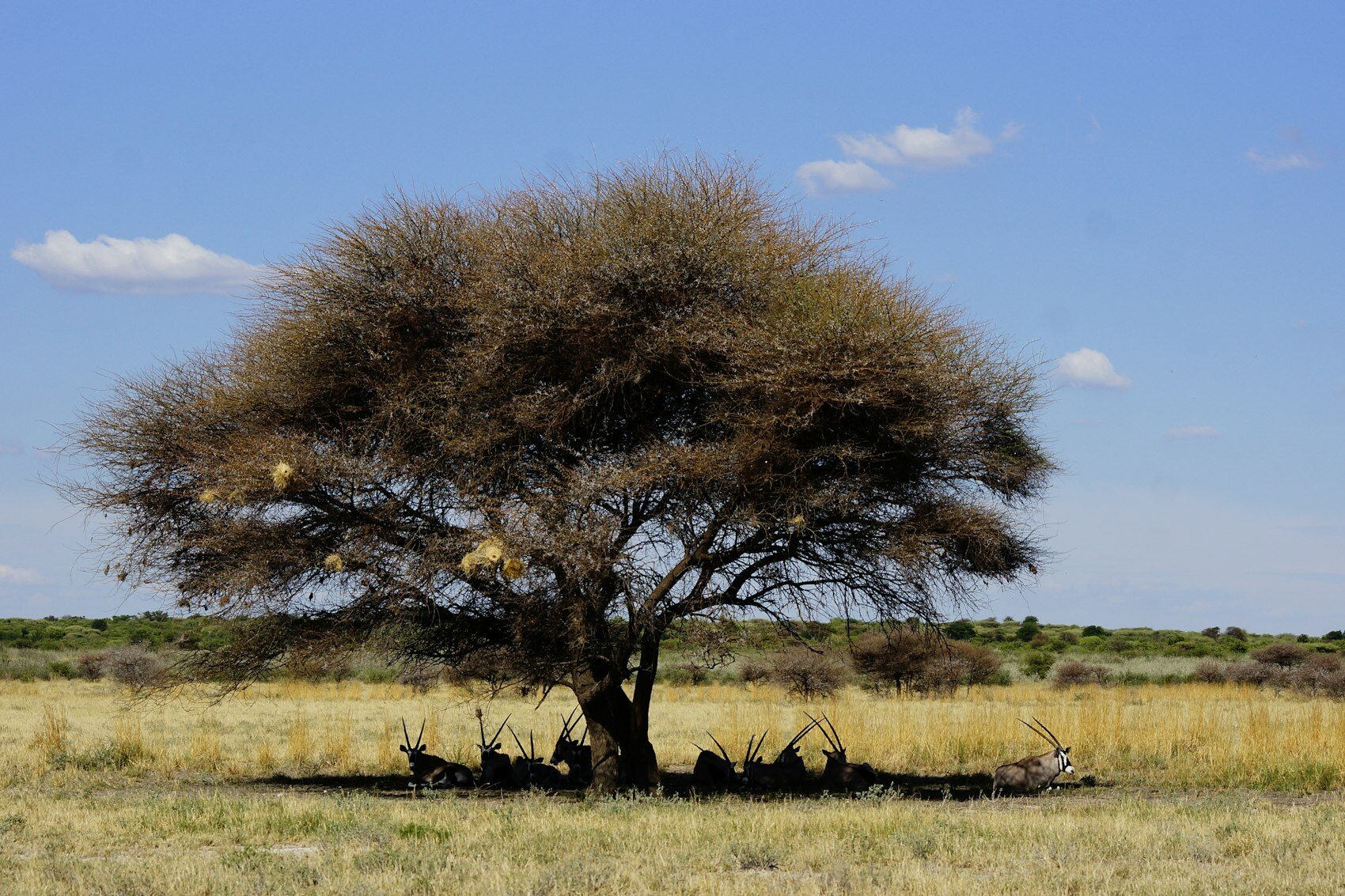 3
Days run to the animals’ clock rather than yours. You are up before first light, out while it is cool and everything is moving, back through the heat of the middle of the day, then out again as the light softens.
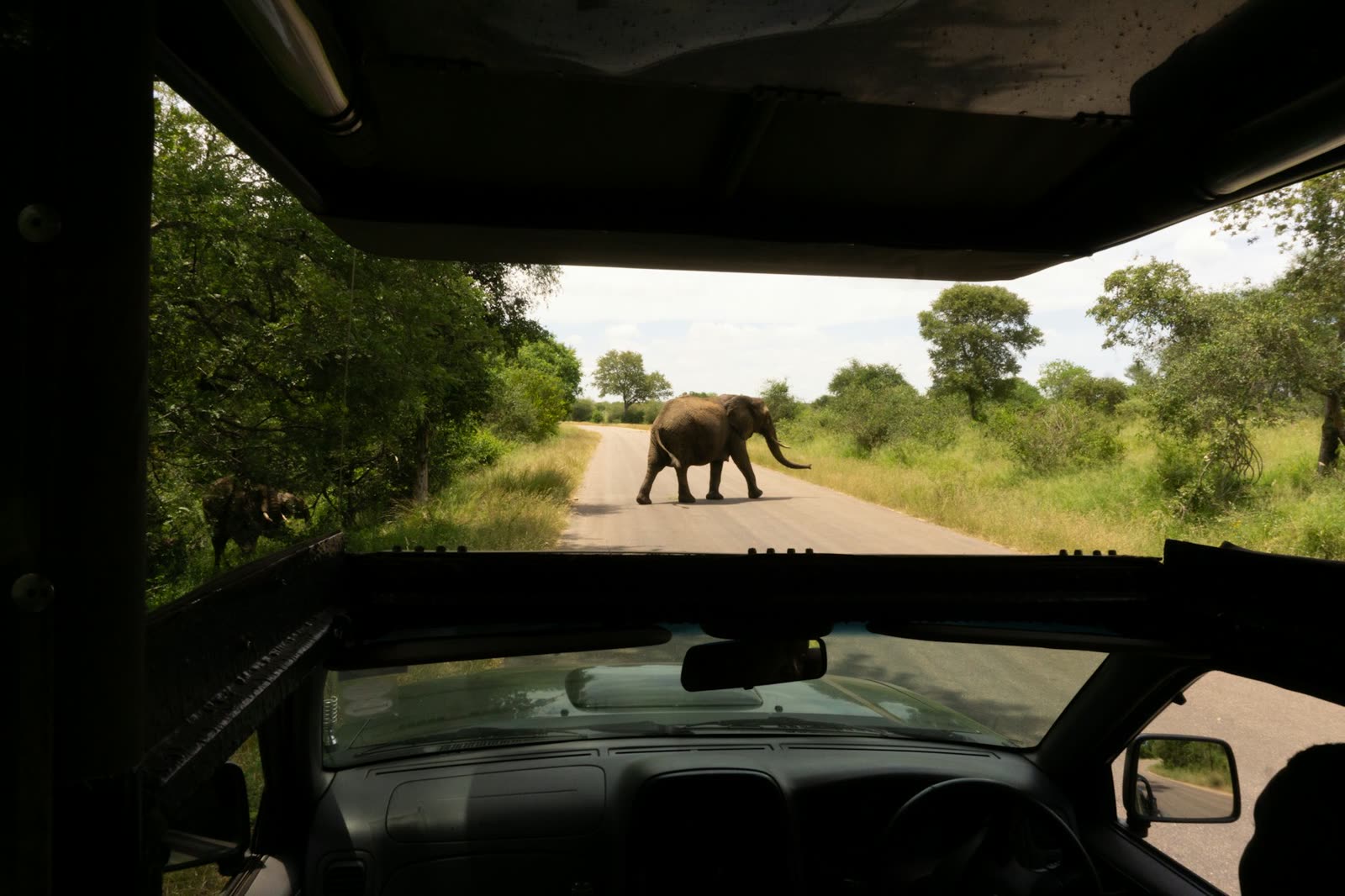
Bring something warm for that first hour. An open vehicle at dawn is genuinely cold, however warm the afternoon turns.
4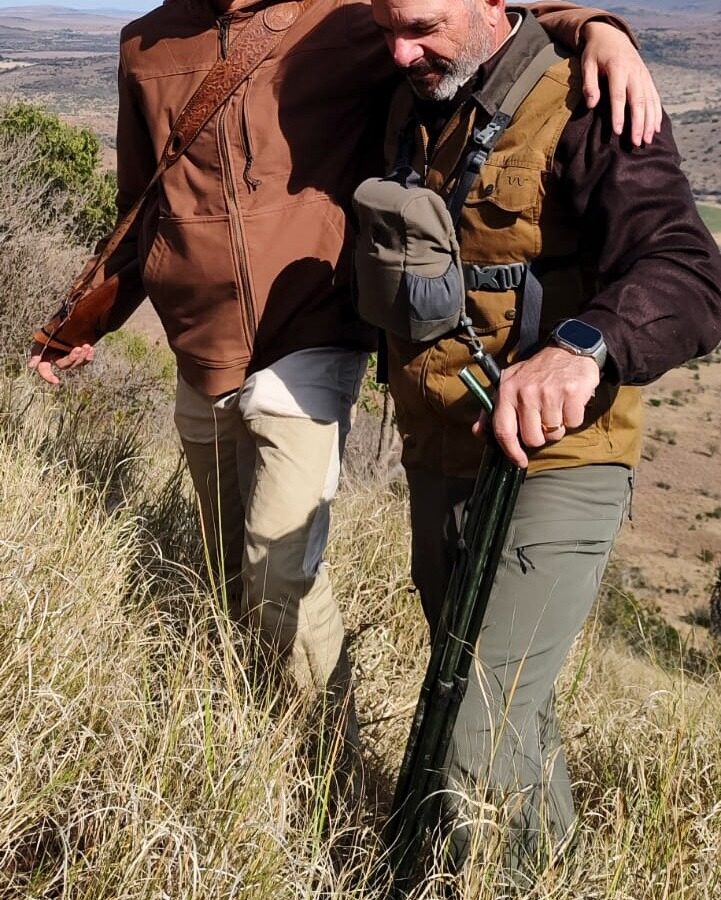 5
Pack neutral colours — khaki, olive, brown, grey. Layers matter more than heavy clothing, because the swing between dawn and mid-afternoon is wide.
A decent pair of binoculars will change your trip more than any other single item, and a longer lens earns its space in the bag. Plug points are South Africa’s own three-round-pin type, so bring the right adapter.
6
Anthony hunts the Eastern Cape, Limpopo and the Karoo from mid-February to mid-July. As the season runs on, vegetation thins out and water becomes scarce and predictable, so game concentrates around waterholes, tracking is easier on bare ground, and animals move more during daylight.
Ask us how the ground is looking for the dates you have in mind — Anthony is out in it and will tell you honestly what to expect rather than quote you an average.
Plan a hunt inside that window. Mornings and evenings in the bush can be cold whatever time of year you come, so warm layers are worth packing.
Anthony personally conducts hunting safaris in South Africa from mid-February to around mid-July. The rest of the year he is based on Nosy Be, Madagascar.
Book your hunt inside this window to be guided by Anthony in person.
Plan your hunt →Anthony moves to Nosy Be around mid-July, so a hunt followed by island time lines up naturally.
Add Nosy Be →Holidays, tours and fishing on the island. Ask us about South Africa plans for these months.
Ask about your dates →Cyclone season on the island. A good time to look at the start of hunting season instead.
Nosy Be travel tips →A hunting safari — rifle permits, private properties, trackers and accommodation all lining up — isn’t something you can tick through an online cart, so we don’t try to force it into one. Instead, every trip is built around you from the first message.
Tell us your dates, group size and what you’re hoping to hunt — a specific species, a mixed plains game safari, or game drives on your spare days. We work out regions, properties and logistics together, so your itinerary matches the season and species you’re after. You’ll get a full, line-itemed quote to review before anything is booked, and once you confirm, we handle the arrangements from there.
Most safaris start with an international flight into Johannesburg or Cape Town, followed by a short domestic connection.
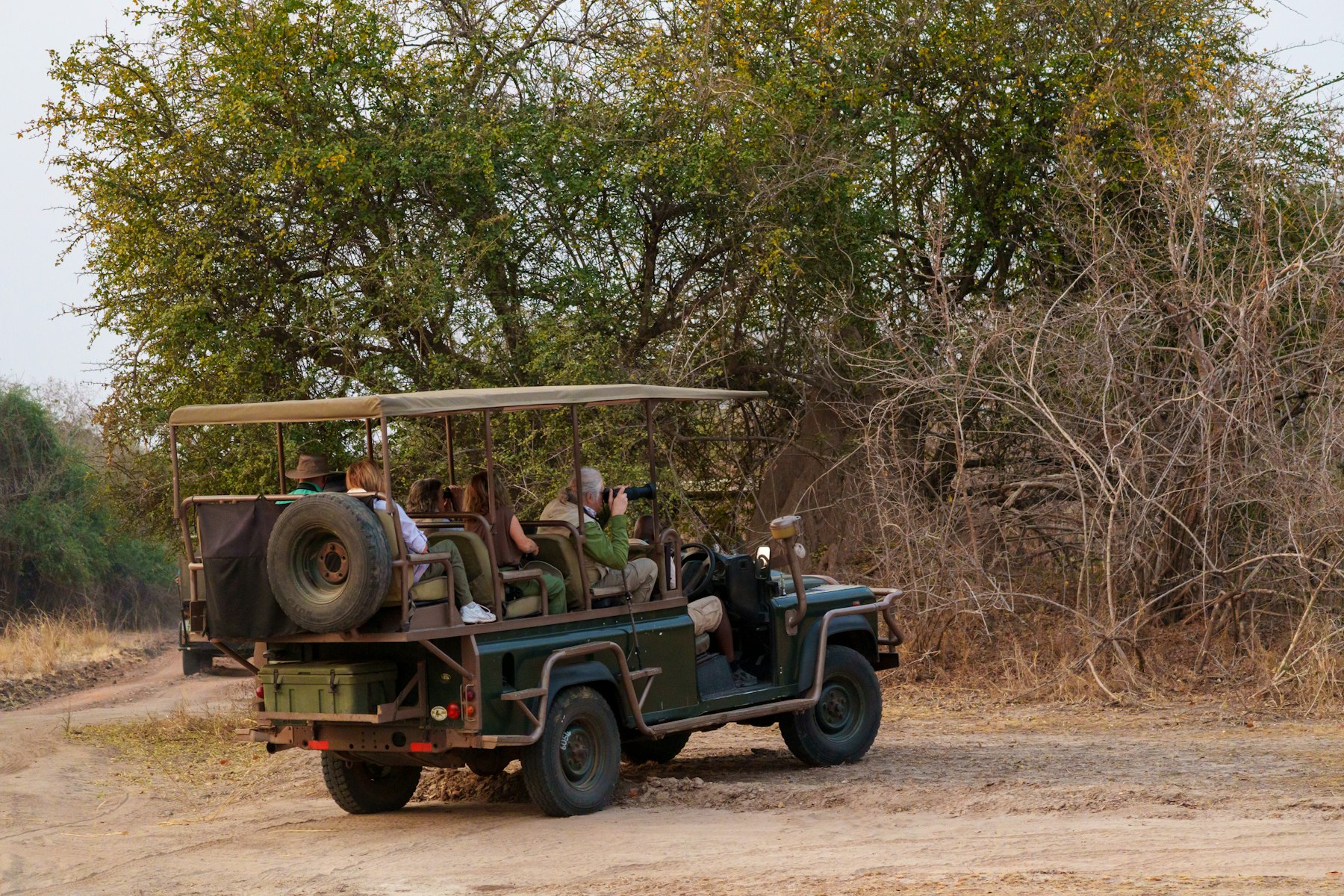
International guests typically fly into O.R. Tambo International Airport in Johannesburg, then connect on to Gqeberha (Port Elizabeth) or East London for properties in the Eastern Cape, or on to Polokwane for Limpopo bushveld hunts. Safaris into Zimbabwe usually route through Johannesburg or Victoria Falls. We coordinate pickup from your arrival airport, so you’re not left working out transfers on your own.
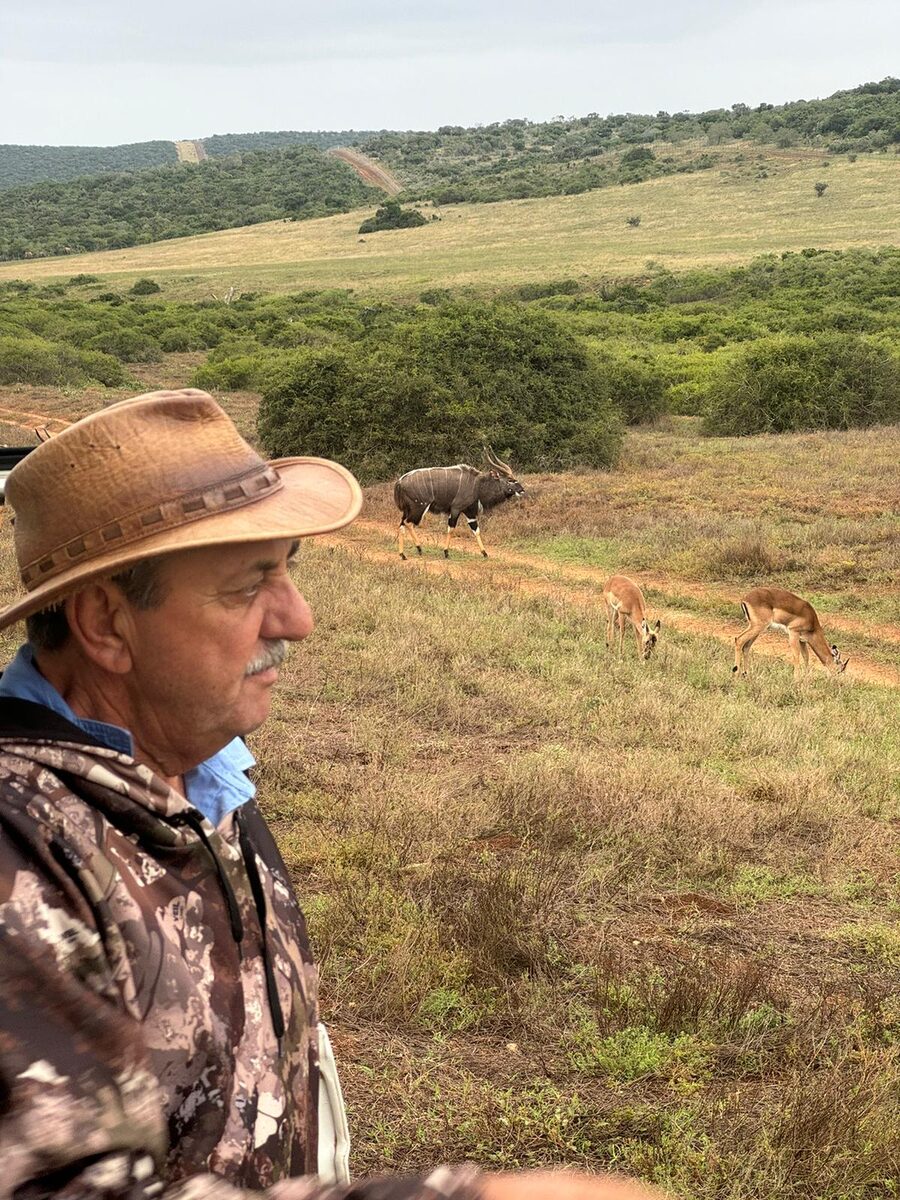
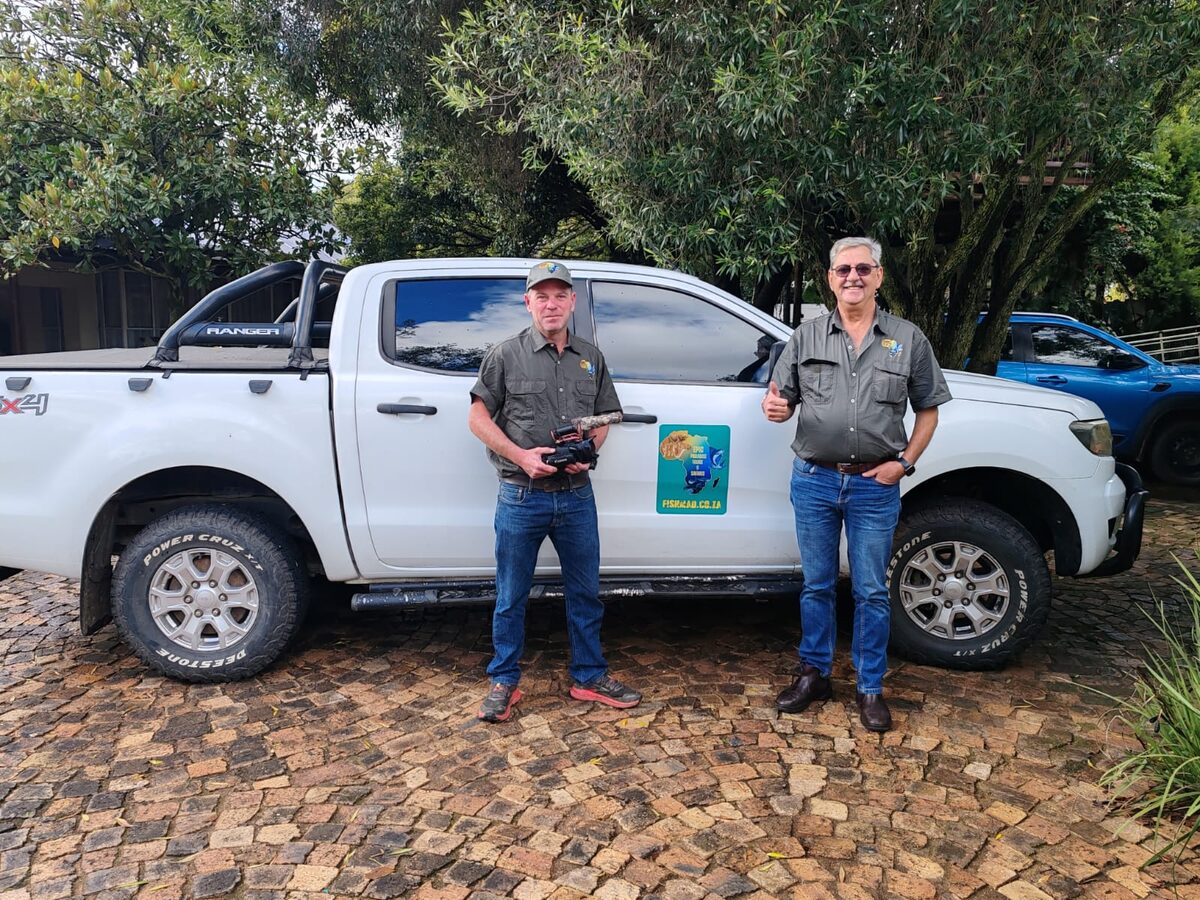
Travellers from the USA, UK, Canada, Australia, New Zealand and most EU countries do not need a visa for tourism stays of up to 90 days — just a passport valid for at least 30 days beyond your departure date, with two consecutive blank pages, and a return or onward ticket. South Africa also requires a digital Traveller Declaration, completed online within 24 hours of arrival or departure.
Malaria is not present in the Eastern Cape or Karoo, where most of our hunting takes place. It is a risk in parts of Limpopo near the Zimbabwe and Mozambique borders, and across much of Zimbabwe itself, particularly during the warmer, wetter months from October to May — if your itinerary includes these areas, speak to your doctor about antimalarial medication before you travel.
South Africa uses the Rand (ZAR), and card payments are widely accepted in towns and lodges, though it’s worth carrying some cash for tips and rural stops. Power sockets are Type M (and increasingly Type N), running at 230V — pack an adaptor if you’re travelling from outside Southern Africa.
Now that you know how the seasons, the regions and the travel work, the rest is ours to arrange — airport pickup, accommodation, guiding, permits and trophy export.
Tell us your dates and your party, and we will come back with a real plan rather than a brochure package.
You have the seasons and the travel worked out. Send us the dates and we will handle the rest.
Rough dates and who is coming is enough to start. No lengthy booking form, no card details.
If the days you have will not cover it, we say so up front and adjust rather than take the booking and disappoint you.
Nothing sold off a shelf. Priced against your dates, group and interests — in USD, Euro or ZAR.
Land-based four to sixteen, live-aboard six to eight, big-game fishing four to five. Never a crowd.
Ask On WhatsApp Request A Quote
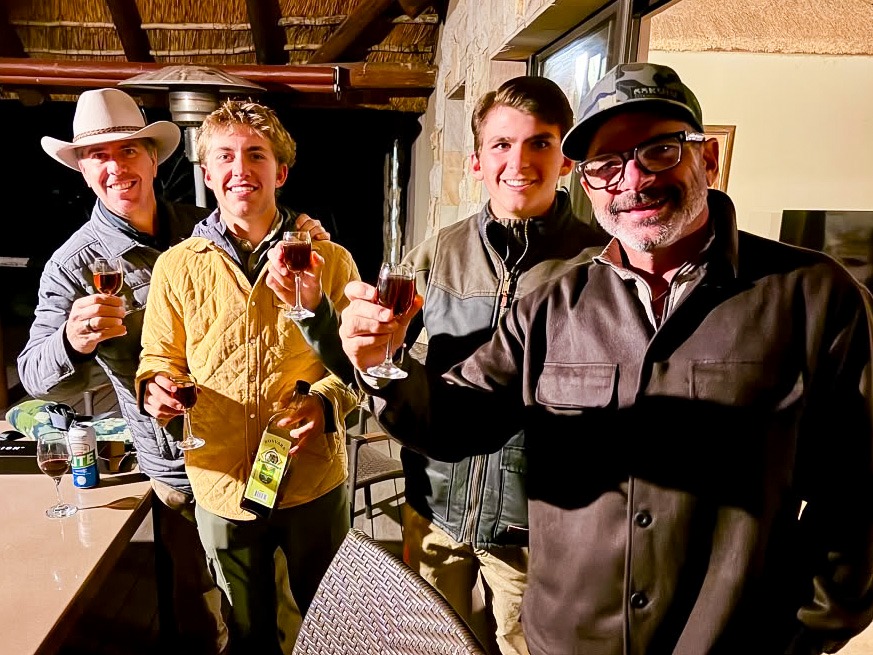
Evenings with the people you travelled with.
Most nationalities, including the USA, UK, Canada, Australia, New Zealand and most EU countries, do not need a visa for tourism stays of up to 90 days.
No — the Eastern Cape and Karoo, where most of our hunts take place, are malaria-free. It is only a risk in parts of Limpopo near the Zimbabwe and Mozambique borders, and in Zimbabwe itself.
Anthony runs hunting safaris in South Africa from mid-February to mid-July. The later months, heading into winter, bring thinner vegetation and easier tracking.
Most guests fly into O.R. Tambo International Airport in Johannesburg, then connect on to Gqeberha, East London or Polokwane depending on the region, or on to Johannesburg or Victoria Falls for Zimbabwe.
The South African Rand (ZAR). Card payments are widely accepted, though it is worth carrying some cash for tips and rural stops.
Yes — South Africa uses Type M and Type N plug sockets at 230V, so bring an adaptor if you are travelling from outside Southern Africa.
Come and discover the wild beauty, culture, adventure and hospitality of Africa — and create stories you will tell for years to come.
Start Planning“Live life to the fullest; tomorrow may never come.”
We respect your privacy under South Africa’s POPIA. This site does not use advertising cookies. With your permission we use Google Analytics to see which pages are useful; otherwise it uses only what it needs to work and stay secure, plus a few trusted services (Google Fonts, Cloudflare security, and on our Contact page the tools that check phone numbers and dates). Choose what you are happy with — you can change it any time under “Privacy settings” at the foot of every page. Read our Privacy Notice.
Keeps the site working and secure (Cloudflare) and remembers this privacy choice. These cannot be switched off.
Google Analytics shows us which pages are useful and how visitors find us. It sets cookies (_ga) and only runs if you allow this.
Would allow advertising or social-media tracking. We do not use any at present; if we ever do, they only run if you allow this.