
Flights, Visas And Seasons For Nosy Be.
Nosy Be has its own international airport, Fascene, and every route below ends there. Please read this before you book any flights: the connections only run on certain days, and a missed leg can cost you most of a week on the island. Coming from a hunt? See the South Africa flight map, or all our travel tips.
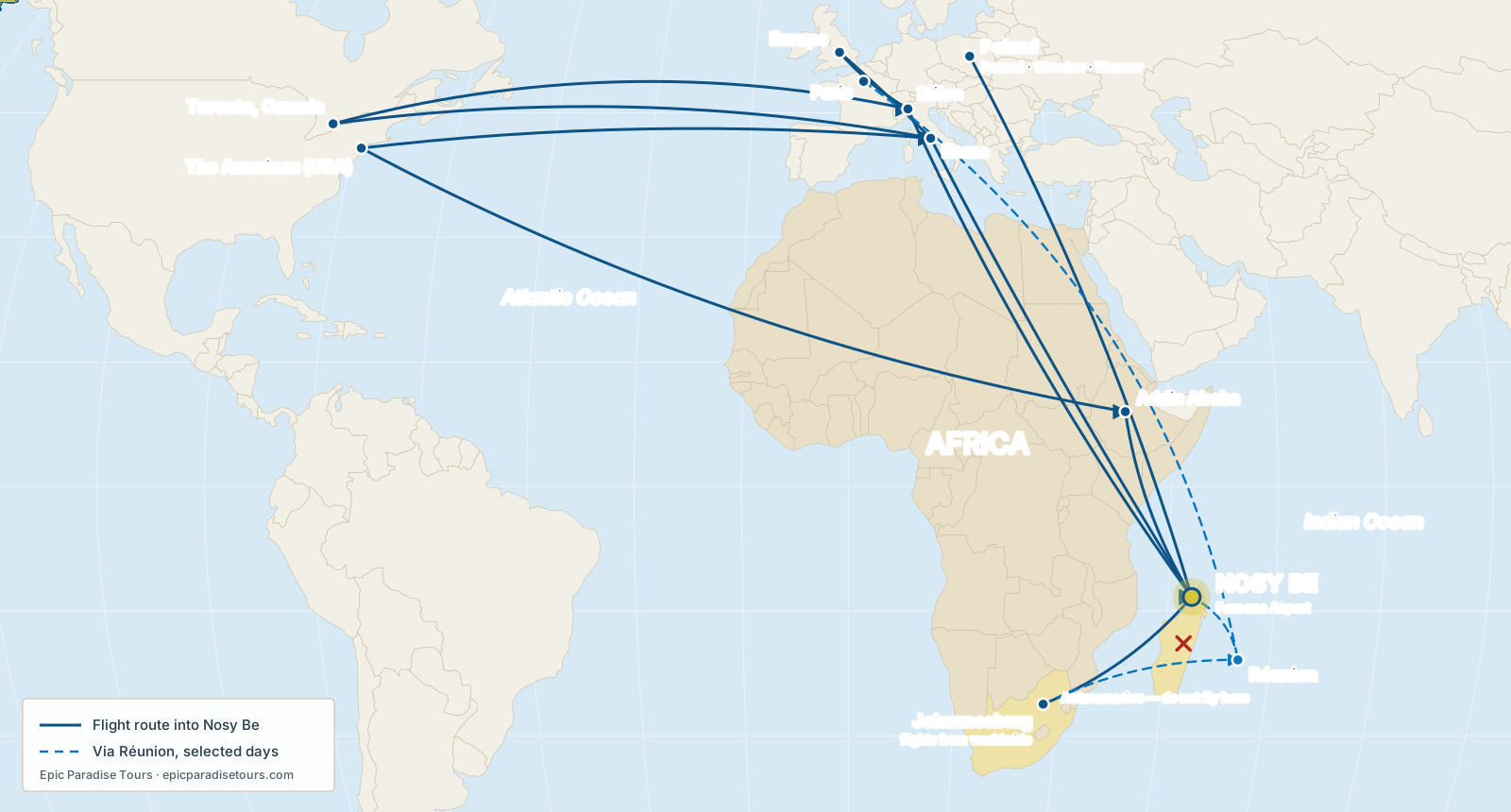
Any airline you like for the long-haul leg.
Air France, Air Austral or Air Neos.
SA Airlink, Ethiopian Airlines or Air Austral.
Any airline to Johannesburg or Addis Ababa. From Johannesburg to Nosy Be fly SA Airlink; from Addis Ababa fly Ethiopian Airlines.
Any other accommodation and flights en route are for your own account. Visas are issued on arrival at Fascene Airport for €35, valid for 30 days — have cash ready in small denominations. You must have your own travel and medical insurance in place.
Bookings from South Africa run from a Tuesday to a Tuesday, matching the direct SA Airlink flight. Tours are offered from 1 April to mid-January; there are no tours from mid-January to the end of March, the cyclone and rainy season. Best times for wildlife: humpback whales in August and September, whale sharks in October and November, peak billfish in August and September, and scuba diving from April to November.
The practical side of a Nosy Be trip, answered from our own travel information.
Do not fly to Antananarivo on the mainland. From Johannesburg, SA Airlink flies direct early on Tuesday mornings; from Europe there are flights via Milan on Monday nights and Rome on Tuesday nights; from the Americas via Addis Ababa every day except Monday. See all nine routes and the map.
Visas are issued at Fascene Airport on arrival for €35, valid for 30 days — bring cash in small denominations. Your own travel and medical insurance is essential.
Tours run from 1 April to mid-January, with no tours from mid-January to the end of March. Northern Hemisphere guests come in their winter; Southern Hemisphere guests from mid-July.
Bookings from South Africa run from a Tuesday to a Tuesday, matching the direct SA Airlink flight. Accommodation and flights en route are for your own account.
Nosy Be is an easy island to plan a trip around once you know a few practical details — when to go, how to get there, and what happens between your first enquiry and stepping off the plane. Here’s what we tell every guest before they book.
Three pages on the island itself — the seasons that shape it, the pace of a day, and what makes it unlike anywhere else.
 1
Tours run from 1 April to mid-January. From mid-January to the end of March it is cyclone and rainy season, and no tours run.
Nosy Be sits in the north-west, and the island is large enough that conditions differ sharply from one end to the other — what is true in the highlands is not true on the coast.
2 3
Boats leave early, when the water is flattest, and the middle of the day belongs to shade. Distances that look short on a map take longer than you expect, and the roads are part of the experience rather than a means to an end.
Take the unhurried pace as it comes. Trying to compress an island week into a schedule is the one reliable way to spoil it.
4 5
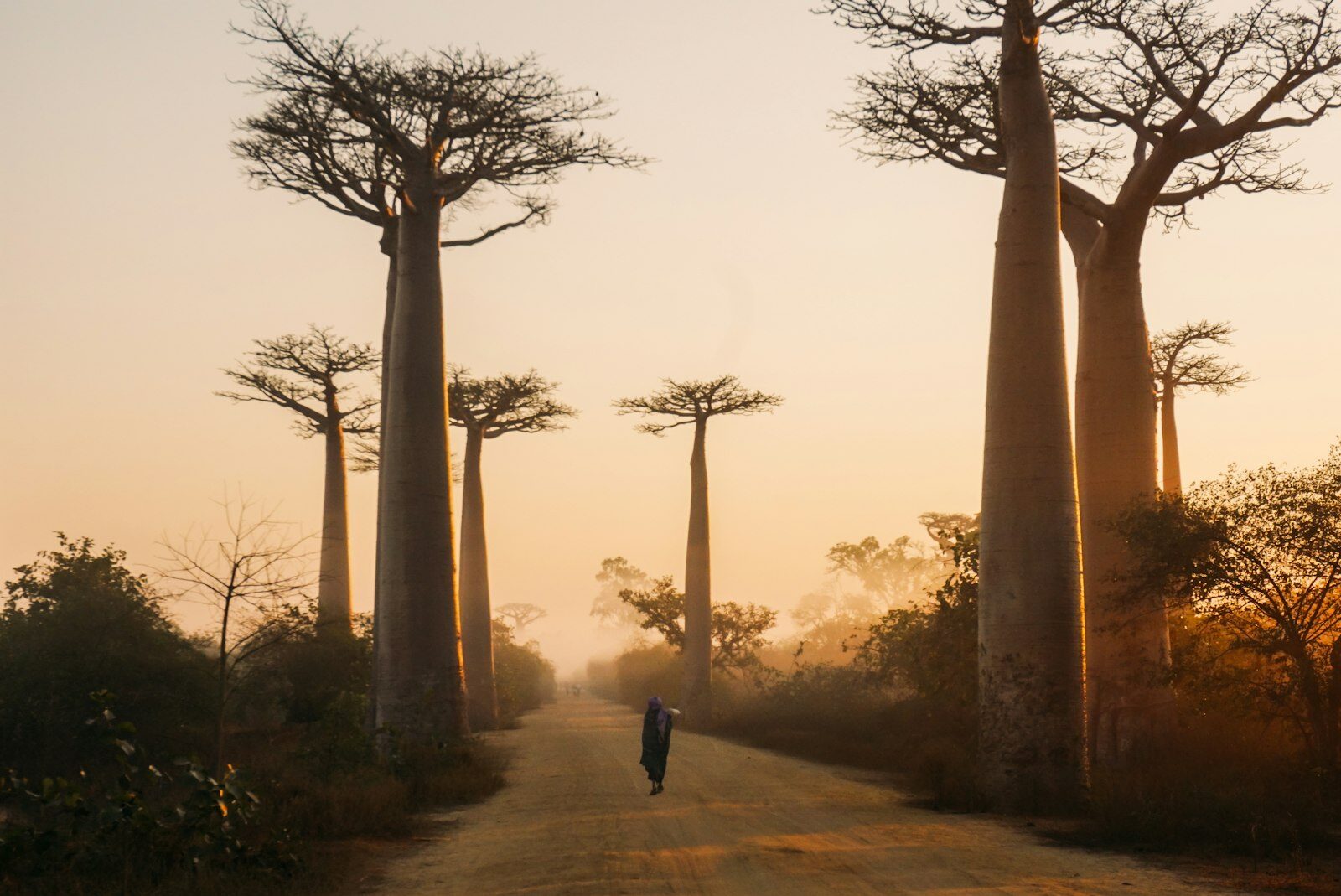
Madagascar broke away from the mainland long enough ago that much of what lives there evolved in isolation — the lemurs, the chameleons and the baobabs among them exist nowhere else on earth.
Malagasy and French are the working languages, and a few words of either are met warmly. Cash still runs most of daily life outside the larger hotels, so plan for it.
6
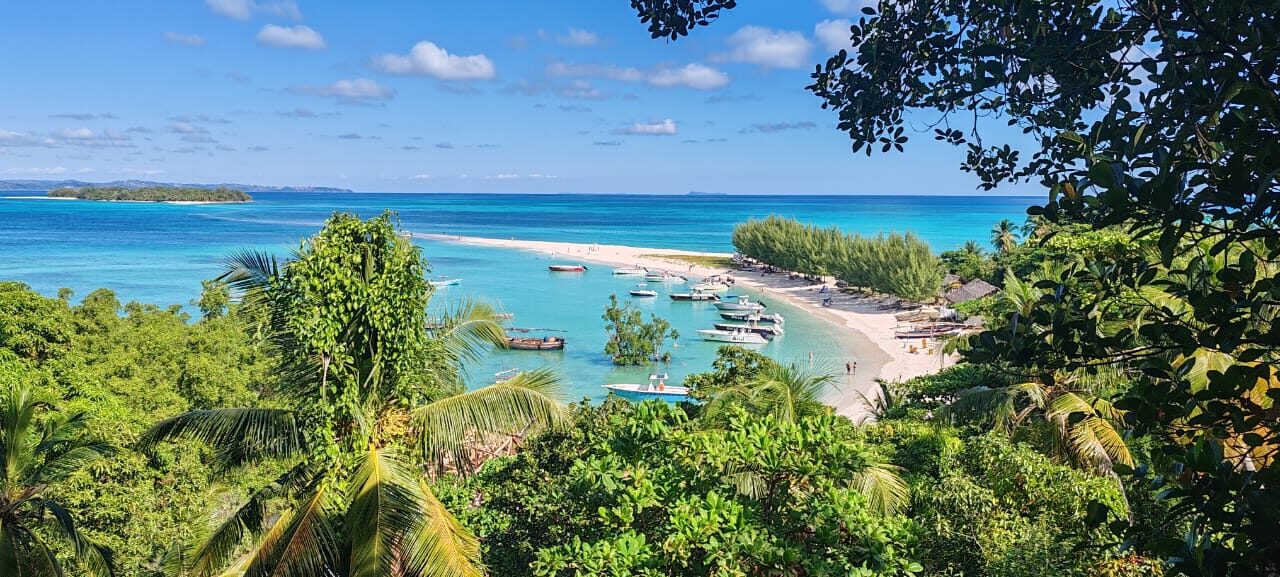
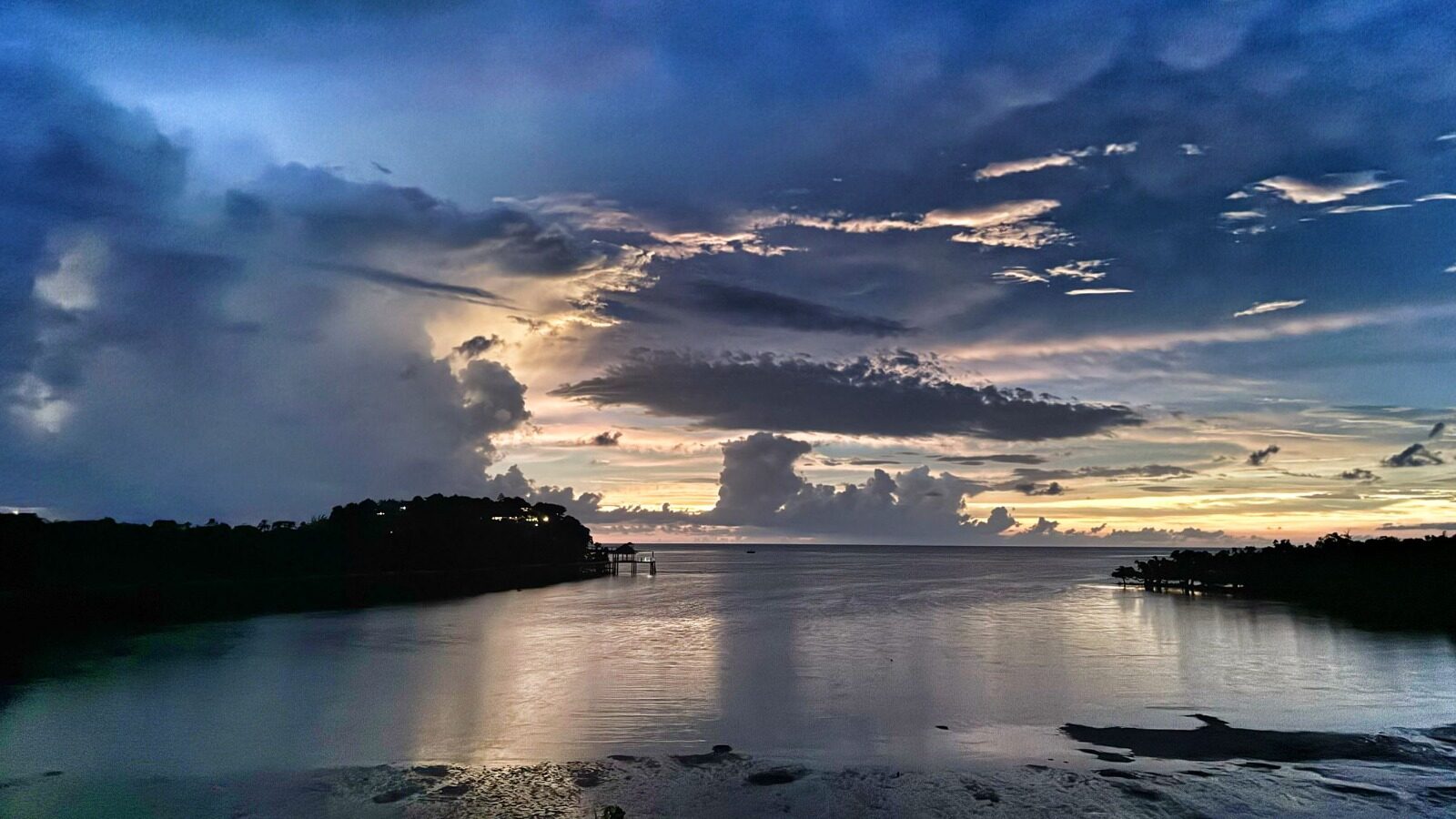
Nosy Be enjoys a tropical climate with warm temperatures year-round, and the sea stays inviting for swimming throughout the year. Tours run from 1 April to mid-January, and scuba diving from April to November — the window for beach days, snorkelling, diving and wildlife excursions.
No tours run from mid-January to the end of March: that is the cyclone and rainy season, when seas get rougher, diving visibility drops and roads can flood and disrupt excursions.
As a simple guide: if you live in the Northern Hemisphere, come in your winter; if you live in the Southern Hemisphere, the ideal window is generally mid-July to mid-January.
Anthony guides hunting safaris in South Africa until around mid-July, then is based on Nosy Be through to 15 January. Plan your island dates around that and the closure.
Holidays, tours, fishing and island experiences are offered through this window.
Nosy Be holidays →Anthony is based on Nosy Be, running holidays, tours and fishing excursions himself.
Fishing with Anthony →Northern Hemisphere: come in your winter. Southern Hemisphere: generally mid-July to mid-January.
Check your dates →Cyclone season on Nosy Be. Plan your island holiday outside this period.
What to do in season →Some of our excursions depend on the month you travel. Book around these if they matter to you.
A trip like this — international flights, boats, guides and accommodation all lining up — isn’t something you can tick through an online cart, so we don’t try to force it into one. Instead, every trip is built around you from the first message.
Tell us your dates, group size and what you’re chasing — a specific species, a live-aboard week, or simply an island holiday. We work out flights, accommodation and charters together, so your arrival lines up with your first day on the water rather than a day lost to travel. You’ll get a full, line-itemed itinerary to review before anything is booked, and once you confirm, we handle the logistics from there.
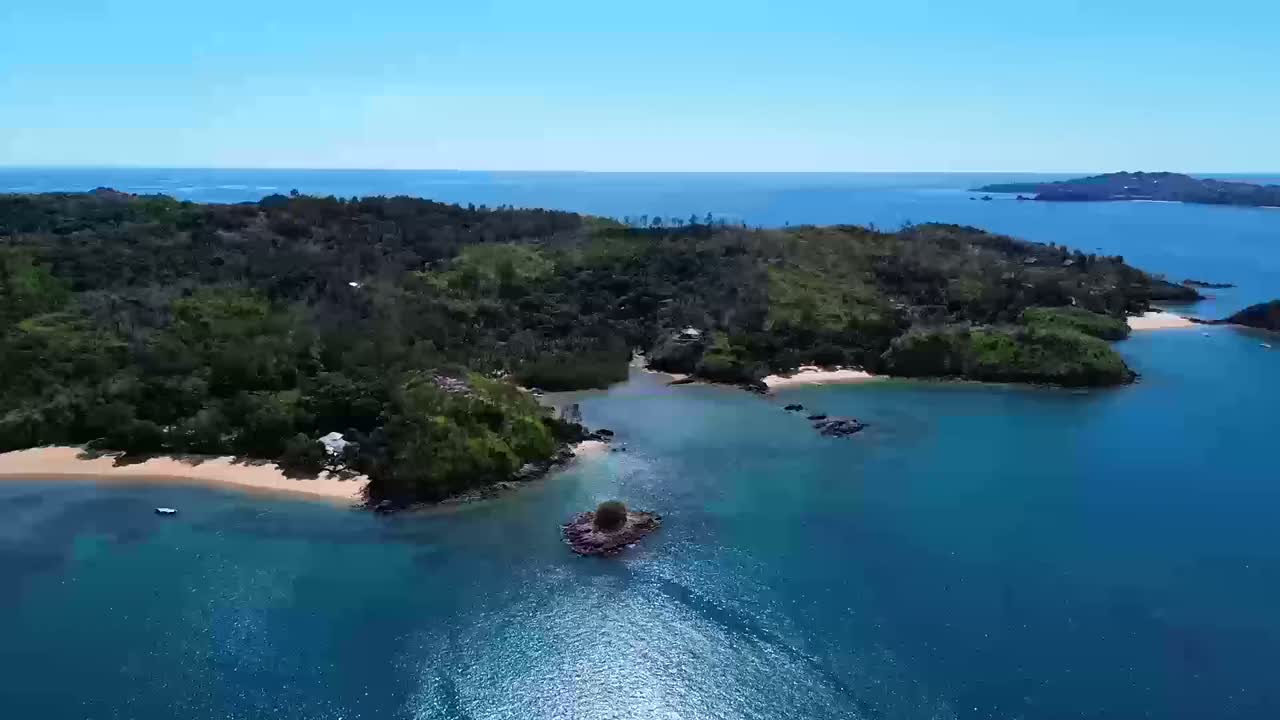
Nosy Be has its own airport, so wherever you’re flying from, the last leg is a direct flight in rather than a long transfer across the mainland.
South African travellers fly SA Airlink direct from Johannesburg, early on Tuesday mornings. From Europe, direct overnight flights run into Nosy Be from Milan (Monday nights) and Rome (Tuesday nights) on Air Neos, with a Sunday service from Poland alternating between Poznan, Wroclaw and Warsaw. Travellers from the Americas typically route via Rome or Addis Ababa, and Canadian guests connect through Milan or Rome. One rule that applies everywhere: don’t fly into Antananarivo on the Madagascar mainland — it isn’t the way in for Nosy Be, and every connecting flight needs to land in time to catch the onward leg.
A visa is issued on arrival at Fascene Airport for €35 (30 days) — bring cash in small denominations. Your own travel and medical insurance is essential, and if you’re booking from South Africa, note that trips run on a fixed Tuesday-to-Tuesday week.
Flights, visas, seasons and timing all sorted in your head? Send us the dates and we will handle the rest — transfers, accommodation, the boat, the excursions and everything in between.
Every trip is built and quoted individually, so tell us what you actually want out of it.
Flights, visas and seasons sorted in your head? Send the dates and we will take it from there.
Rough dates and who is coming is enough to start. No lengthy booking form, no card details.
If the days you have will not cover it, we say so up front and adjust rather than take the booking and disappoint you.
Nothing sold off a shelf. Priced against your dates, group and interests — in USD, Euro or ZAR.
Ask On WhatsApp Request A Quote
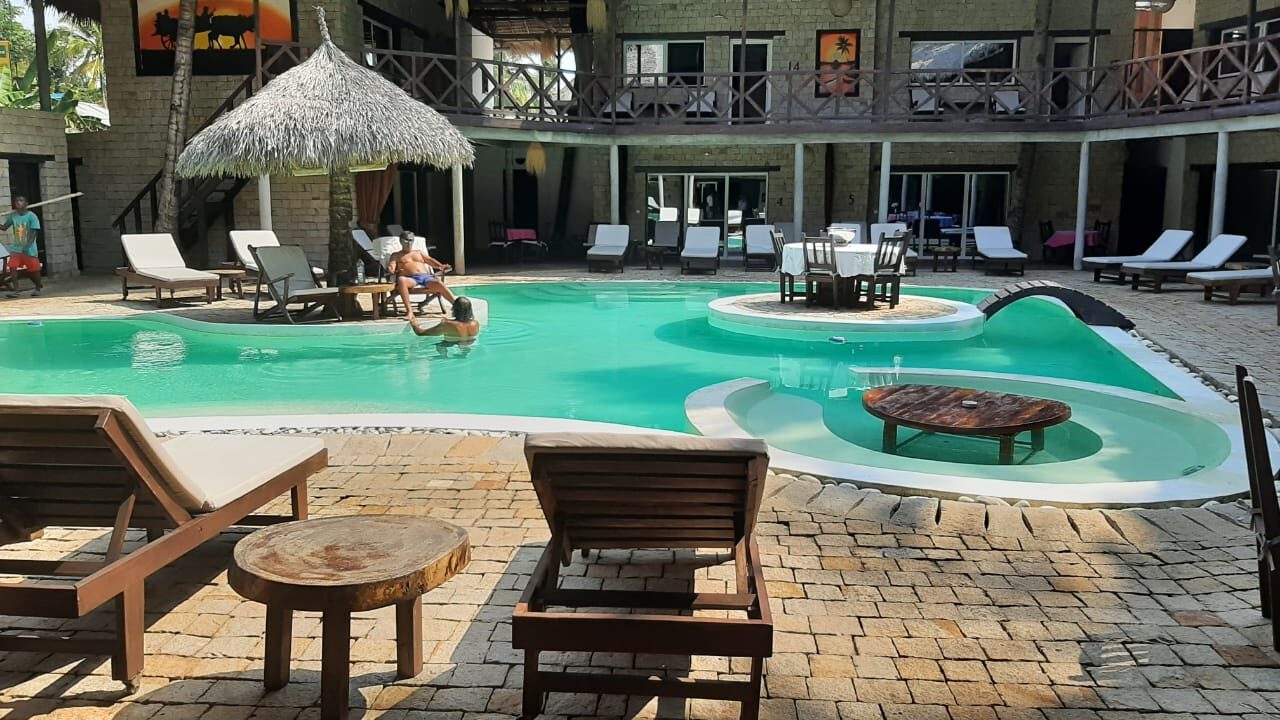
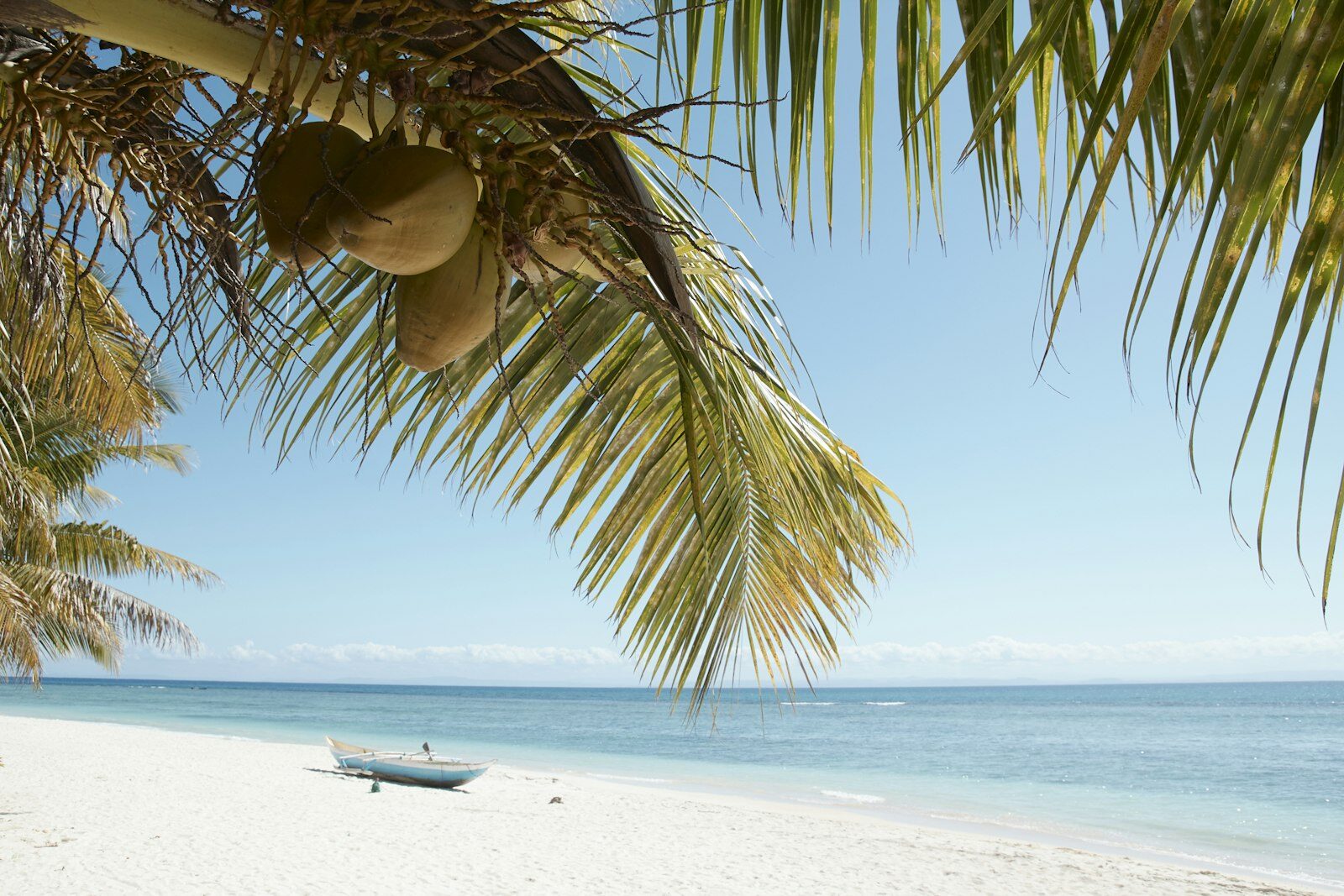
A resort pool waiting at the other end of the flight.
Fascene Airport on Nosy Be. Do not fly to Antananarivo, which is on the Madagascar mainland, and make sure every earlier flight lands in time for the connection.
A visa is issued on arrival at Fascene Airport for 35 euro, valid for 30 days. Bring cash in small denominations.
Tours run from 1 April to mid-January. There are no tours from mid-January to the end of March, the cyclone and rainy season.
Bookings from South Africa match the direct SA Airlink flight from Johannesburg, which lands early on Tuesday mornings.
Humpback whales in August and September, whale sharks in October and November, peak billfish in August and September, and scuba diving from April to November.
Yes. Your own travel and medical insurance is essential, and any other accommodation and flights en route are for your own account.
Come and discover the wild beauty, culture, adventure and hospitality of Africa — and create stories you will tell for years to come.
Start Planning“Live life to the fullest; tomorrow may never come.”
We respect your privacy under South Africa’s POPIA. This site does not use advertising cookies. With your permission we use Google Analytics to see which pages are useful; otherwise it uses only what it needs to work and stay secure, plus a few trusted services (Google Fonts, Cloudflare security, and on our Contact page the tools that check phone numbers and dates). Choose what you are happy with — you can change it any time under “Privacy settings” at the foot of every page. Read our Privacy Notice.
Keeps the site working and secure (Cloudflare) and remembers this privacy choice. These cannot be switched off.
Google Analytics shows us which pages are useful and how visitors find us. It sets cookies (_ga) and only runs if you allow this.
Would allow advertising or social-media tracking. We do not use any at present; if we ever do, they only run if you allow this.